

When it comes to antibacterial activity, the first thing that comes to mind is bacterial analyzes performed in places suitable for bacterial growth. Biologically, it is certain that the bacteria will multiply rapidly. If these favorable values are suitable, the number of bacteria in the environment begins to increase rapidly. This is a dangerous development for human health. With the antibacterial activity tests carried out in advanced laboratories, the concentration of bacteria in the environment is determined and thus bacteria formation on the surface of the products is prevented.
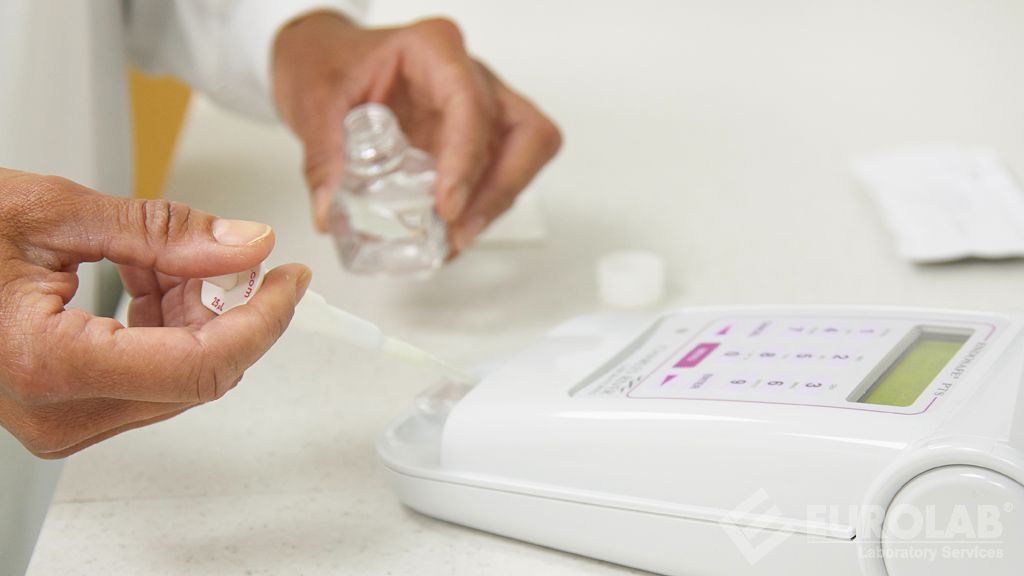
Antimicrobial activity is a common concept for all active substances that inhibit the growth of bacteria, inhibit the formation of microbial colonies and destroy microorganisms.
Methods for evaluating antimicrobial activity, especially in foods, are as old as the existence of disinfectants and antibiotics. For example, the antimicrobial effect of crushed garlic vapors against Escherichia coli and similar bacteria was known in 1936.
Bacteria can live on many different surfaces. Some even have the ability to hover. Therefore, airborne transmission is also possible. Bacteria formation is generally seen on wooden surfaces, glass surfaces, ceramic surfaces, plastic surfaces and door handles.
Bacteria reproduce more in places where human movement is high and at suitable temperatures. The main substance that prevents bacterial growth is disinfectants.
In antibacterial activity tests, the analysis method described in the TS EN 1276 standard is applied and the tests take approximately 10-15 days.
In the test, analysis, measurement and evaluation studies carried out in our organization, national and international standards and applicable legal regulations are complied with and reliable and impartial results are obtained. Among the numerous tests carried out in this context, there are also antibacterial activity testing services.
To get an appointment, to get more detailed information or to request an evaluation, you can ask us to fill in our form and reach you.

