
There are three types of wild-type polioviruses: type 1, type 2, and type 3. To prevent polio, people need to be protected against these three types of viruses. The most effective method of protection here is the polio vaccine. Type 2 wild poliovirus and type 3 wild poliovirus have been eradicated today. Only type 1 wild poliovirus activity remains. Oral polio vaccine or inactivated polio vaccine is used to protect against polio disease.
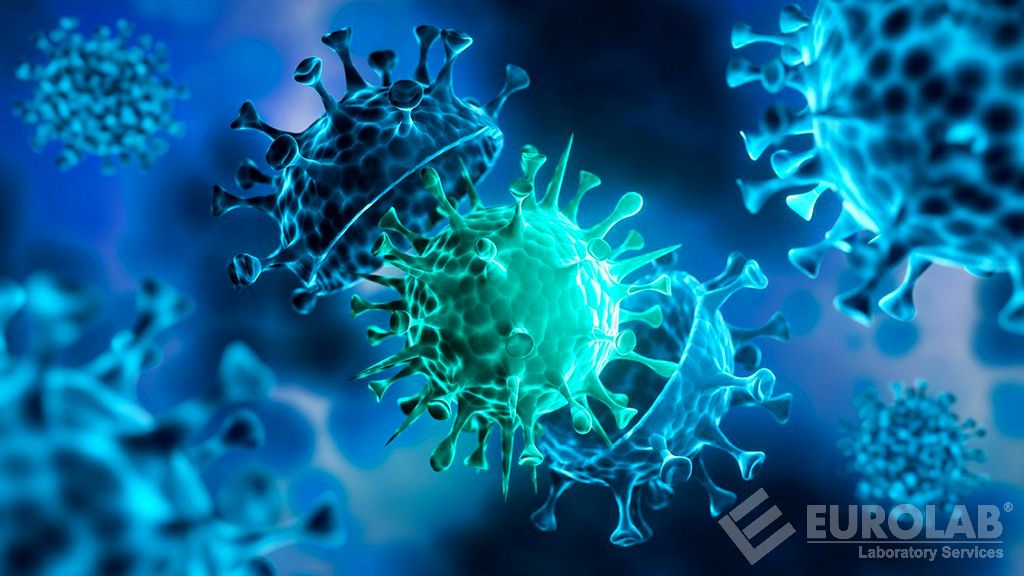
The structure of poliovirus type 1 was determined by X-ray crystallography. Virions are spherical and are about 30 nm in diameter. The naked ribonucleic acid (RNA) genome is surrounded by proteins without a lipid envelope and its infectivity is not affected by organic solvents.
Polio is a highly contagious viral disease that predominantly affects children under the age of five. The virus spreads from person to person by the fecal-oral route, multiplies in the gut, from where it invades the nervous system and causes paralysis.
Polio caused by poliovirus species is usually asymptomatic or develops as a mild febrile illness in early childhood. In older children, adolescents, or adults, the febrile illness is accompanied by damage to cells in the spinal cord.
In the test, analysis, measurement and evaluation studies carried out in our organization, national and international standards and applicable legal regulations are complied with and reliable and impartial results are obtained. Among the numerous tests performed in this context, there are also poliovirus type 1 testing services in virucidal activity tests.
To get an appointment, to get more detailed information or to request an evaluation, you can ask us to fill in our form and reach you.

