
Antimicrobial is used to describe substances that show the ability to reduce the presence of microbes such as bacteria and mold. Antimicrobial technology includes the knowledge, expertise and methods of using additives to create products that are permanently protected against microbes. Many substances such as disinfectants, antibiotics and antimicrobial additives can be defined as antimicrobial.
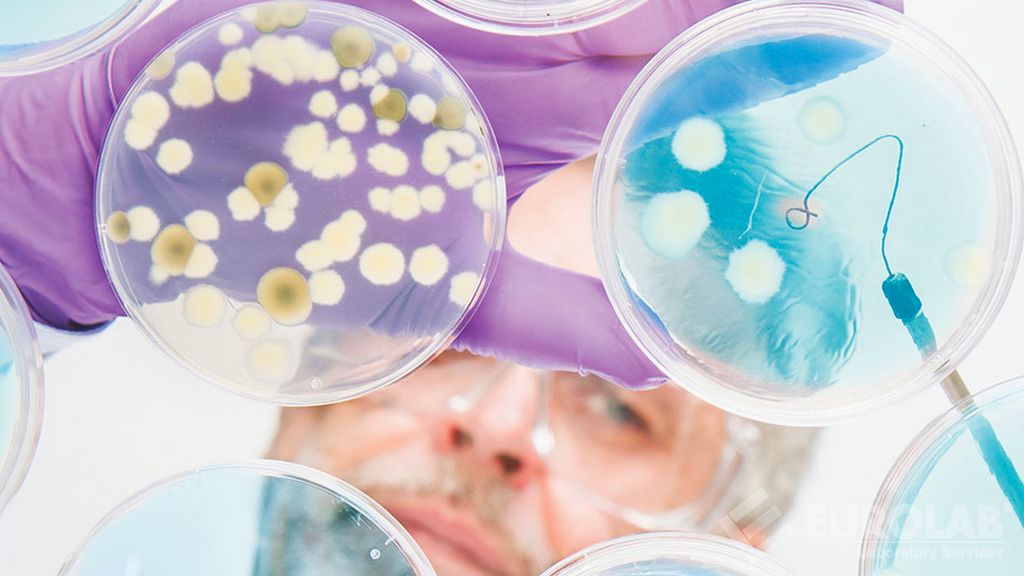
There are four main types of antimicrobial additives available today. They are based on silver ion, copper, zinc and organic technologies. Silver ion antimicrobial additives are suitable for use in a wide variety of materials and applications, such as paints, coatings, textiles and polymers. Zinc antimicrobial additives is a well-known antibacterial and antifungal compound. Copper antimicrobial additives provide antimicrobial protection in protective and hygienic applications and are suitable for substrates such as paints, coatings and polymers. Organic antimicrobial additives include phenolic biocides, quaternary ammonium compounds and fungicides.
While many substances are antimicrobial, they differ in how they function, perform, or withstand. Products that are antimicrobial have an effect on microbes, but the term antimicrobial is not a measure of performance. Meanwhile, antimicrobial technology is effective against a wide range of microbes. This includes bacteria, mold, fungi and even viruses. Antibacterial technology is only effective against bacteria.
In the test, analysis, measurement and evaluation studies carried out in our organization, national and international standards and applicable legal regulations are complied with and reliable and impartial results are obtained. Antimicrobial testing services are among the numerous tests carried out in this context.
To get an appointment, to get more detailed information or to request an evaluation, you can ask us to fill in our form and reach you.

