EN 14752 Railway Applications - Side Entry Systems for Rail Vehicle Body
The European standard “EN 14752 Railway applications – Side entry systems for railway vehicles” applies to side entry systems for passenger vehicles in all newly designed railway vehicles, such as trams, subways, suburban trains, mainline and high-speed trains. The requirements of this standard also apply, where reasonable and feasible, to existing vehicles undergoing door hardware upgrades. This standard also includes requirements for testing entry systems.
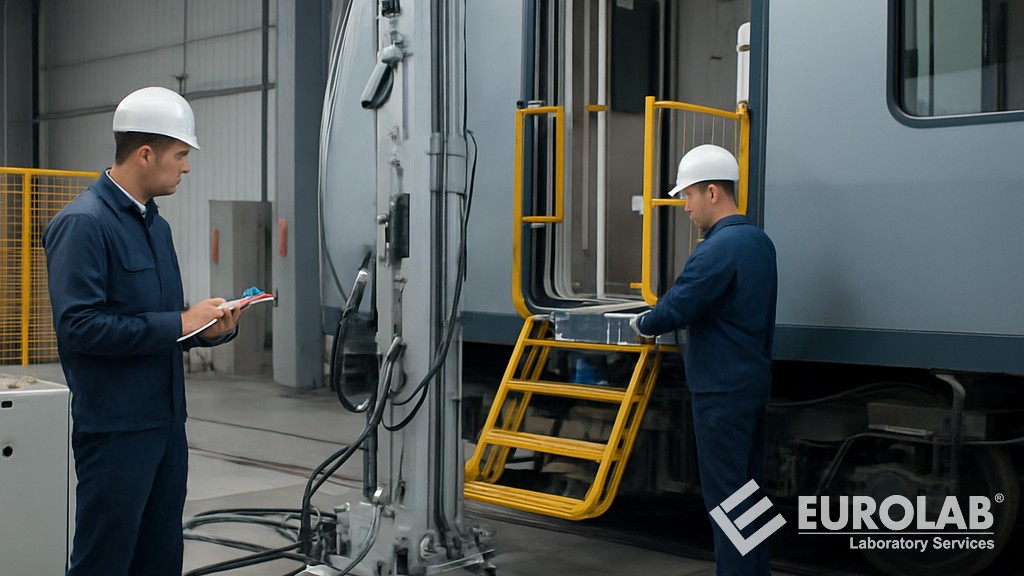
This standard refers to manual and electric entry systems. For manual doors, the provisions regarding electric operation do not apply.
This standard does not apply to the following:
- Access systems for equipment access, inspection, or maintenance purposes, and for crew use only.
- Doors on freight cars.
- Doors or hatches provided specifically for escape in emergency situations.
In short, this standard specifies the requirements and provides test methods for the design, construction, operation, and safety of passenger access systems (primarily doors) located on the side of the body of railway vehicles. This standard applies to passenger side access systems on newly designed railway vehicles, and these include:
- Trams (light rail system)
- Subways (underground trains)
- Suburban trains
- Regional and mainline passenger trains
- High speed trains
This standard covers sliding doors, snap doors, pocket doors, and other common body side door configurations used for passenger access on platforms. This standard generally does not apply to:
- Post-installation of existing equipment (unless specifically stated in national regulations)
- Freight wagons
- Interior doors
- Emergency exits that are not used as normal entrances
This standard focuses on ensuring safe, reliable, and accessible operation under normal, impaired, and emergency conditions. The primary objective of this standard is passenger and operational safety. This standard addresses the following risks:
- Passengers, clothing, luggage or body parts getting stuck
- Obstacle detection and pinch protection.
- Door closing forces and speeds
- Sealing against weather conditions and pressure differences (particularly important for high-speed trains)
- Integrity during train movement (doors must remain closed and locked while the train is in motion)
- Compliance with accessibility requirements for people with limited mobility.
- Emergency activation (manual override, evacuation scenarios)
The standard is structured around a few key areas. The main requirements covered are:
- Structural requirements: Materials, strength, durability, assembly, and tolerances.
- Functional requirements: Opening/closing times, operating forces, control systems, interlocking with train safety systems.
- Obstacle detection: Sensitivity levels, reaction times, and injury prevention.
- Environmental conditions: Temperature range, vibration, shock, dust and IP protection against water.
- Test methods: Durability (e.g., 1-2 million cycles), force measurement, climate tests, detailed test procedures for obstacle detection verification.
- Marking and documentation: Identification, maintenance instructions, and conformity assessment.
This standard has been harmonized under EU technical interoperability specifications.
The EN 14752 standard is critical in the railway industry because body side entry systems (particularly passenger doors) are one of the most critical and failure-prone subsystems in passenger trains. Doors interact directly with millions of passengers on platforms every day and therefore, if not properly designed, tested, and maintained, frequently lead to accidents.
The main reasons why this standard is important are:
- Passenger safety, prevention of entrapment, trapping and dragging incidents: Doors can pinch body parts, clothing, bags or limbs as they close, potentially leading to serious injury or entrapment and dragging incidents. This standard requires robust obstacle detection systems, limitations on closing forces/speeds, precise anti-pinch protection (e.g., detecting obstacles as small as 30 mm in many cases), and interlocking systems to prevent train movement when an obstacle is detected.
- Ensuring safe and accessible boarding and alighting: Malfunctioning doors cause a significant amount of waiting time on the platform and service delays. This standard mandates the following requirements:
- Minimum door widths/heights and low thresholds for easy access.
- Flat ride and compatibility with the needs of people with limited mobility.
- Controlled opening/closing times and forces to prevent impact or excessive force.
- Legal and regulatory compliance: This standard has been harmonized under the EU's technical interoperability specifications. Compliance demonstrates that the vehicles meet essential safety and interoperability requirements.
- Durability and performance under harsh conditions: Railway gates must operate reliably in extreme environments (e.g., -40 degrees to +50 degrees, high vibration, dust, rain, snow, or arctic conditions). This standard incorporates rigorous durability testing (typically 1-2 million cycles), climate testing, force measurements, and environmental qualification to ensure long-term reliability.
- Uniformity among manufacturers and operators: It provides a single, harmonized European reference for door system design, testing and certification. Major suppliers design and certify products to this standard, which makes interoperability possible.
In conclusion, the EN 14752 standard directly saves lives, prevents injuries, reduces operational disruptions, ensures accessibility for all passengers, including those with disabilities, and creates safe and efficient railway networks.
For many years, our organization, with its competent and experienced staff, has been understanding the needs of its clients, providing the advanced testing services they require, and assisting them in the establishment, implementation, and improvement of management systems. Within this framework, we also provide testing services in accordance with the EN 14752 standard.



