
EN 50463-4 Railway Applications - Energy Measurement in Trains - Part 4: Communication

EN 50463-4 Railway Applications - Energy Measurement in Trains - Part 4: Communication

The scope of the European standard “EN 50463-4 Railway applications - Energy measurement in trains - Part 4: Communication” is communication services. This standard describes the requirements and provides guidance for data communication between functions implemented within the energy measurement system and other embedded units where these functions and data are exchanged using a dedicated physical interface or a communication protocol stack over a shared network.
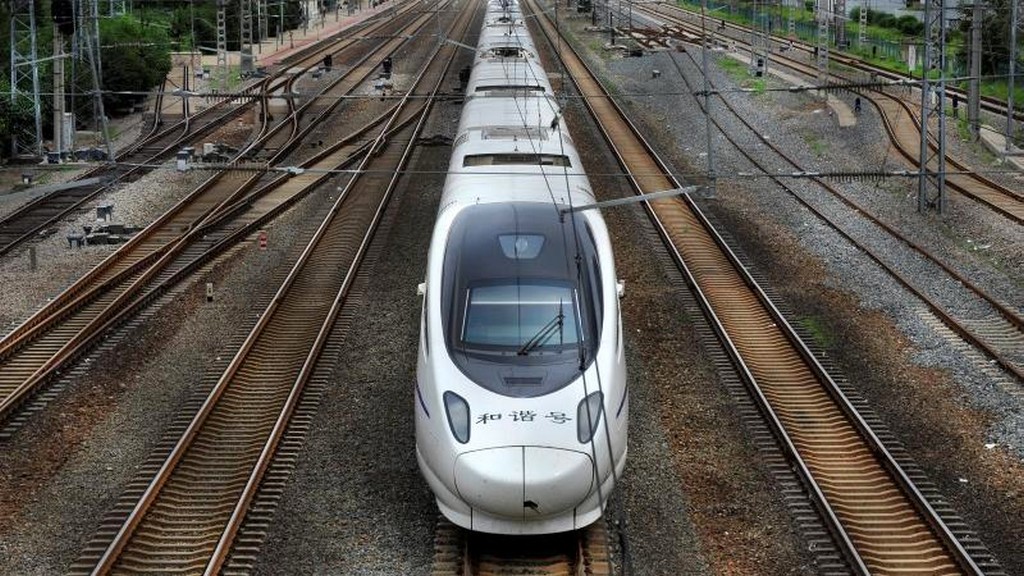
EN 50463-4 Railway Applications - Energy Measurement in Trains - Part 4: Communication

This standard covers the on-site communication service and specifies the requirements to support data transfer between the data processing system and the data acquisition system. This includes the transfer of aggregated energy billing data on an interoperable basis. The standard also defines the conformity assessment of communication services.

The EN 50463-4 standard applies to shipboard and ship-to-ground communication services, i.e. it covers data communication using digital interfaces:

  • Functions implemented within the energy measurement system include
  • Between the energy measurement system function and other onboard subsystems
  • Between energy measurement system and ground communication services

This standard covers the onboard data communication services of the energy measurement system, the data exchange between the energy measurement system functions and the data exchange between the energy measurement system and other onboard units, where data is exchanged using a communication protocol stack over a dedicated physical interface or a shared communication network.

This standard covers ground communication services on board ships, wireless data communication between the data processing system and the ground server. In addition, this standard includes conformity assessment requirements.

For the purposes of this standard, the following terms and definitions apply:

  • The ground-to-ground interface is the interface used for communication between the train and the ground.
  • A formation is a single vehicle or group of vehicles that does not separate during normal operation. Trainset and rolling stock are synonymous. A formation may contain one or more traction units.
  • A network is a communication network that connects communication devices in a network. More than one network can be attached to the same network.
  • The formation network interface is an onboard formation network interface used by the energy measurement system and other onboard devices that interface with the energy measurement system.
  • Coordinated Universal Time is the time scale underlying the coordinated radio propagation of standard frequencies and time signals. It corresponds exactly to the International Atomic Time, but differs from it by a whole number of seconds.
  • The data processing system-to-service interface is the interface between the data processing system and a maintenance/management tool.
  • The interface from the data processing system to the mobile communication function is the interface between the data processing system and the mobile communication function.
  • The interface from the energy measurement function to the data processing system is the interface between the energy measurement function and the data processing system.
  • The interface from the energy measurement function to the service is the energy measurement function maintenance/management interface.
  • The energy delta value is the energy consumed or replenished over a time period.
  • The energy index value is the total accumulated energy consumption or energy regeneration at the end of a time period.
  • A ground station is any ground station that can communicate with an energy measurement system.
  • Integrity is the security measures that address the detection of a corrupted payload.

In short, the EN 50463-4 standard contains specific requirements for energy measurement systems to be used for benchmarking, daily energy consumption monitoring, technical research and development. This standard provides requirements for easy monitoring of energy consumed in trains in daily services and the measured data is valid for general purposes in the industry such as energy management, energy saving and so on. However, this standard is not valid for billing purposes.

Practical purposes in industrial areas include:

  • Monitoring daily energy consumption of trains
  • Obtaining data on influencing factors such as operational commands and environmental conditions to analyze the relationships between operations and energy.
  • Energy management of power flow between trains and fixed installations
  • Implementation of research and development testing for train systems
  • Estimating energy costs to analyze overall efficiency and consumption

Among the numerous testing, measurement, analysis and evaluation studies that our organization has carried out for businesses in various sectors, it also provides testing services defined in the “EN 50463-4 Railway applications - Energy measurement in trains - Part 4: Communication” standard with its trained and expert staff and advanced technological equipment.

WhatsApp

