

The standard “NFPA 130 Fixed guideway mass transit and passenger rail systems” published by the National Fire Protection Association (NFPA) describes fire protection and life safety requirements for underground, above-ground and elevated fixed guideway transit and passenger rail systems.
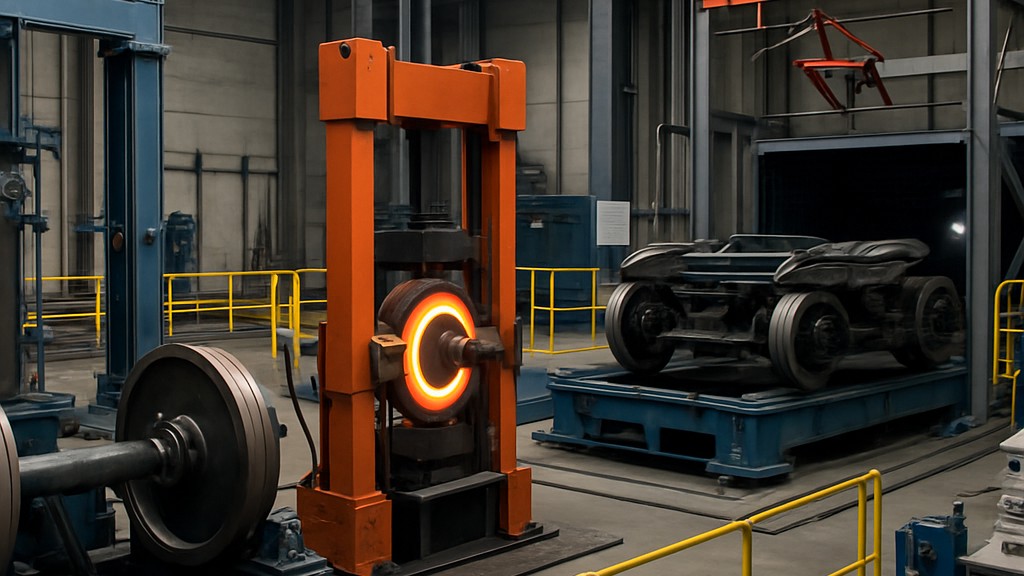
The potential for injury and entrapment in an emergency at a public transportation facility poses a significant risk to a large number of people. The NFPA 130 standard contains the latest provisions for underground, above-ground, and elevated fixed-guided transit and passenger rail systems, including stations, tracks, emergency ventilation systems, vehicles, emergency procedures, and communications and control systems.
NFPA 130 is a valuable resource for helping station and company managers, supervisors, security personnel, inspectors, and authorities understand and comply with basic life safety provisions. This standard covers stations accommodating only fixed-guided transit and passenger rail passengers and employees, as well as incidental occupancy within stations.
This is a comprehensive standard to help protect railways, from the materials used for fire alarms and interior wall and ceiling linings in closed stations, to the scenarios and methodologies used to predict fire profiles and calculate exit routes.
Essentially, the NFPA 130 standard consists of the following sections:
In an era where urban populations rely heavily on efficient public transportation, safety is paramount. Fixed guided transportation systems (such as subways, light rail, and commuter trains) transport millions of passengers daily through tunnels, elevated tracks, and crowded stations. However, these environments present unique fire risks: cramped spaces, high passenger density, and electrical systems that can catch fire quickly. That's where NFPA 130 comes in. This comprehensive code sets the benchmark for fire protection and life safety in these critical infrastructures, helping to prevent tragedies and ensure safe evacuations when necessary.
Created to address the unique hazards of rail and transit environments, the NFPA 130 standard has evolved over decades to incorporate lessons learned from real-world events and technological advancements. The latest version of this standard reflects updated requirements for everything from vehicle design to emergency signage. Understanding this standard illuminates the invisible safety measures that keep rails running smoothly and safely.
The NFPA 130 standard, in essence, aims to provide realistic fire safety levels for underground, above-ground, and elevated fixed-rail mass transit and passenger rail systems. This covers subways, monorails, trams, and intercity passenger rail systems, but not daily-use systems such as freight or funiculars. This standard covers the entire lifecycle of these systems: design, construction, operation, maintenance, and even repair.
Unlike building codes, NFPA 130 is designed for the dynamic nature of public transportation. It addresses life safety from fire, smoke, and toxic gases, while also addressing fire protection features such as suppression systems and detection. This standard explicitly covers stations, train tracks, emergency exits, and the rolling stock itself. It is an industry code, meaning products such as cables and materials must comply with the code's requirements, but official lists are not published; compliance is verified through testing and certification.
A key feature of this standard is that it integrates with other NFPA standards, such as NFPA 13 for sprinkler systems and NFPA 10 for fire extinguishers, providing a consistent safety framework.
The NFPA 130 standard is structured into sections that separate requirements by system components. Its key elements include:
Ensuring compliance with NFPA 130 involves third-party testing of materials and systems. For wiring, which frequently causes fires, this standard requires products that limit flame spread and smoke emissions.
Ultimately, the NFPA 130 standard is not just a document; it's a lifeline woven into the fabric of modern transportation. By mandating proactive fire safety, it saves lives and sustains economies by transforming potential disasters into manageable events. It's a roadmap for public transportation professionals and a quiet assurance to the public that rail travel will be fast and safe.
Our organization, which has been serving for many years and meticulously following global developments in science and technology, employs a skilled team and extensive infrastructure to conduct testing, measurement, and analysis in a wide range of areas for businesses across all sectors. In this context, we also provide testing services in accordance with the NFPA 130 Fixed Guide Rail Public Transportation and Passenger Rail Systems standard.
To get an appointment, to get more detailed information or to request an evaluation, you can ask us to fill in our form and reach you.

