

The “EN IEC 60533 Electrical and electronic installations on ships - Electromagnetic compatibility (EMC) - Metal-hulled ships” standard, developed by the International Electrotechnical Commission (IEC) and later published as a European standard as part of harmonization efforts, describes the minimum requirements regarding emission, immunity, and performance criteria related to electromagnetic compatibility (EMC) of electrical and electronic equipment for metal-hulled ships. For non-metallic hull ships, the IEC 62742 standard applies for additional or different requirements.
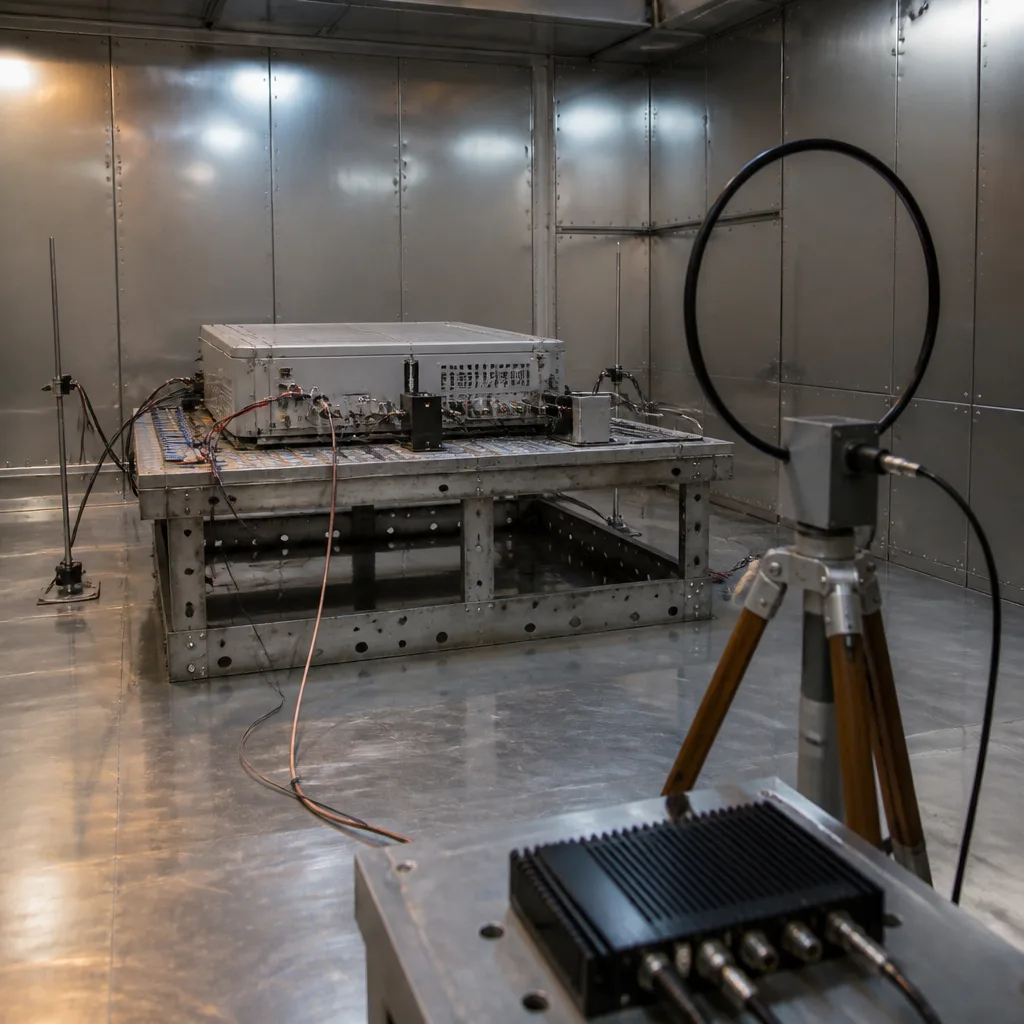
This standard provides guidelines and recommendations on measures to ensure electromagnetic compatibility in electrical and electronic installations of the following equipment groups:
The basis for groups A and C is the IEC 60945 standard. According to the IEC 60945 standard, EMC requirements also apply to:
Effects on humans such as exposure to electromagnetic fields, protection against electric shock, and basic safety requirements such as dielectric strength tests for equipment are outside the scope of this standard.
The EN IEC 60533 standard includes minimum requirements for emission, immunity, and performance criteria to ensure electromagnetic compatibility (EMC) of electrical and electronic equipment installed on metal-hulled ships. It helps prevent electromagnetic interference (EMI) that could disrupt critical systems on board, such as navigation, communication, and control equipment.
This standard is particularly important in the maritime industry, where ships operate in a complex electromagnetic environment containing numerous sources of interference (e.g., power generation equipment, radars, radios, and high-power electronics). Ensuring electromagnetic compatibility is crucial for safety, reliable operation, and compliance with international maritime regulations.
This standard applies to all electrical and electronic installations in metal-hulled vessels. It covers emission limits (how much electromagnetic interference the equipment can produce) and immunity requirements (how well the equipment can withstand external disturbances). It also provides performance criteria for the equipment being tested. However, it does not cover:
This standard helps ship designers, manufacturers, and equipment manufacturers meet the requirements of the International Maritime Organization (IMO).
Tests typically refer to relevant standards, such as CISPR for emissions and the IEC 61000 series of standards for immunity.
In short, the EN IEC 60533 standard contains requirements for electromagnetic compatibility (EMC) of electrical and electronic installations on ships. Its main purpose is to ensure that equipment on ships can operate reliably without causing or being affected by electromagnetic interference (EMI). This is critical for the safety and functionality of modern ships.
This standard applies to:
This standard covers:
This standard aims to:
The EN IEC 60533 standard covers the following main technical areas:
This ensures that the systems continue to operate under real-world maritime conditions.
These applications help reduce the risk of electromagnetic interference.
The tests ensure the equipment meets both emission and immunity criteria.
The EN IEC 60533 standard is considered important in the maritime sector for the following reasons:
The EN IEC 60533 standard works in conjunction with the following other EMC standards:
In conclusion, the EN IEC 60533 standard is a fundamental standard for ensuring electromagnetic compatibility on ships. By defining emission limits, immunity requirements, and installation practices, it helps guarantee the safe, reliable, and interference-free operation of electrical and electronic systems on board.
For many years, our organization, with its competent and experienced staff, has been understanding the needs of its clients, providing the advanced testing services they require, and assisting them in the establishment, implementation, and improvement of management systems. Within this framework, we also provide testing services compliant with the EN IEC 60533 standard.
To get an appointment, to get more detailed information or to request an evaluation, you can ask us to fill in our form and reach you.

