

The standard "EN IEC 61000-5-7 Electromagnetic compatibility (EMC) - Part 5-7: Installation and mitigation guidelines - Degrees of protection provided by enclosures against electromagnetic disturbances (EM code)", which has its origin in a European standard and was subsequently published by the International Electrotechnical Commission (IEC), describes the performance requirements, test methods and classification procedures for the degrees of protection provided by empty enclosures against electromagnetic disturbances at frequencies between 10 kHz and 40 GHz.
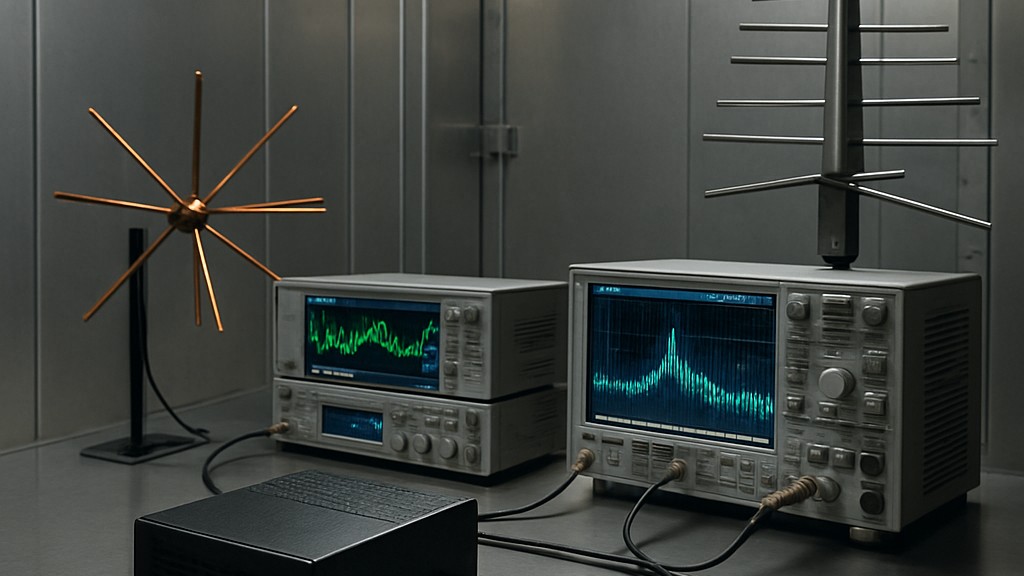
Shielding protection is measured to demonstrate that the enclosure provides sufficient electromagnetic energy shielding to support acceptable performance of completed and assembled units when tested to applicable IEC standards.
The primary purpose of this standard is to provide a repeatable method for evaluating the electromagnetic shielding performance of empty mechanical enclosures including cabinets and subracks and to specify a marking code that allows a manufacturer to select an enclosure with a known ability to attenuate electromagnetic fields.
Requirements for immunity to various types of electromagnetic disturbances, including lightning and high altitude electromagnetic pulse (HEMP), should be considered by manufacturers when determining the need for application of this standard for particular equipment and applications and the specific enclosure shielding requirements required as a function of frequency.
The adoption of a classification system in this standard ensures, to the greatest extent possible, uniformity in the methods of describing the protection against electromagnetic voltages provided by an enclosure. This ensures that not only the equipment within the enclosure is protected from external electromagnetic voltages, but also the external equipment is protected from internally generated electromagnetic voltages.
For the purposes of this standard, the following terms and definitions apply:
The frequency range generally covered by this standard is 10 kHz to 40 GHz. This standard applies to empty mechanical enclosures such as cabinets, chassis, and subracks. It ensures that, after assembly, the enclosures provide sufficient field attenuation to meet the immunity requirements of all equipment covered by the other parts of the IEC 61000 series of standards. This standard helps manufacturers select enclosures with predictable shielding performance based on frequency-dependent criteria.
The EN IEC 61000-5-7 standard outlines a repeatable measurement process. Specifically,
This standard is commonly used by manufacturers of critical infrastructure for electromagnetic compatibility (EMC) (e.g., telecom, industrial control, medical systems, military, aerospace). It is effective for planning, testing, and marking enclosures (often referenced in EMC test reports). It supports a risk-based EMC compliance approach, ensuring shielding is compatible with real-world threats beyond the fundamental emission limits.
The EN IEC 61000-5-7 standard is important because it provides a systematic and verifiable means of assessing and ensuring the electromagnetic shielding performance of enclosures used in electronic systems. This standard is considered important for the following reasons:
In conclusion, the EN IEC 61000-5-7 standard is a fundamental standard within the EMC hierarchy and complements other parts of this standard by focusing on physical enclosure protection. It is a fundamental tool for designing, evaluating, and certifying enclosures based on measurable electromagnetic shielding levels.
Our organization, which has been supporting businesses across all sectors for years through a wide range of testing, measurement, analysis, and evaluation activities, boasts a strong team of employees who closely follow global developments in science and technology and are constantly improving themselves. In this context, we also provide testing services in accordance with the standard "EN IEC 61000-5-7 Electromagnetic compatibility (EMC) - Part 5-7: Installation and mitigation guidelines - Degrees of protection provided by enclosures against electromagnetic disturbances (EM code)."
To get an appointment, to get more detailed information or to request an evaluation, you can ask us to fill in our form and reach you.

