
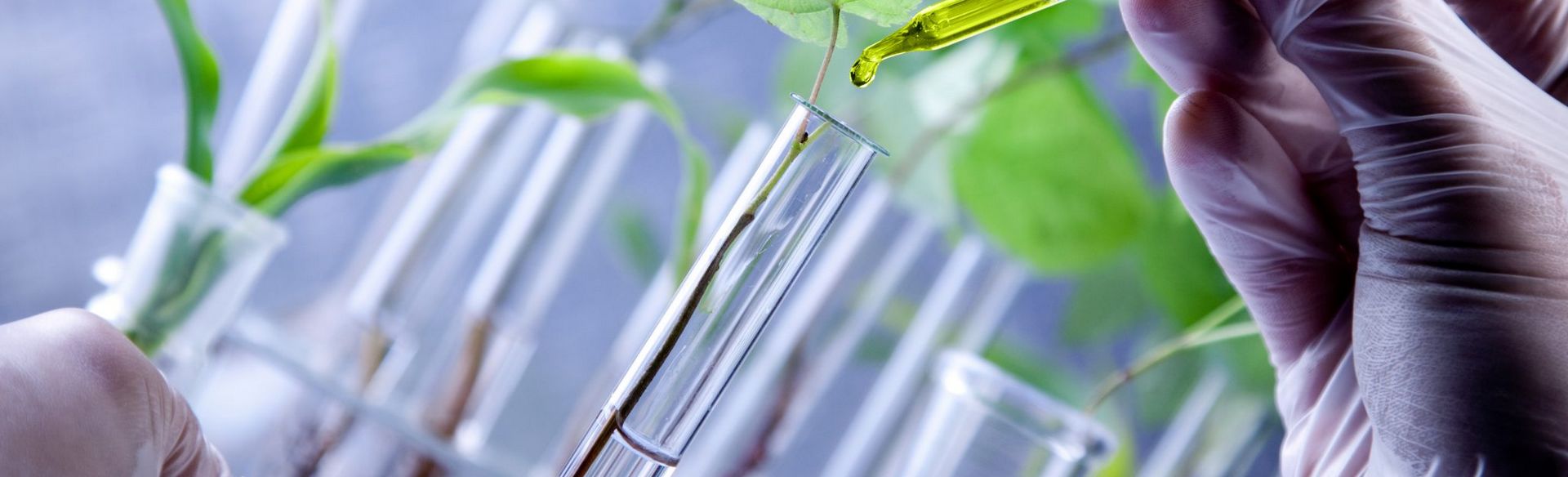
In terms of public health, the main problem during the production activities of genetically modified plants is the use of glyphosinate-derived herbicides. Glyphosinate ammonium herbicide has an important place in the fight against weeds, especially in corn and soybean production. By transferring certain genes to these plants, the herbicide only prevents the reproduction of weeds in products such as soy and corn and does not harm the original plant. In this way, producers gain visible benefits in terms of labor and economy. Glyphosinate-derived herbicides are used all over the world and cause significant pollution for the environment.
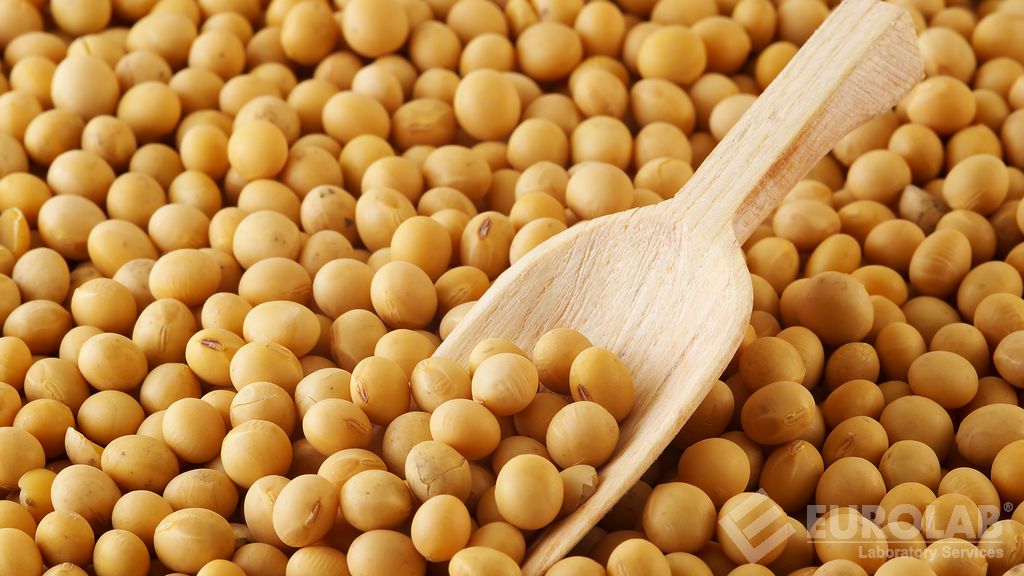
Transgenic plants obtained by transferring specific genes in soybeans acquire tolerance to glyfosinate ammonium derivative herbicides. However, from a human health perspective, the amount of residue in the plant after the use of these herbicides must be evaluated.
A2704-12 soybean species is among the genetically modified products approved for feed use by the Biosafety Board in our country. It has been decided that the possible effects of using this soybean species for feed will be lower in terms of human, animal and environmental health compared to non-genetically modified species.
In the test, analysis, measurement and evaluation studies carried out in our organization, national and international standards and applicable legal regulations are complied with and reliable and impartial results are obtained. These studies are based on the latest technological equipment, trained and experienced staff and modern methods. A2704-12 soybean type determination and quantity analysis services are among the numerous tests carried out in this context.
To get an appointment, to get more detailed information or to request an evaluation, you can ask us to fill in our form and reach you.

