

The genetically modified soybean strain DP-305423-1 was designed to produce soybean seeds with high levels of monounsaturated fatty acids and low levels of polyunsaturated fatty acids. To achieve this goal, part of the soybean microsomal omega-6 desaturase gene was transferred to soybean. This gene does not encode a protein. Thanks to this gene transfer, an increased level of added unsaturated fatty acids (oleic acid) and low levels of polyunsaturated fatty acids (linoleic and linolenic acid) were obtained in soybean seed. At the same time, soybeans have gained herbicide tolerance.
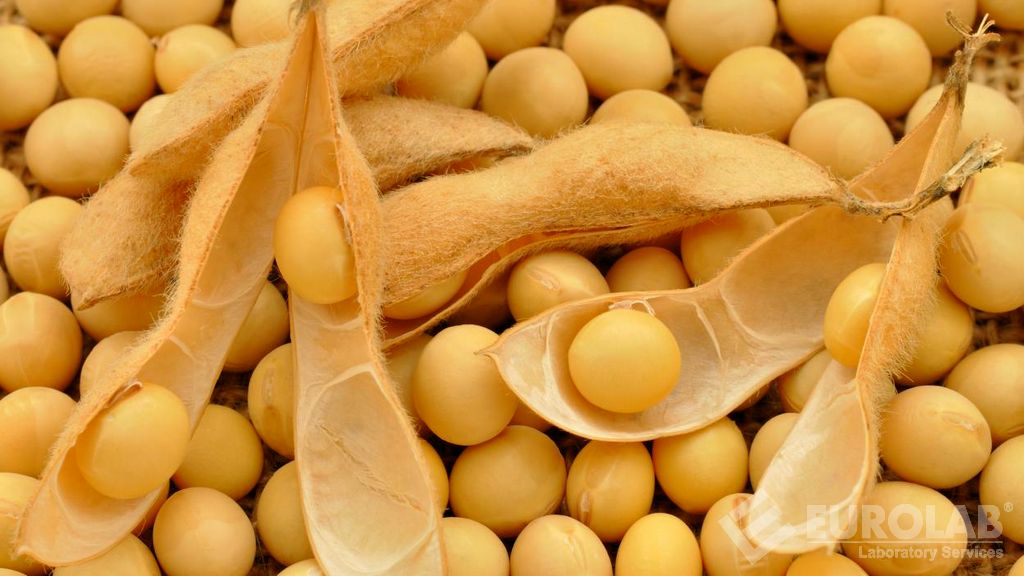
DP-305423-1 soybean strain is also among the genetically modified products approved for feed use by the Biosafety Board. The Biosafety Board has decided that the use of DP-305423-1 soybean species and products for feed purposes will not have a higher possible impact on human, animal and environmental health than with non-genetically modified species.
Today, genetically modified plants are classified globally by species as follows: soybeans (50%), corn (22%), cotton (12%), canola (5%), and other species (11%).
In the test, analysis, measurement and evaluation studies carried out in our organization, national and international standards and applicable legal regulations are complied with and reliable and impartial results are obtained. These studies are based on the latest technological equipment, trained and experienced staff and modern methods. Among the numerous tests carried out in this context, DP-305423-1 soybean type determination and quantity analysis services are also available.
To get an appointment, to get more detailed information or to request an evaluation, you can ask us to fill in our form and reach you.

