
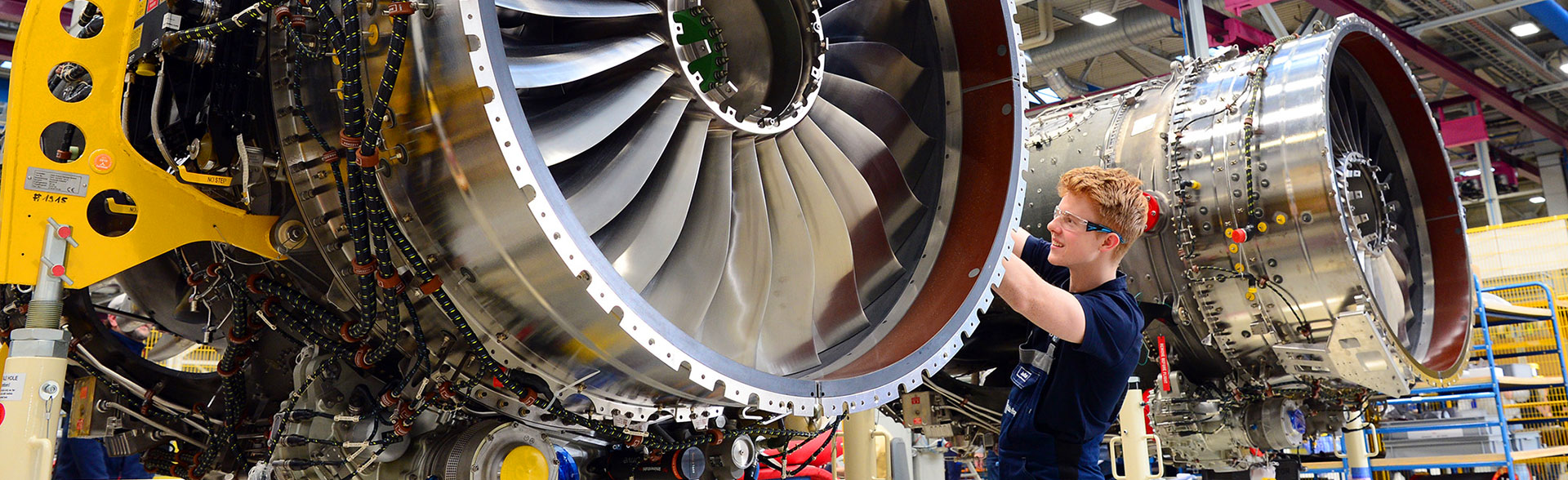
The “AMS 3819 Cleaning Cloths for Aircraft Primary and Secondary Structural Surfaces” standard, developed by the Society of Automotive Engineers (SAE), describes the requirements for both woven and non-woven absorbent materials supplied in cloth form.

In the high-risk world of aerospace engineering, even the simplest materials play a critical role. This is where the SAE AMS 3819 standard comes into play, a seemingly ordinary specification for cleaning cloths that supports the preservation of aircraft structural integrity. This standard has become a cornerstone in ensuring the safety and performance of aircraft, from commercial passenger planes to military jets. It is one of the most widely referenced and strictly enforced material specifications in commercial and military aviation.
Aircraft surfaces (both primary (load-bearing structures such as wings and fuselages) and secondary (non-structural elements such as fuselages) require rigorous cleaning to remove contaminants such as oil, fuel, and residues from manufacturing or operations. Traditional cloths often leave behind fibers, lint, or chemical residues that can compromise adhesives, paints, and even structural bonds. The AMS 3819 standard is designed to address these risks. Recent updates reflect modern demands for more environmentally friendly materials and broader applicability.
Essentially, this standard defines absorbent materials designed for solvent-based cleaning processes. These are rigorously tested textiles designed to provide spill-free absorbency, thus preventing foreign residue from penetrating critical components.
The AMS 3819 standard covers three different material types: woven, nonwoven, and knitted fabrics. These can be supplied dry or pre-saturated with approved solvents, making them versatile for workshop floors or field repairs. The key requirements of this standard are:
These specifications are enforced through standard tests such as ASTM D4612, ensuring compliance among global suppliers. This standard is used as a reference in FAA guidelines and NASA's composite repair procedures.
While previous versions of this standard focused entirely on performance, the latest revision now promotes biodegradable fibers and low volatile organic compound (VOC) compliance, aligning with the industry's net-zero targets. This also translates to a 2-3% reduction in aviation emissions related to maintenance solvents.
Modern carbon fiber aircraft are extremely susceptible to contamination during curing and bonding. A single lint particle trapped in a composite bonding line can cause delamination under cyclic loading. Electric aircraft and hydrogen programs have zero tolerance for ionic contamination, which can accelerate corrosion in new lightweight alloys. Regulators look for AMS 3819 standard compliance during inspections.
A single fiber, silicone molecule, or ionic contaminant left behind during cleaning can lead to catastrophic failures in modern aircraft. Therefore, the AMS 3819 standard is extremely important. This standard is generally considered important for the following reasons:
In short, if a fabric does not have AMS 3819 certification, it cannot legally or technically be incorporated into a modern aircraft fuselage during production or heavy maintenance.
For many years, our organization, with its competent and experienced staff, has been understanding the needs of its customers, providing the advanced testing services they require, and assisting in the establishment, implementation, and improvement of management systems. Within this framework, we also provide testing services in accordance with the "AMS 3819 Cleaning cloths for primary and secondary structural surfaces of aircraft" standard.
To get an appointment, to get more detailed information or to request an evaluation, you can ask us to fill in our form and reach you.

