
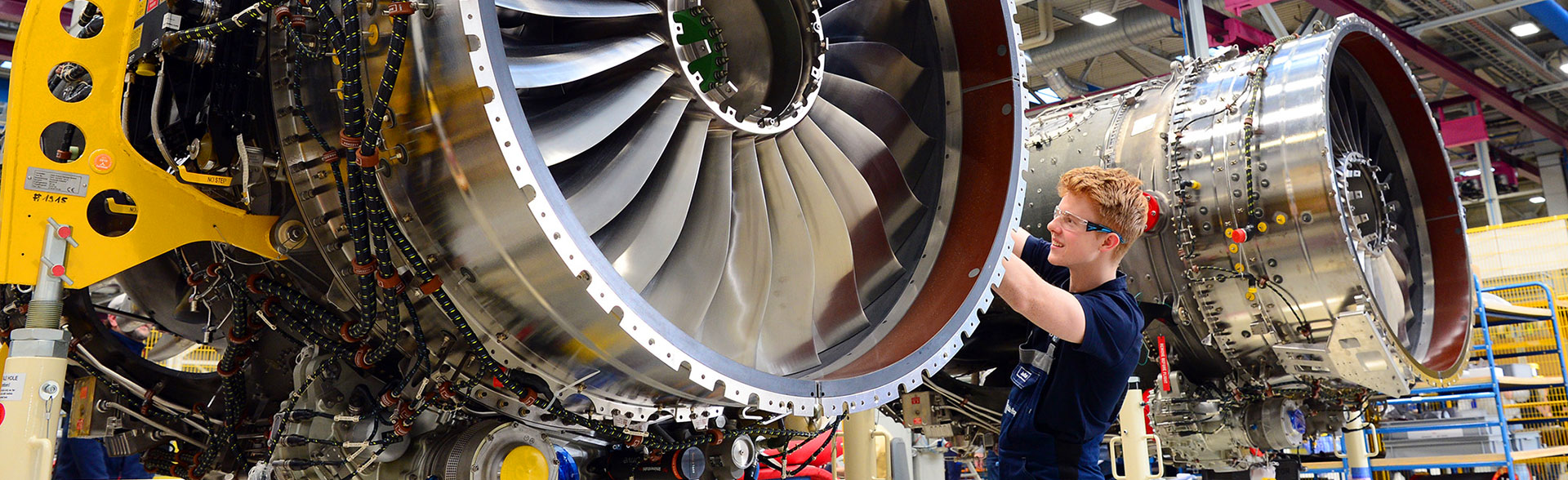
The MIL-E-5007 standard, a US military standard, includes performance, operating characteristics, design features, detailed interface configuration definitions and installation criteria of turbojet and turbofan engines.

Shafts designed for aircraft engines for military applications must meet certain power and life requirements stipulated by the MIL 5007 standard and specific engine structural integrity requirements. During the design phase, the ability of the shaft to transmit power without permanent bending and effectively meet safety margins is checked to avoid critical failure modes over the entire flight life of the engine.
The MIL E 5007 standard also establishes the tests, reports, inspection procedures and other data necessary for the satisfactory completion and acceptance of preliminary flight rating tests and proficiency tests for engines. In addition, this standard includes the tests and procedures required for the satisfactory completion of acceptance tests of production units of turbojet and turbofan engines. The engine manufacturer will continue to be fully responsible for all features and performance of the engine throughout its operating life, to the extent required by the applicable contract.
A few of the mandatory design requirements are as follows:
Shafts are subject to frequent start-stop cycles and rapid throttle action throughout their lifetime. These cause thermal and mechanical fatigue to engine components. Specifications governing mechanical property requirements stipulate that structural ability must be based on material property curves generated by testing samples. In addition to static properties, eg tensile strength, dynamic properties, eg fatigue, also need to be determined statistically.
Among the numerous test, measurement, analysis and evaluation studies it provides for businesses in various sectors, our organization also provides testing services for engines, aircraft, turbojets and turbofans, general features, within the scope of MIL E 5007 standard, with its trained and expert staff and advanced technological equipment.
To get an appointment, to get more detailed information or to request an evaluation, you can ask us to fill in our form and reach you.

