
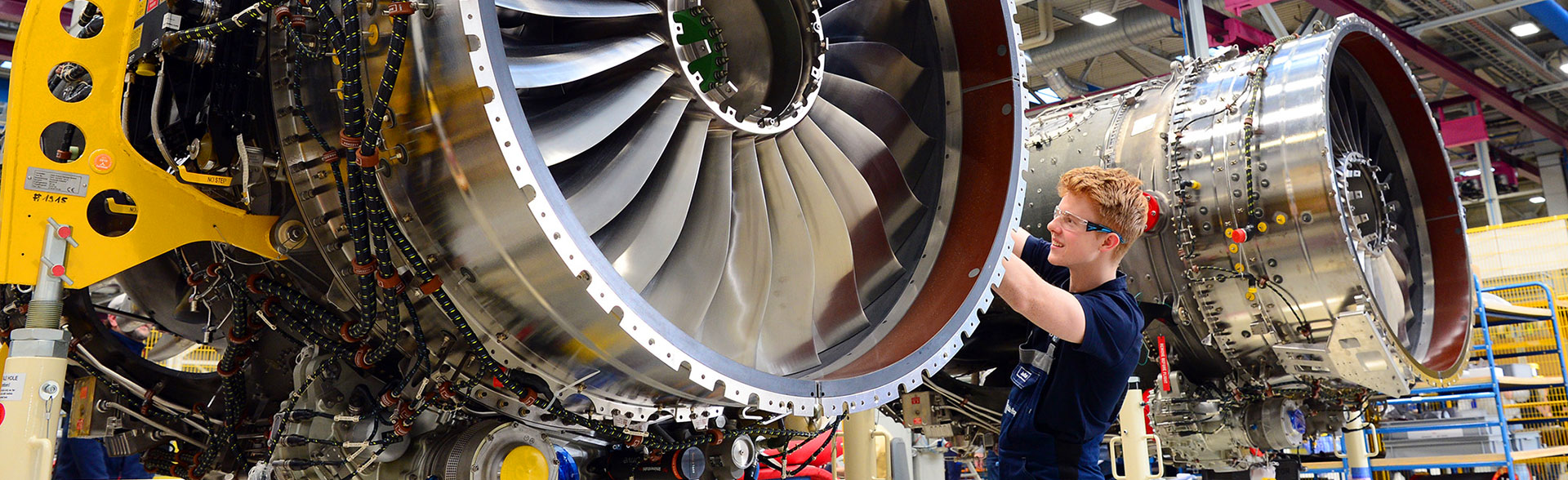
The SAE ARP 6924 standard, developed by the Society of Automotive Engineers (SAE), describes Level 1 tests for the qualification of an artificial bird for certification tests of aircraft and aircraft engines.
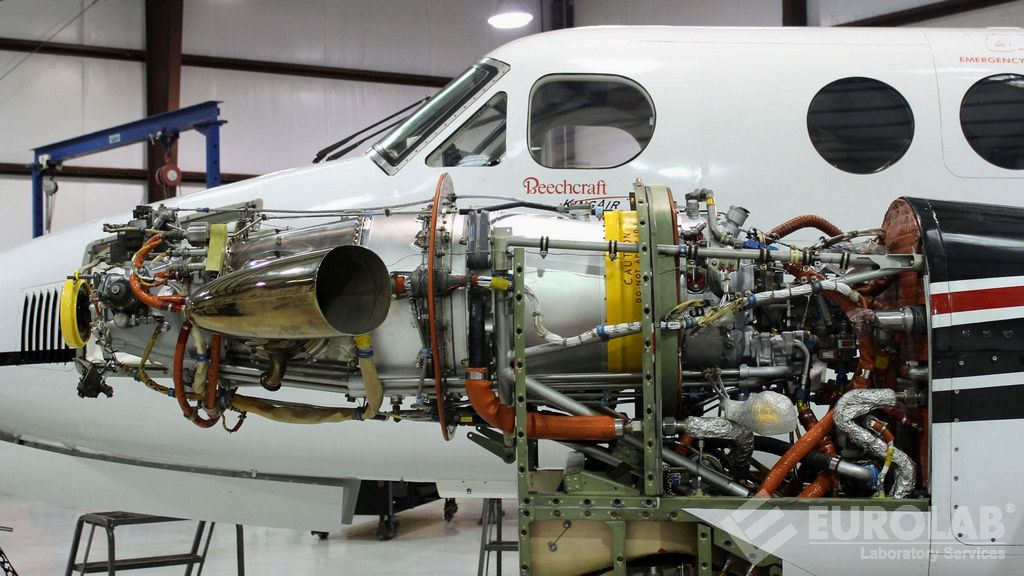
Level 1 tests represent the lowest level of the test pyramid associated with the building block approach described in the CMH-17 Composite materials handbook. The test pyramid consists of five test levels, ranging from the most basic at the bottom of the pyramid to the most complex at the top. In general, the number of tests performed is inversely proportional to the complexity of the tests. The building block approach is currently used for certification testing of aircraft where bird strike testing is required: rotorcraft, fixed-wing fuselage and engines. This approach is used to define the tests required for an artificial bird to qualify as accepted by regulatory agencies.
The SAE ARP 6924 standard describes only the tests required for level 1 of the test pyramid. Other standards describe required testing at higher levels. The scope of this standard does not include detailed descriptions of required tests. These explanations are contained in other standards associated with each test.
For any impact, the most important determinant of damage potential is impact velocity. This is because the kinetic energy that must be absorbed by the fuselage or engine is the product of mass and the square of velocity. Clearly, the aircraft's speed, rather than the bird's speed, accounts for almost the entire closing velocity of the impact. Therefore, except for very small aircraft, aircraft speeds are directly proportional to the damage potential for a collision with a given object. Civil aircraft speeds are generally lowest near the ground where the bird is located, but the bird risk gradually increases with altitude. Incident analyses have proven that the number of bird strikes decreases rapidly with altitude, but the greater the altitude, the greater the proportion of bird strikes causing significant damage.
Among the numerous test, measurement, analysis and evaluation studies it provides for businesses in various sectors, our organization also provides testing services recommended for artificial bird qualification in aircraft certification testing within the scope of SAE ARP 6924 standard, with its trained and expert staff and advanced technological equipment.
To get an appointment, to get more detailed information or to request an evaluation, you can ask us to fill in our form and reach you.

