
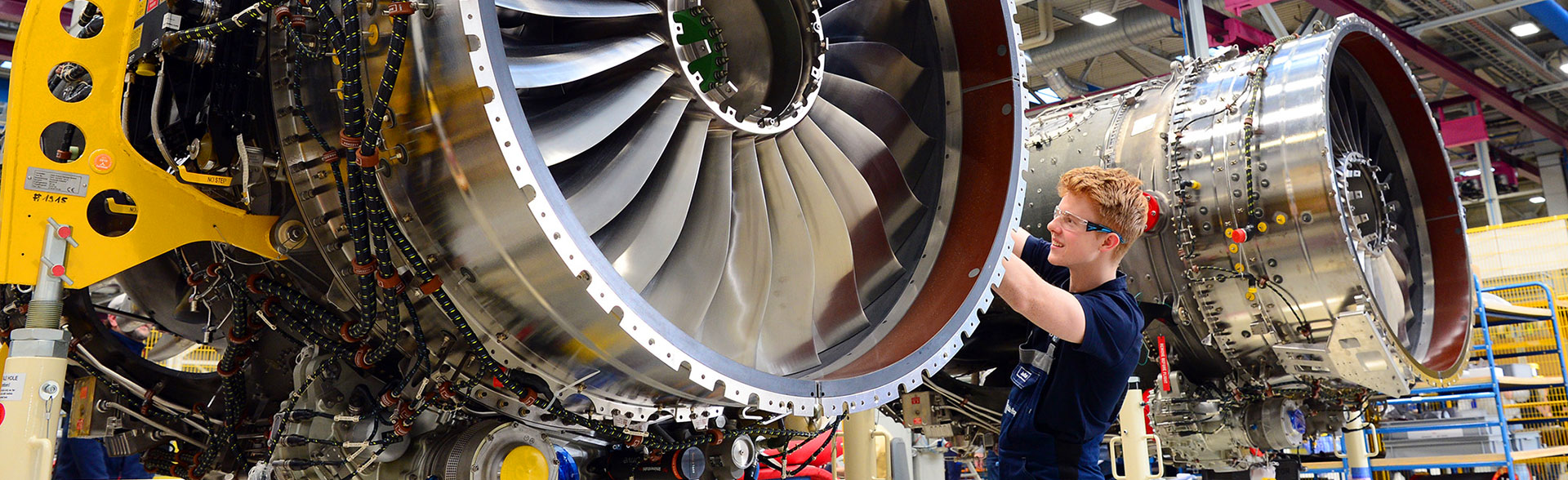
Developed by Boeing, a multinational American aerospace company that designs and manufactures aircraft, helicopters, rockets, satellites, telecommunications equipment, and missiles worldwide, the Boeing D6-16050-5 standard describes the electromagnetic compatibility requirements and provides test methods for electrical and electronic devices used in the production of aircraft.

The RTCA/DO-160E document, titled “Environmental Conditions and Test Procedures for Airborne Equipment,” published by the Radio Technical Commission for Aviation (RTCA), describes the required test conditions and procedures. This document mandates that Boeing, Airbus, and other manufacturers test avionics components and subsystems. The Boeing D6-16050 standard is based on the electromagnetic compatibility tests described in this document and primarily includes the following subsections:
The Boeing D6-16050-5 standard mainly includes the following tests:
Electromagnetic interference control (EMI) in telecommunications is the control of radiated and transmitted energy to reduce, minimize or eliminate emissions that are unnecessary for system, subsystem or equipment operation. There are three different methods that help reduce or eliminate electromagnetic interference: filtering, grounding and shielding. A direct way to get rid of unwanted signals is to filter them, and most new equipment uses this method to minimize electromagnetic interference.
Among the numerous tests, measurements, analyses, and evaluations our organization provides for businesses in various sectors, we also offer testing services related to electromagnetic interference control requirements under the Boeing D6-16050-5 standard, utilizing a trained and expert staff and advanced technological equipment.
To get an appointment, to get more detailed information or to request an evaluation, you can ask us to fill in our form and reach you.

