
The SAE ARP 986 standard, developed by the Society of Automotive Engineers (SAE), provides test methods to be applied to hydraulic, electrical, pneumatic and mechanically actuated air valves. These test methods also function in response to externally applied forces to maintain a calibrated duct weather (for example, air flow, air pressure, air pressure ratio, air temperature, or air closure) or in response to changes in upstream or downstream duct weather conditions. values are also determined.
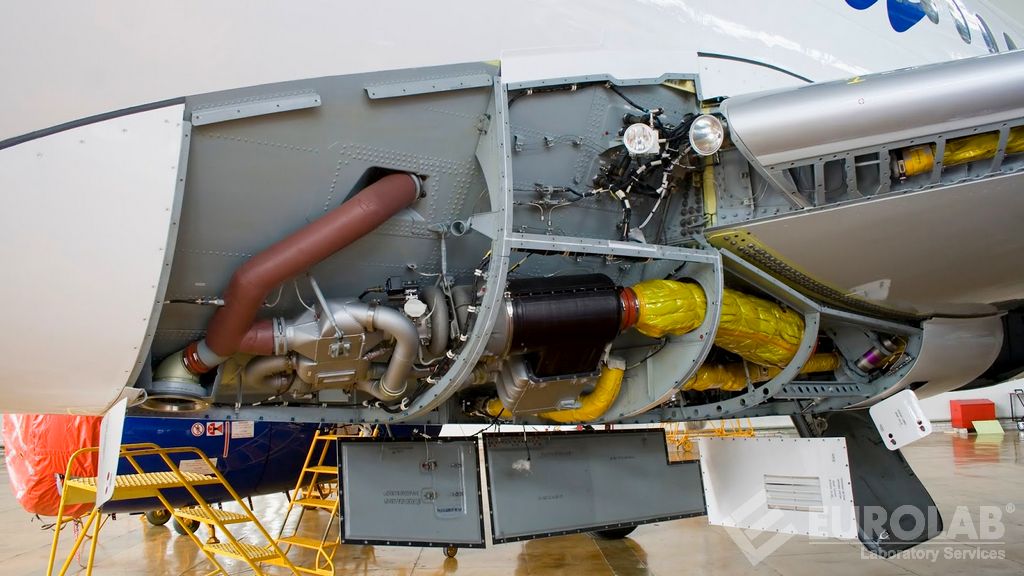
The purpose of the SAE ARP 986 standard is to provide the aircraft industry with guidance for laboratory qualification testing for the qualification of aircraft air valves.
Qualification testing performed on aircraft to verify compatibility of valve function and stability as part of a complete system is outside the scope of this standard. For design and certification requirements for cabin pressurization control system components, the SEA ARP 1270 standard is referenced (aircraft cabin pressure control criteria standard).
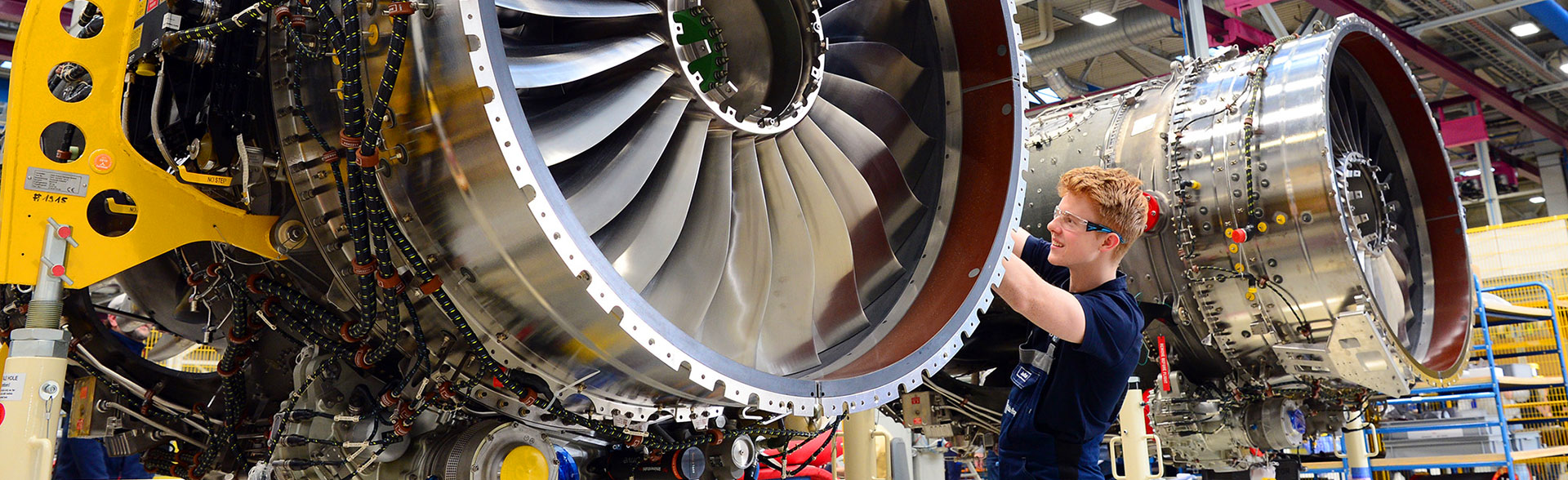
The valves in an engine, simply known as engine valves, are generally designed to balance and control the flow of gases entering and exiting the cylinders in the engine. They are designed to regulate gas levels during the engine's combustion process. Basically, they serve to open and close a portal for air or gas entering and exiting the engine. Aircraft engines are also generally multi-valve. The cylinders in an engine have at least one intake valve and at least one exhaust valve. The intake valve regulates the degree to which the air and fuel mixture flows from the engine's intake port and cylinder, while the exhaust valve allows exhaust gases to flow away from the exhaust port and cylinder.
The way valves are formed in an engine is very similar across all engine types. The valves generally face towards the combustion chamber of the cylinder which exposes them to more corrosion, higher temperatures and higher operating stresses. Because they are subject to high stresses, the materials that make up the intake valves must be made of metals that are resistant to these conditions. For example, intake valves need to operate at lower temperatures than exhaust valves and are usually made of nickel, chrome or tungsten steel. In contrast, exhaust valves must withstand higher temperatures and generally need to be made of silicon-chromium, cobalt-chromium alloys or a more heat-resistant material.
Our organization also provides qualification testing services for aircraft air valves within the scope of SAE ARP 986 standard, with its trained and expert staff and advanced technological equipment, among the numerous test, measurement, analysis and evaluation studies it provides for businesses in various sectors.
To get an appointment, to get more detailed information or to request an evaluation, you can ask us to fill in our form and reach you.

