
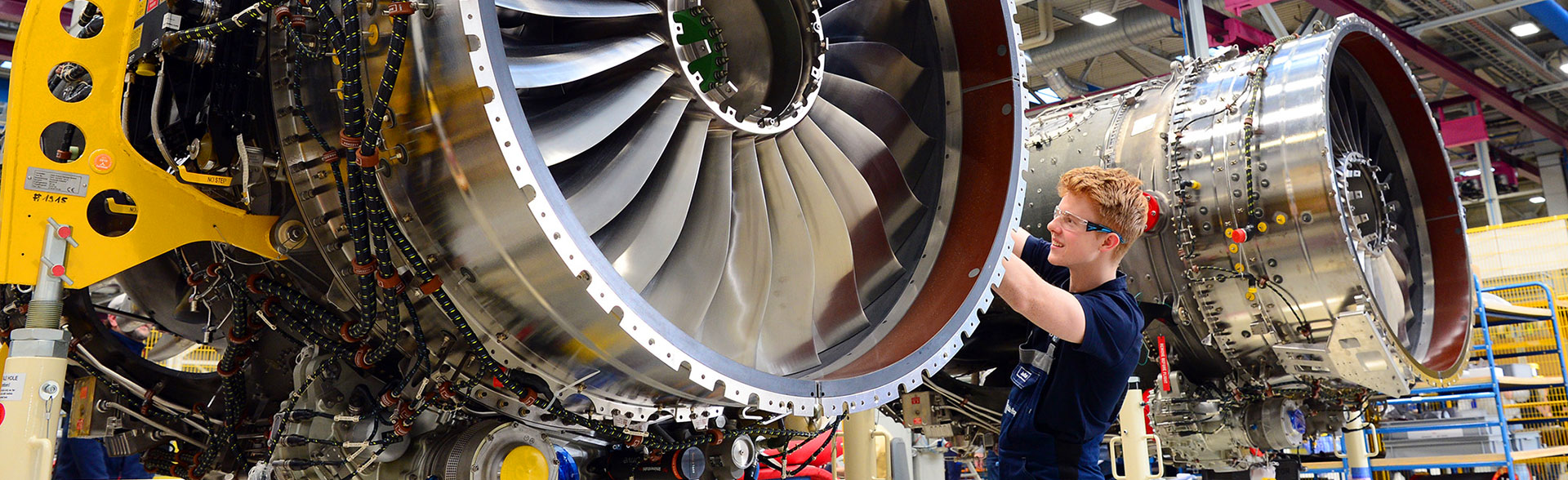
The “NASA-STD-7002 Payload Test Requirements” standard, developed by the National Aeronautics and Space Administration (NASA), is one of the primary engineering standards used to qualify payloads for spacecraft before launch. This standard establishes a standardized framework for environmental and functional testing of flight hardware to verify that spacecraft systems can survive and continue to perform their intended functions in launch, space operations, and mission environments.
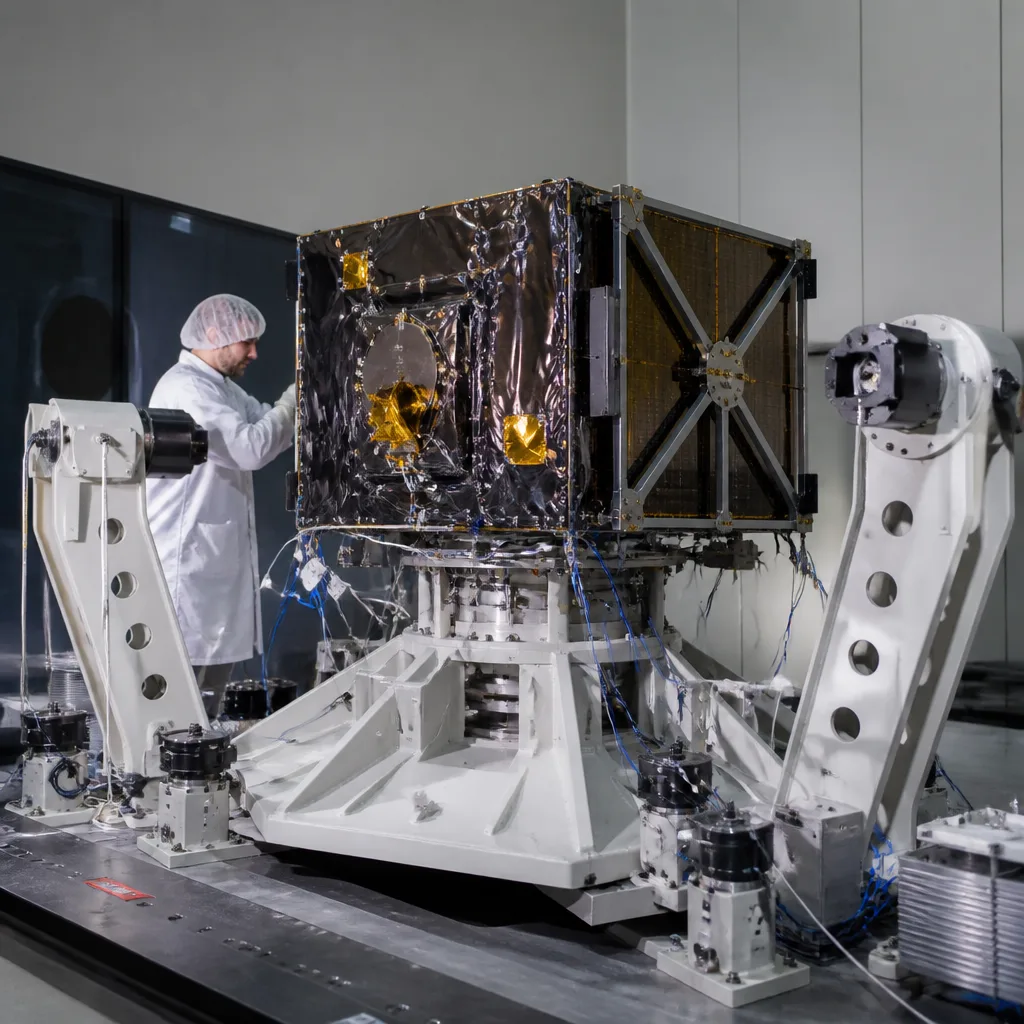
Space missions involve enormous financial investments and often operate in environments where repair is impossible. The NASA-STD-7002 standard provides a common methodology across the agency to verify that payload hardware can withstand the following conditions:
This standard establishes consistent testing requirements across NASA centers and contractors, providing comparable qualification methods regardless of who developed the hardware. This consistency also simplifies the evaluation of legacy hardware by allowing previously flown components to qualify for new missions using “qualification by similarity.”
The NASA-STD-7002 standard primarily applies to the following:
This standard was originally developed for payloads operating in Earth orbit, but the test philosophy can be adapted for the following missions:
While many test principles are widely adopted in the aerospace industry, this standard focuses on payload equipment rather than complete launch vehicles.
The NASA-STD-7002 standard aims to:
This standard defines environmental and functional verification tests:
These tests simulate the following:
Large loads can be subjected directly to acoustic or echo chamber testing.
The thermal vacuum test recreates these conditions to verify the following:
This is especially important for spacecraft carrying numerous sensitive scientific instruments.
This confirms the following:
A distinctive aspect of the NASA-STD-7002 standard is the emphasis it places on prototype flight testing. Instead of creating separate qualification and flight units, NASA often does the following:
This approach,
This standard also acknowledges alternative validation strategies, including traditional prototype qualification programs where appropriate.
NASA acknowledges that no two missions are exactly alike. Therefore, the NASA-STD-7002 standard allows for engineering adaptations based on:
Mission-specific environmental conditions determine the final test profile, rather than applying the same requirements to every spacecraft.
The NASA-STD-7002 standard works in conjunction with several complementary NASA standards. For example,
These standards together form part of NASA’s 7000 series of standards, which cover system and subsystem testing, analysis, modeling, and evaluation.
Although developed by NASA, the NASA-STD-7002 standard is widely referenced by aerospace engineering organizations requiring high reliability. These include:
The principles are also beneficial to organizations developing hardware for NASA missions under the contract.
Implementing this standard offers several advantages:
In conclusion, the NASA-STD-7002 standard is important because it establishes a rigorous and standardized approach to verifying that spacecraft payloads can withstand the mechanical, thermal, vacuum, acoustic, and electromagnetic environments encountered from launch to mission completion. By defining consistent environmental and functional testing requirements, it reduces the risk of costly in-flight failures, supports the reuse of proven legacy equipment, and enables uniform qualification practices across NASA centers and contractors. The standard's emphasis on comprehensive testing helps ensure that scientific instruments and other in-flight equipment remain reliable in environments where maintenance or repair is not possible, ultimately contributing to more reliable and successful space missions.
For many years, our organization, with its competent and experienced team, has been understanding the needs of its clients, providing the advanced testing services they require, and assisting them in the establishment, implementation, and improvement of management systems. Within this framework, we also provide testing services compliant with the NASA-STD-7002 standard.
To get an appointment, to get more detailed information or to request an evaluation, you can ask us to fill in our form and reach you.

