
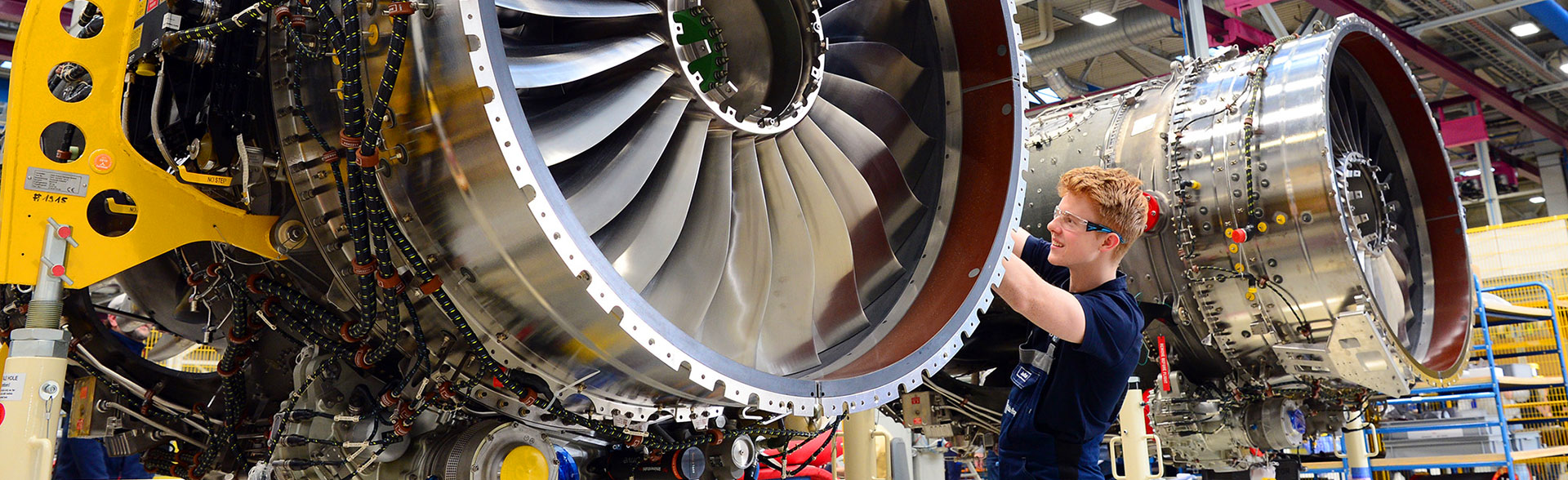
The “NASA-STD-7003 Pyroshock Test Criteria” standard, developed by the National Aeronautics and Space Administration (NASA), is a NASA engineering standard that establishes a consistent methodology for developing and conducting pyroshock tests on spacecraft, launch vehicles, payloads, and related flight equipment. This standard ensures that spaceflight components can withstand the extremely high-frequency shock loads generated by pyrotechnic devices and other shock-generating separation mechanisms during launch and mission operations.
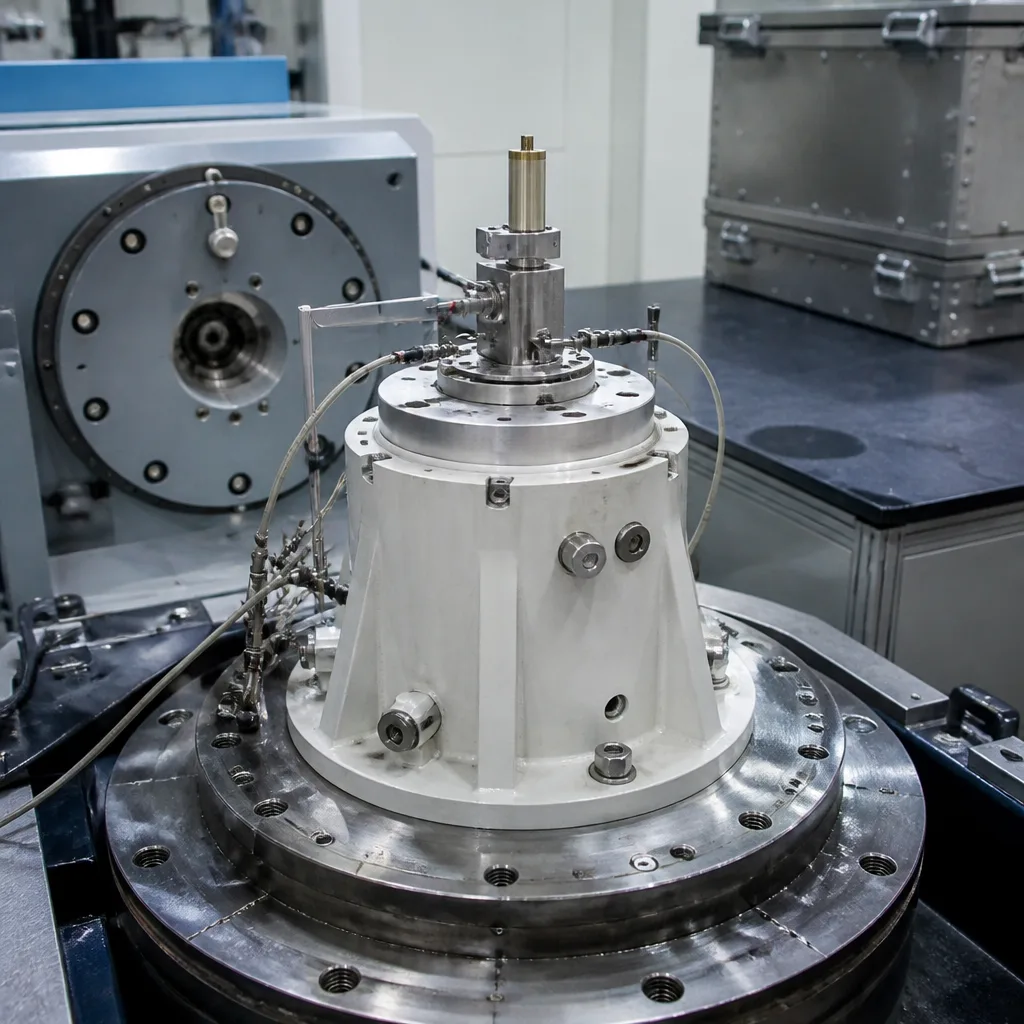
Pyroshock is a short-duration, high-frequency mechanical shock produced by events such as:
Although a shock event typically lasts only a few milliseconds, it can generate accelerations exceeding 10.000 g at frequencies of 10 kHz or higher. These transient loads can damage sensitive electronics, optical instruments, sensors, connectors, and structural components.
In short, a pyroshock is an intense, high-frequency, short-duration voltage wave that propagates through a structure following an explosive event. Common triggers include the detonation of explosive bolts, stage separations in rockets, or the placement of missile payloads.
The primary purposes of the NASA-STD-7003 standard are as follows:
This standard applies to:
This standard supports various validation stages, including:
Piroshok differs significantly from other environmental tests:
Piroshok presents unique challenges for the following reasons:
The NASA-STD-7003 standard addresses these challenges using standardized engineering methods.
The fundamental metric used by the NASA-STD-7003 standard is the shock response spectrum. Instead of defining acceleration versus time, the shock response spectrum characterizes the maximum response of a single-degree-of-freedom oscillator across a range of natural frequencies. The shock response spectrum allows engineers to:
This approach has become the industry standard for pyroshock characterization.
The NASA-STD-7003 standard covers a variety of technical fields, including:
The chosen method should reproduce the shock response spectrum as closely as possible.
Because pyrotechnics involve very high-frequency energy, instrumentation quality is critically important.
The measured responses are compared to the required competency spectra.
This helps avoid unnecessary over-testing while maintaining confidence in hardware reliability.
The NASA-STD-7003 standard distinguishes between different verification objectives.
The NASA-STD-7003 standard is part of NASA’s broader framework for structural dynamics and environmental validation and complements the following standards:
Together, these standards address the major dynamic environments encountered during spacecraft development and verification.
Although the NASA-STD-7003 standard was developed for NASA missions, the methodology is widely applied by:
In conclusion, the NASA-STD-7003 standard provides a comprehensive engineering methodology for defining, measuring, analyzing, and validating the pyroshock environments encountered by spacecraft and launch vehicle equipment. By standardizing the use of shock response spectrum analysis, specifying appropriate test methods, and allowing for risk-based adaptation, it enables engineers to design qualification and acceptance tests that accurately represent flight conditions. This standard plays a critical role in protecting sensitive electronic devices, instruments, and structural components from one of the most severe transient environments encountered during space missions, significantly contributing to the reliability and success of modern aerospace systems.
For many years, our organization, with its competent and experienced team, has been understanding the needs of its clients, providing the advanced testing services they require, and assisting them in the establishment, implementation, and improvement of management systems. Within this framework, we also provide testing services compliant with the NASA-STD-7003 standard.
To get an appointment, to get more detailed information or to request an evaluation, you can ask us to fill in our form and reach you.

