

The SAE ARP 4049 standard, developed by the Society of Automotive Engineers (SAE) , provides basic recommendations for two types of configurations for securing cargo to passenger seats in transport category aircraft. These two types of restrictions are examples of currently used methods and do not imply that alternative methods are unacceptable.
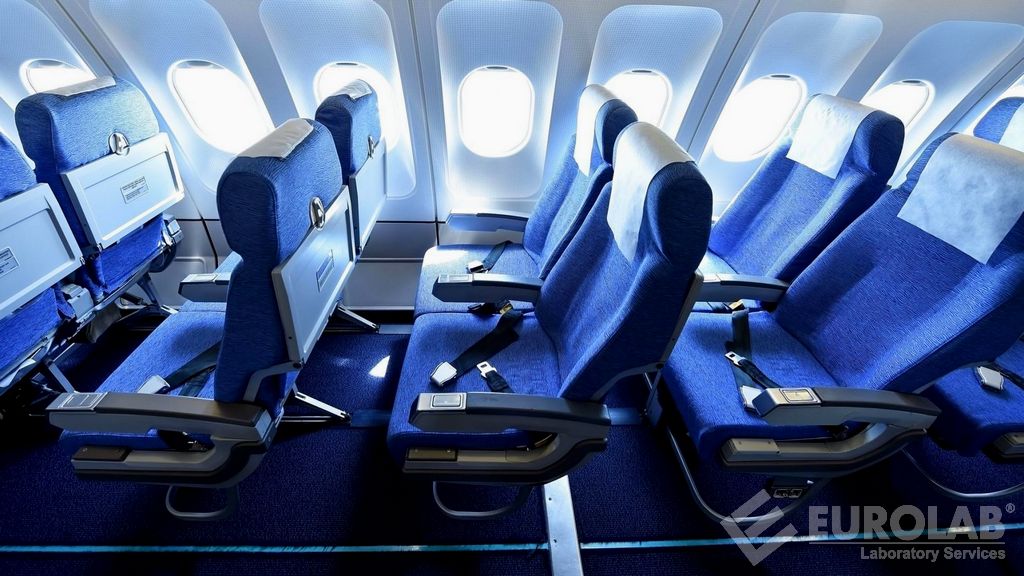
Two types of restrictions are:
For the purposes of this standard, the minimum basic criteria are expressed with the emphasis of "will" and the recommended criteria are expressed with the emphasis of "must". While the recommended criteria are not mandatory, they are recognized as important in providing safe, economical and practical cargo restraint methods. Deviation from the proposed criteria is accepted only after it has been shown to be satisfactory by the following alternative methods:
There are two issues that have worried airline companies in recent years:
In most cases, an oversized solid cargo can be held securely in, under, or between the passenger seats using rope, straps and seat rail lashings using conventional methods. However, there are a number of loads that are not multidimensional or rigid, that cannot be held securely by such conventional methods, or that require an excessive amount of time to establish a satisfactory confinement condition. In addition, traditional restraint methods, especially using ropes, damage seats, cause unnecessary maintenance and create an unacceptable appearance for passengers. A number of methods are used by airlines in situations that require the carriage of dead cargo in passenger cabins and where removal of passenger seats is unacceptable.
Among the numerous test, measurement, analysis and evaluation studies it provides for businesses in various sectors, our organization also provides test services for cargo restriction in aircraft passenger seats - main passenger cabin, within the scope of SAE ARP 4049 standard, with its trained and expert staff and advanced technological equipment.
To get an appointment, to get more detailed information or to request an evaluation, you can ask us to fill in our form and reach you.

