
The standard “ASTM D5338 Standard test method for determining aerobic biodegradation of plastic materials under controlled composting conditions including thermophilic temperatures” developed by the American Society for Testing and Materials (ASTM) describes a test method for determining the degree and rate of aerobic biodegradation of plastic materials exposed to a controlled composting environment at thermophilic temperatures under laboratory conditions.
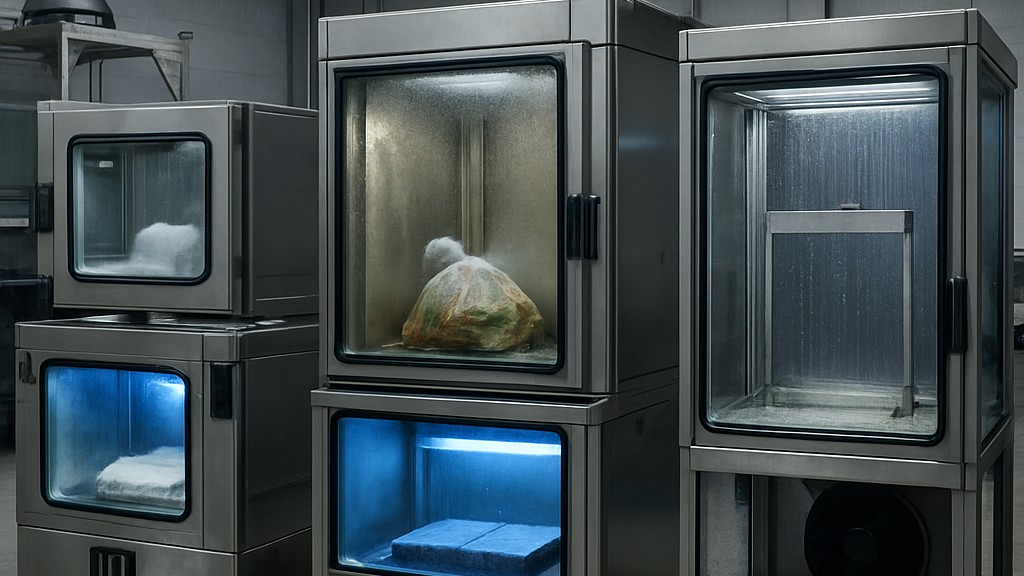
This test method is designed to obtain repeatable and reproducible test results under controlled conditions that mimic composting conditions where thermophilic temperatures are achieved. Test materials are exposed to an inoculum derived from compost derived from municipal solid waste. Aerobic composting occurs in an environment where temperature, aeration, and humidity are closely monitored and controlled.
During composting, thermophilic temperatures are most easily achieved in large-scale, professionally managed facilities. However, such temperatures can also be achieved in smaller residential composting units, often referred to as backyard or home composting.
This test method is designed to determine the percentage of carbon in the sample that is converted to carbon dioxide. The rate of biodegradation is also monitored. This test method is designed to be applicable to all plastic materials intended for composting in facilities that achieve thermophilic temperatures.
The biodegradation of plastic in a composting unit is important because it can affect the decomposition of other materials surrounded by the plastic and the quality and appearance of the composted material. Biodegradation of plastics also allows for the safe disposal of these plastics through large, professionally managed composting facilities and well-run residential units where thermophilic temperatures are achieved. This procedure was developed to allow the determination of the rate and degree of aerobic biodegradability of plastic products when subjected to a controlled composting process.
Because composting facilities vary widely in construction and operation, and because legal requirements for composting systems vary, this procedure is not intended to simulate the environment of a specific composting system. However, it is expected to mimic the environment of a composting operation operating under optimal conditions that achieve thermophilic temperatures. More specifically, this procedure aims to create a standard laboratory environment that will allow for rapid and reproducible determination of aerobic biodegradability under controlled composting conditions.
ASTM D5338 is a critical test method designed to evaluate the aerobic biodegradation of plastic materials under controlled composting conditions. This standard is widely used to assess the environmental impact of plastics intended for composting, particularly in municipal or industrial facilities. By simulating a controlled composting environment at thermophilic temperatures, this standard provides reproducible results to determine the extent and rate of biodegradation.
In short, this method measures how effectively plastic materials are degraded through aerobic processes in a controlled composting environment. This standard is equivalent to ISO 14855 "Determination of the ultimate aerobic biodegradability of plastic materials under controlled composting conditions—Method for analysis of evolved carbon dioxide" and is a key component of the ASTM D6400 standard for compostable plastics, which is recognized by regulatory and government agencies for biodegradability claims.
The main objectives of this standard are:
The ASTM D5338 standard test method involves exposing plastic materials to a controlled composting environment using an inoculum derived from municipal solid waste compost. The process is carefully monitored to ensure optimum conditions for temperature, ventilation, and humidity. The key components of the methodology are:
The following checks are performed:
The ASTM D5338 standard is considered important for the following reasons:
As a result, ASTM D5338 is a vital tool for assessing the aerobic biodegradation of plastic materials in controlled composting environments. By providing a standardized and reproducible method for measuring carbon dioxide emissions, it supports the development of sustainable plastics, ensures regulatory compliance, and increases consumer confidence in compostable products. While it has limitations in simulating specific composting facilities, its role in environmental performance testing and innovation in biodegradable materials is undeniable. Manufacturers, researchers, and regulators rely on ASTM D5338 to advance the adoption of environmentally friendly plastics in a world increasingly focused on sustainability.
Our organization, which has been serving for many years and meticulously following global developments in science and technology, employs a team of experienced professionals and a broad infrastructure to conduct testing, measurement, and analysis in a wide range of areas for businesses across all sectors. In this context, we also provide testing services in accordance with ASTM D5338 Standard Test Method for Determining the Aerobic Biodegradation of Plastic Materials Under Controlled Composting Conditions, Including Thermophilic Temperatures.
To get an appointment, to get more detailed information or to request an evaluation, you can ask us to fill in our form and reach you.

