
The IEC 60068-2-2 standard, published by the International Electrotechnical Commission (IEC), deals with dry heat tests applicable to both heat-dissipating and non-heat-dissipating specimens. In the latest update of this standard, for non-heat-dissipating specimens, tests Bb and Bd show no significant deviation from previous versions.
The purpose of dry heat testing is limited to determining the ability of components, equipment or other objects to be used, transported or stored at high temperature. These dry heat tests do not provide the ability of samples to withstand or function during the temperature changes to be evaluated. In this case, the standard IEC 60068-2-14 Test N: Temperature variation is referenced.
Dry heat tests are generally subdivided into:
The procedures given in the IEC 60068-2-2 standard are normally designed for samples that achieve temperature stability during the performance of the test procedure.
In general, the IEC 60068 standard is an internationally recognized standard and provides test methods for environmental testing of electronic equipment, components and electromechanical products to evaluate their ability to perform and survive under conditions such as transportation, storage, working environments, extreme cold and heat. This standard provides appropriate levels for measurements and testing in each test method and specifies various environmental conditions.
Within the framework of this standard, a sample may be heat dissipating or non-heat dissipating. A heat-radiating object is one in which the hottest point of its surface, measured in free conditions, is more than 5K higher than the ambient temperature of the surrounding atmosphere when temperature stability is reached.
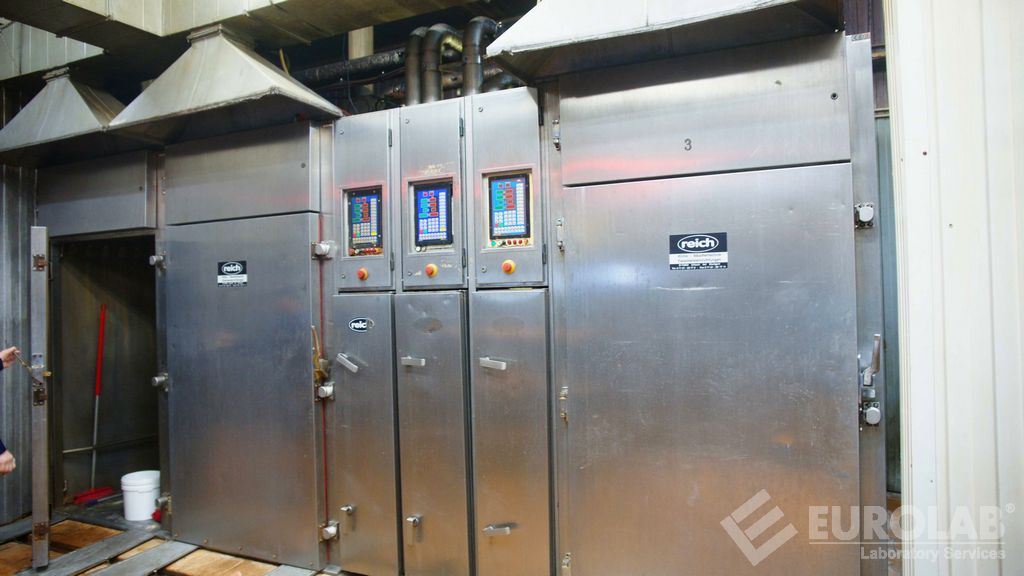
Among the numerous test, measurement, analysis and evaluation studies it provides for businesses in various sectors, our organization provides dry heat testing services that can be applied to both non-heat-emitting and heat-dissipating samples within the scope of IEC 60068-2-2 standard, with its trained and expert staff and advanced technological equipment. also gives.
To get an appointment, to get more detailed information or to request an evaluation, you can ask us to fill in our form and reach you.

