Solar Radiation Test
Solar radiation is energy emitted by the Sun in the form of electromagnetic waves, particularly visible light, ultraviolet (UV), and infrared (IR) radiation. It is the primary energy source of Earth's climate system and drives processes such as photosynthesis, weathering, and ocean currents.
The components of solar radiation are:
- Visible light: Light that is most commonly seen as sunlight.
- Ultraviolet (UV): Higher energy waves that are partially absorbed by the atmosphere.
- Infrared (IR): It is felt as heat and is responsible for warming the earth.
- Smaller amounts of X-rays, microwaves, and radio waves.
About 30 percent of solar radiation is reflected back into space. The rest is absorbed by the atmosphere, land, and oceans, fueling processes such as heat and evaporation.
Solar radiation testing is performed to evaluate the effects of sunlight on materials, devices, systems, or organisms. The primary reasons for these tests are:
- Material durability: Sunlight, especially UV radiation, can cause material deterioration (e.g., discoloration, brittleness, corrosion). Tests determine how durable plastics, paints, textiles, or building materials are when exposed to sunlight.
- Product performance: Products like solar panels, spacecraft, and vehicle coatings are tested for their performance against solar radiation. For example, the energy efficiency of solar panels or the resistance of space equipment to extreme radiation are measured.
- Climate and environmental research: Solar radiation is a critical parameter for climate models and energy balance. Tests are conducted to understand atmospheric radiation levels, the impact of cloud cover, or the solar impact on global warming.
- Health and biological effects: Tests are conducted to examine the effects of UV radiation on human health (skin cancer, eye damage) or plant growth. This is important for safe sunscreen formulations or agricultural planning.
- Standard Compliance: In many industries (automotive, aviation, construction), solar radiation testing is mandatory to verify that products comply with specific standards. This ensures product longevity and safety.
- Energy production optimization: To improve the efficiency of solar energy systems, solar radiation levels in different geographies are measured. This provides critical data for solar power plant site selection and design.
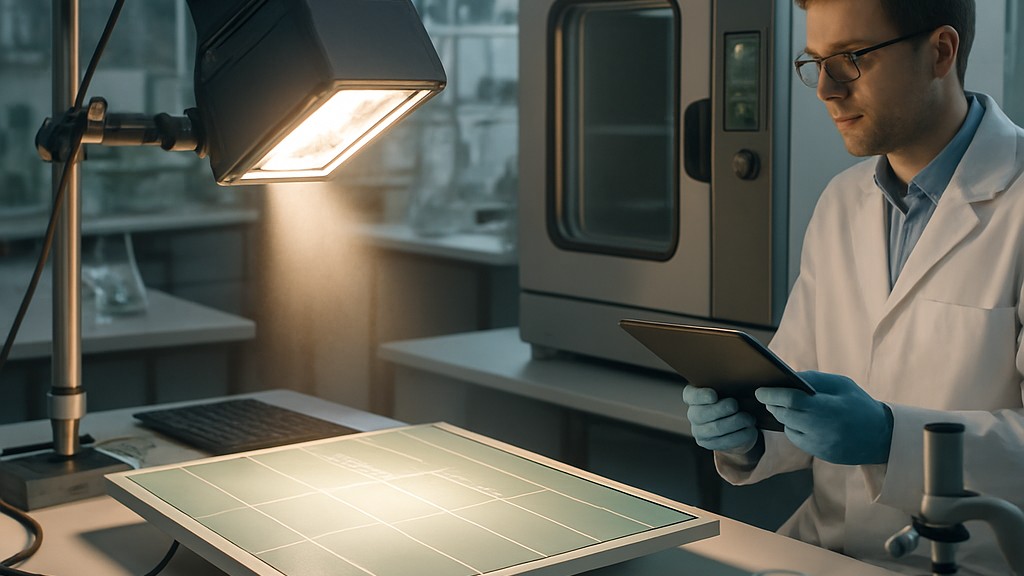
Solar radiation is typically simulated in laboratories using UV lamps, xenon arc lamps, or natural sunlight. Tests include factors such as temperature, humidity, and radiation intensity to mimic real-world conditions.
Solar radiation testing methods are standardized procedures used to simulate and evaluate the effects of solar radiation on materials, products, or systems. These tests mimic the sun's electromagnetic radiation (specifically UV, visible, and infrared) under controlled conditions to evaluate durability, performance, or safety. The following are some of the most commonly used basic methods:
- Accelerated weathering tests: Artificial light sources that mimic the sun's spectrum simulate prolonged exposure to sunlight over a short period of time. The tests use xenon arc lamps (the most common, which mimic the entire solar spectrum), UV fluorescent lamps (focusing on UV-A or UV-B), or carbon arc lamps (the older method). Standards are followed, including ISO 4892, ASTM G155, and ASTM G154. This method is used to test coatings, plastics, textiles, and automotive parts for fading, cracking, or deterioration.
- Natural outdoor exposure testing: Evaluates long-term effects by exposing samples to actual sunlight in real-world environments. It's typically performed in high-radiation areas, maximizing exposure. Testing adheres to ASTM D4364 and ISO 877. This method validates laboratory tests or materials such as roofs, solar panels, or paints under natural conditions.
- UV exposure testing: This method focuses specifically on the effects of UV radiation, as UV is the most damaging component of sunlight for many materials. Tests use UV-A or UV-B fluorescent lamps or special UV chambers. ISO 16474-3 and ASTM D4587 standards are followed. This method evaluates UV-induced degradation in polymers, fabrics, or cosmetics (for example, sunscreen effectiveness).
- Solar simulator testing: Solar simulators are used to simulate the spectrum and intensity of sunlight for precise and repeatable testing. The tests use high-intensity lamps (xenon or metal halide) with filters appropriate for the solar spectrum. They comply with IEC 60904 and ASTM E927 standards. This method tests the performance of solar panels, aerospace components, or thermal systems under controlled solar conditions.
- Space environment simulation: Tests materials or equipment for excessive solar radiation in space, where atmospheric filtering is absent. Tests use solar simulators or vacuum chambers containing synchrotron light sources to simulate unfiltered solar radiation, including UV, X-rays, and high-energy particles. Standards are followed, including ECSS-Q-ST-70-06C and ASTM E512. This method is used for satellites, spacecraft coatings, or astronautical equipment.
- Spectroradiometric measurements: Measures the spectral distribution and intensity of solar radiation to understand its impact or calibrate test equipment. Spectroradiometers or pyranometers are used in tests to measure specific wavelengths or total irradiance. These standards are followed by ISO 9050 and ASTM E903. This method characterizes solar radiation for energy studies, material properties, or environmental monitoring.
- Solar radiation thermal testing: Evaluates how materials or systems handle heat generated by solar radiation. Tests use solar concentrators or infrared lamps to simulate solar heating. Standards are ISO 12567 and ASTM E781. This method is suitable for building materials, vehicle interiors, or solar energy systems.
Our organization, with its competent and experienced team, has been understanding our clients' needs for years, providing them with advanced testing services, and assisting them in establishing, implementing, and improving management systems. In this context, we also provide solar radiation testing services to businesses.