
The standard "ISO 20200 Plastics - Determination of the degree of degradation of plastic materials under composting conditions in a laboratory-scale test," developed by the International Organization for Standardization (ISO), describes a method for determining the degree of degradation of plastic materials when exposed to a laboratory-scale composting environment. However, this method is not applicable for determining the biodegradability of plastic materials under composting conditions. Further testing is required before compostability claims can be made.
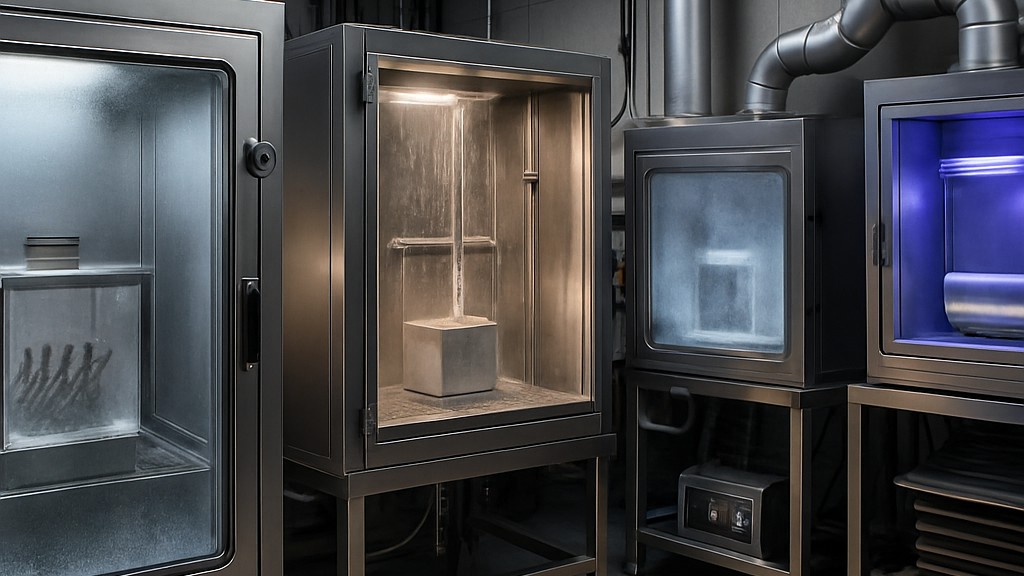
The test method described in this standard determines the degree of degradation of plastic materials when exposed to a composting environment. This method does not require specialized bioreactors and is scaled for use in any general-purpose laboratory. It requires the use of standardized and homogeneous synthetic solid waste. Synthetic waste components are dry, clean, and safe products that can be stored in the laboratory without any odor or health concerns. Synthetic waste has a constant composition and does not contain undesirable plastic materials that could be mistakenly identified as test material at the end of the test and affect the final evaluation. The volume of synthetic waste to be composted and bioreactors is small (approximately 3 l). With limited test material, this method provides a simplified testing procedure.
For the purposes of this standard, the following terms and definitions apply:
The ISO 20200 standard is critical for assessing how plastics break down in controlled composting environments and contributing to the development of sustainable materials. This standard specifies a standardized procedure for measuring the physical breakdown of plastics into smaller pieces when exposed to a simulated composting environment.
The primary objective of the ISO 20200 standard is to determine the degree of degradation of plastic materials in a controlled composting environment. This is particularly important for assessing the environmental impact of plastics designed for composting, such as biodegradable or compostable plastics. By helping manufacturers and researchers understand how plastics behave under composting conditions, this standard helps design materials that comply with circular economy principles.
The ISO 20200 test method involves subjecting plastic samples to a laboratory-scale composting environment that mimics intensive aerobic composting. Key elements of the methodology include:
This method is accurate but limited by fragmentation, meaning it doesn't assess whether the plastic is fully biodegradable or compostable. Such claims require further testing.
The ISO 20200 standard is widely used in industries and research for the following purposes:
For example, studies have applied the ISO 20200 standard to evaluate bio-derived polyurethane foam compositions to gain insight into degradation behavior using techniques such as thermogravimetric analysis and infrared spectroscopy.
The ISO 20200 standard plays a vital role in developing sustainable plastic solutions. By providing a reliable method for testing degradation, it helps:
However, this standard does not address biodegradability, highlighting the need for complementary testing to fully validate compostability claims.
Each revision to this standard has increased the applicability and sensitivity of the standard by reflecting advances in composting technology and environmental science.
As a result, the ISO 20200 standard is a critical tool for assessing the degradation of plastics in composting environments and supporting the development of sustainable materials. While it does not assess biodegradability or compostability, it provides baseline data for manufacturers and researchers aiming to produce environmentally friendly plastics. By standardizing degradation tests, this standard contributes to global efforts to reduce plastic waste and promote a circular economy.
Our organization, which has been serving for many years and meticulously following global developments in science and technology, employs a team of experienced professionals and a broad infrastructure to conduct testing, measurement, and analysis in a wide range of areas for businesses across all sectors. In this context, we also provide testing services in accordance with the ISO 20200 Plastics - Determination of the degree of degradation of plastic materials under composting conditions in a laboratory-scale test.
To get an appointment, to get more detailed information or to request an evaluation, you can ask us to fill in our form and reach you.

