
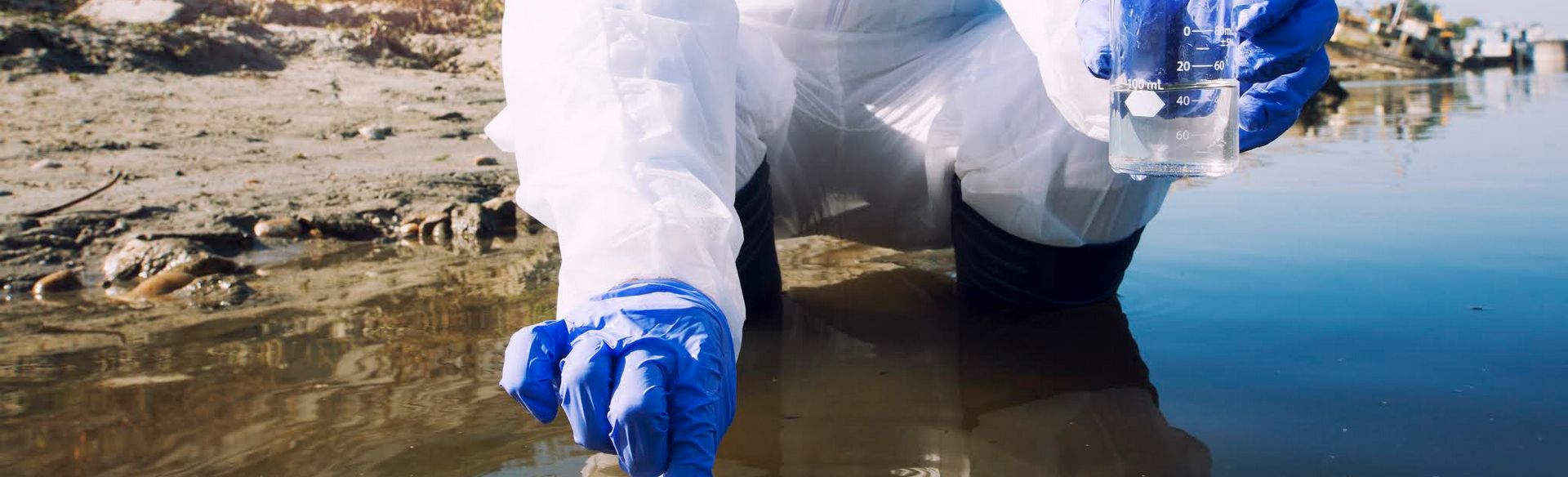
Within the scope of the National Index of Environmental Methods (NEMI), which creates a database containing environmental methods, protocols, statistical and analytical methods and procedures and develops standard methods, the SM 2540 D method, which includes a test method for the determination of suspended solids (SS), has been developed.

This method has also been approved by the American Environmental Protection Agency (EPA) for legal use. In the framework of the application of this method, solids refer to suspended or dissolved substances in potable, surface and salt water, as well as in domestic and industrial wastewater. Solids can adversely affect water or waste quality in a number of ways. Waters with a high dissolved solids content are generally less palatable and may cause an undesirable physiological reaction in the consumer. For this reason, 500 mg/L dissolved solids limit is applied for drinking water. High mineral waters are also unsuitable for many industrial applications. Water with high suspended solids content is not aesthetically pleasing for bathing and other purposes.
Solids analyzes are important for controlling water and wastewater treatment processes and assessing compliance with legal requirements.
In the tests and analyzes carried out in our organization, which has a wide range of technological equipment, trained and experienced staff and applies the most modern methods, national and international standards and legal regulations in force are complied with. Among the numerous tests performed in this context, there are also suspended solids (AKM) determination (SM 2540 D Method) services.
To get an appointment, to get more detailed information or to request an evaluation, you can ask us to fill in our form and reach you.

