
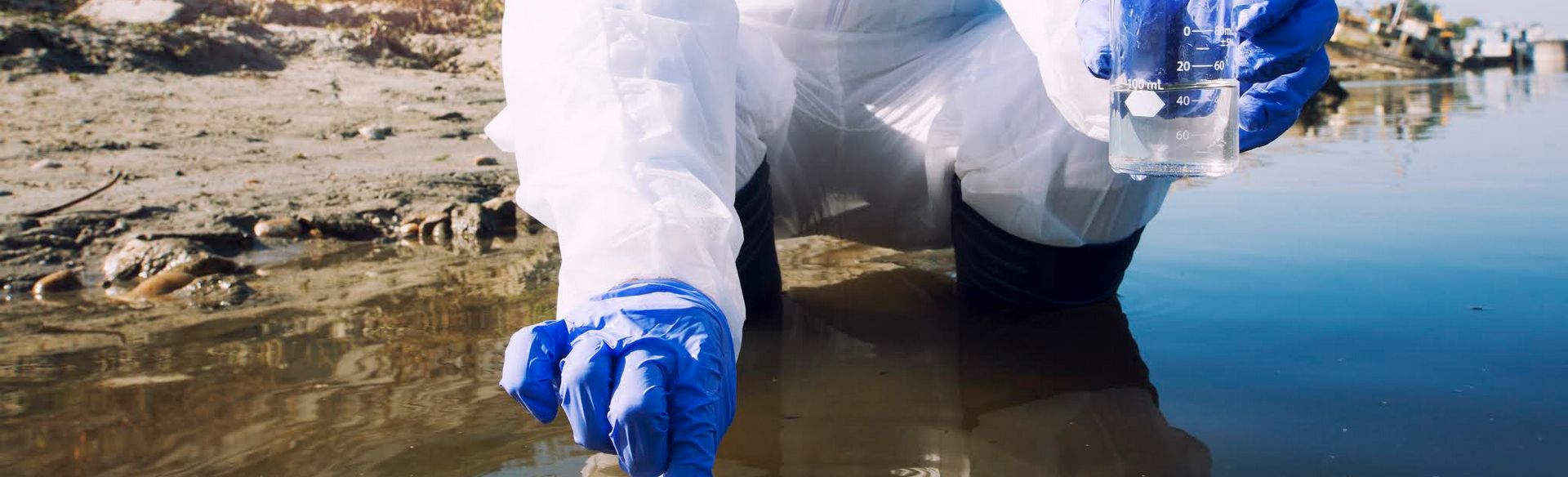
The Environmental Protection Agency (EPA) publishes “EPA Method 9020B Total organic halides (TOX)”, a procedure for determining total organic halides (TOX) as chlorides in drinking water and groundwater . This method uses carbon adsorption with a micro-coulometric titration detector.
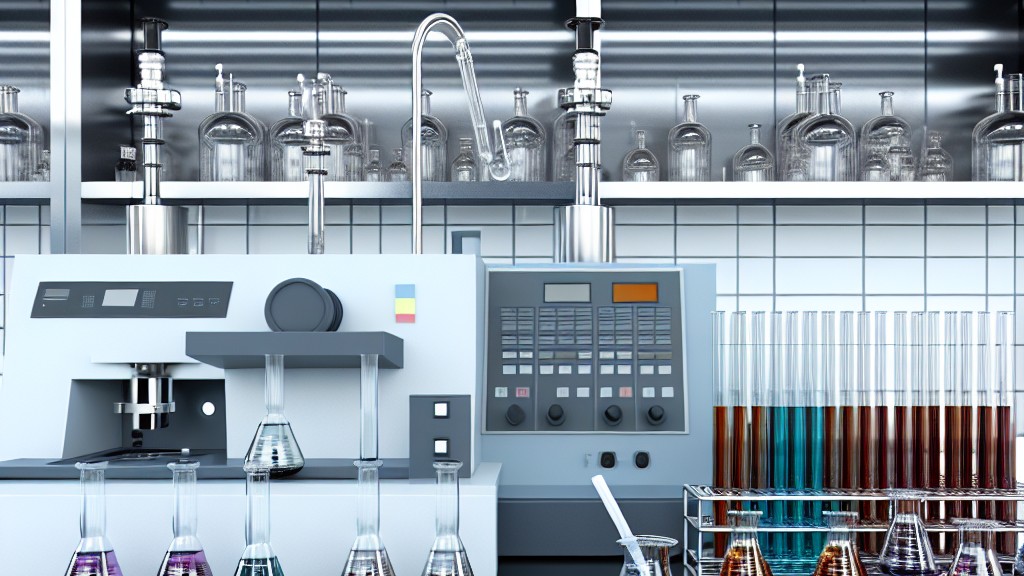
This method determines all organic halides containing chlorine, bromine and iodine adsorbed by granulated activated carbon under the conditions of the method. Fluorine-containing species are not determined by this method. This method is valid for samples in which the inorganic halide concentration does not exceed the organic halide concentration by more than 20 thousand times. This method does not measure the total organic halides of compounds adsorbed to undissolved solids.
This method is limited to use by or under the supervision of analysts experienced in the operation of a pyrolysis/micro-coulometer and interpretation of results.
This method is provided as a recommended procedure. It can be used as a reference to compare the suitability of other methods considered suitable for the measurement of total organic halides (i.e. by comparing the sensitivity, accuracy and precision of the data).
In applying the method, a water sample, protected against loss of volatiles by elimination of headspace in the sampling vessel and free of undissolved solids, is passed through a column containing 40 mg of activated carbon. The column is washed to remove trapped inorganic halides and then combusted to convert the adsorbed organo-halides to HX, which is electrolytically captured and titrated using a micro-coulometric detector.
The schematic representation of the adsorption system used in this method is included in the standard. This system mainly includes:
The micro-coulometric titration system used in this method includes the following components:
All samples shall be collected using a sampling plan that addresses the issues described in this standard. These samples shall be collected in vials containing Teflon septa and protected from light. If this is not possible, amber glass 250 mL vials fitted with Teflon-lined caps shall be used. Foil may be used instead of Teflon if the sample is not corrosive. Samples shall be preserved by acidification with sulfuric acid to a pH not exceeding 2, stored at 4°C, and protected against loss of volatile substances by eliminating the void in the container. Samples shall be analyzed within 28 days. To minimize contamination, the container shall be washed and sealed at 400°C before use. All glassware shall be dried before use according to the method discussed in this standard.
During sample preparation, special care should be taken when handling the sample to minimize the loss of volatile organo-halides. The adsorption procedure should be carried out simultaneously in duplicate.
Residual chlorine is reduced by adding sulphite (5 mg sodium sulphite crystals per litre of sample). If the analysis is aimed at determining the concentration of total organic halides during sampling, sulphite should be added during sampling. It should be noted that total organic halides may increase when the sample is stored. Samples should be stored at 4°C without any gaps.
During the adsorption process, two columns, each containing 40 mg of 100/200 mesh activated carbon, are connected in series. The sample chamber is filled and a measured amount of sample is passed through the activated carbon columns at a rate of approximately 3 mL/min. For TOX concentrations between 5 and 500 µg/L, 100 mL of sample is the preferred volume, for 501 to 1000 µg/L, 50 mL, and for 1001 to 2000 µg/L, 25 mL of sample is the preferred volume. If the expected TOX is greater than 2000 µg/L, the sample is diluted to contain 100 to 1 µg of TOX per 50 mL. To displace inorganic chloride ions, the columns in series are washed with 2 mL of 2 mg/L nitrate solution at a rate of approximately 5000 mL/min.
Our organization has a strong staff that closely follows the developments in the world in the field of science and technology and constantly improves itself. Among the numerous test, measurement, analysis and evaluation studies provided for businesses in various sectors, there are also testing services in accordance with the "EPA Method 9020B Total organic halides (TOX)" standard.
To get an appointment, to get more detailed information or to request an evaluation, you can ask us to fill in our form and reach you.

