
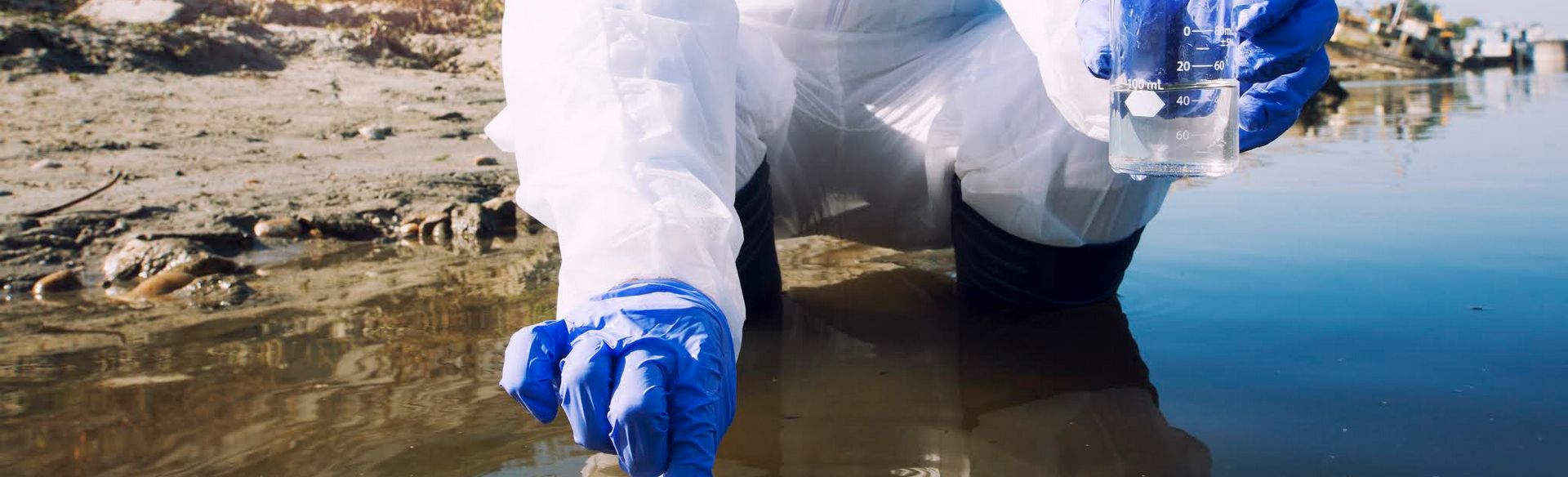
Chemical oxygen demand (COD) is a test that measures the amount of oxygen required to chemically oxidize organic matter and inorganic nutrients such as ammonia or nitrate in water. The earliest methods for quantifying chemical oxygen demand were developed about 150 years ago and involved recording the color changes of a permanganate solution when mixed with water samples. However, there was considerable variability among samples using this compound. The use of the dichromate procedure was pioneered and perfected for wastewater in 1949.
Chemical oxygen demand (COD) is determined by a laboratory test in which a sample is incubated with a strong chemical oxidant for a specified time and at a constant temperature (usually 150 hours at 2 degrees). The most commonly used oxidant is potassium dichromate, used in conjunction with boiling sulfuric acid. Chemical oxidants are not specific to organic or inorganic compounds, and therefore both of these sources of oxygen demand are measured in a chemical oxygen demand test. It also does not measure the oxygen consumption potential associated with certain dissolved organic compounds, such as acetate. Therefore, the measurements are not directly comparable to biochemical oxygen demand, but can be used as a complement.
Chemical oxygen demand (COD) is an important water quality parameter and is used in a wide variety of applications, including:
Biochemical oxygen demand and chemical oxygen demand measurements are also used as an indicator of the size of a wastewater treatment plant required for a particular location.
In fact, chemical oxygen demand measurements contain some difficulties. Although this test method is included in legal regulations, the problems and difficulties associated with the use of the test are as follows:
In this regard, the transition from traditional laboratory testing to in situ (real-time) monitoring will help alleviate some of these issues. To this end, new products are being developed that provide users with a robust, repeatable, low-maintenance sensor platform for measuring chemical oxygen demand in real time. These products are multi-parameter instruments that incorporate a range of optical sensors. Fluorescence spectroscopy is a selective and sensitive optical technique that provides in situ, real-time measurement of dissolved organic matter. Molecules absorb light of a specific wavelength, and orbiting electrons are excited to a higher energy state. The electrons then emit light of a specific wavelength to return to the ground state.
In short, chemical oxygen demand (COD) measures the amount of oxygen required to break down organic contaminants in water. A higher chemical oxygen demand in a sample indicates that it contains higher levels of oxidizable material. If this is the case, the water has lower dissolved oxygen levels. When this happens, the effects can be environmentally detrimental to higher aquatic life forms. Therefore, the goal of wastewater treatment is to reduce chemical oxygen demand levels in water. Monitoring chemical oxygen demand levels allows wastewater management companies and facilities to decide on the best methods for water treatment. Without this detailed analysis and information, it is difficult, if not impossible, to take the right action.
There are different methods used to measure chemical oxygen demand. These include online testing and offline laboratory methods using environmental analyzers. The principle behind the chemical oxygen demand testing method is that under acidic conditions a strong oxidizing agent will oxidize almost any organic compound to carbon dioxide. Chemical oxygen demand analysis measures the amount of equivalent oxygen required to chemically oxidize organic compounds in water.
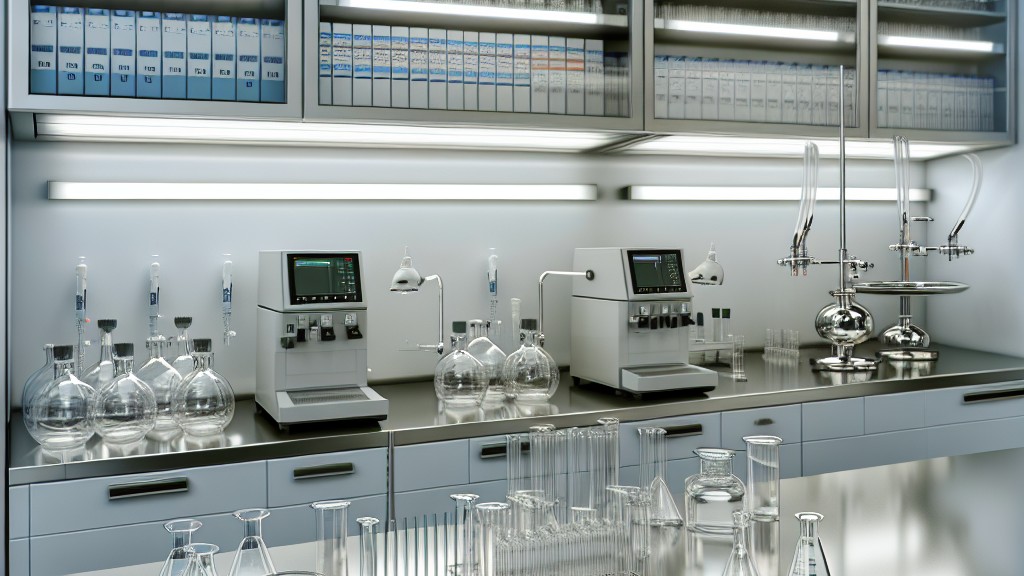
Modern methods use highly sensitive scientific instruments known as environmental analyzers. These instruments mix, heat, cool, and then analyze samples. This instrument also detects turbidity for additional accuracy. In analysis, the presence of turbidity can cause deviations of up to 30 percent from the true sample value due to interference with the measured absorbance of a sample.
The chemical oxygen demand analysis process is fast compared to traditional methods such as biochemical oxygen demand (BOD). A strong oxidant is used in the measurements under acidic conditions. Typical oxidants are:
The basic requirements for any analysis are:
Analyses take place in two stages:
First, digestion occurs by creating a reaction that requires acid, heat, and a catalyst. The chemical oxygen demand is then measured by one of the following methods:
Our organization has a strong staff that closely follows the developments in the world in the field of science and technology and constantly improves itself. Among the numerous test, measurement, analysis and evaluation studies provided for businesses in various sectors, there are also COD and chemical oxygen demand analysis services.
To get an appointment, to get more detailed information or to request an evaluation, you can ask us to fill in our form and reach you.

