
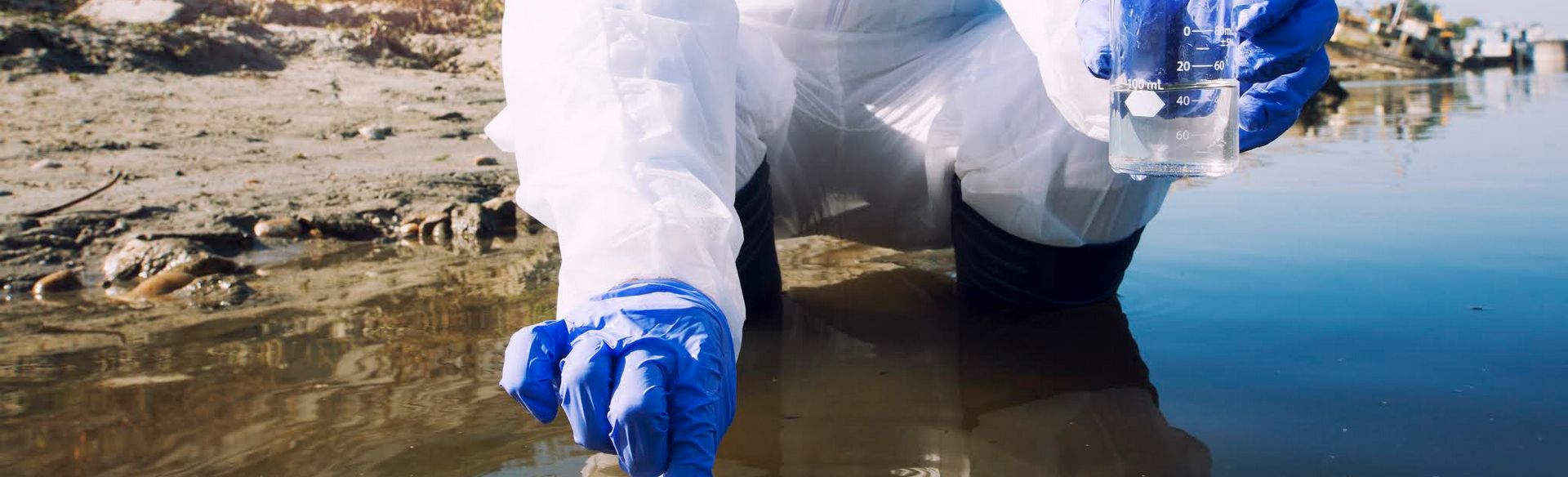
Within the scope of the National Index of Environmental Methods (NEMI), the SM 2540 F method, which includes a test method for the determination of settleable solids, has been developed.

Water is a good solvent and collects particles easily. Pure water is tasteless, colorless and odorless water and is often referred to as the universal solvent. Dissolved solids means any mineral, salt, metal, cation or anion dissolved in water. Total dissolved solids are inorganic salts, mainly calcium, magnesium, potassium, sodium, bicarbonates, chlorides and sulfates, and some small amounts of water-soluble organic substances.
Total solids consist of dissolved solids and suspended and settleable solids in water. Dissolved solids in running water consist of calcium, nitrate, phosphorus, iron, sulfur, chlorides, and other ionic particles that pass through a porous filter approximately 2 microns in size . Suspended solids include clay particles, plankton, algae, fine organic debris, and other particulate matter. These are particles that do not pass through a 2-micron filter.
Settable solids also affect water clarity, reduce the transmission of light through the water, and slow photosynthesis by aquatic plants. Water heats up faster and retains more heat. This adversely affects aquatic life, which adheres to a lower temperature regime.
In the tests and analyzes carried out in our organization, which has a wide range of technological equipment, trained and experienced staff and applies the most modern methods, national and international standards and legal regulations in force are complied with. Among the numerous tests performed in this context, there are also settleable solids determination (SM 2540 F method) services.
To get an appointment, to get more detailed information or to request an evaluation, you can ask us to fill in our form and reach you.

