
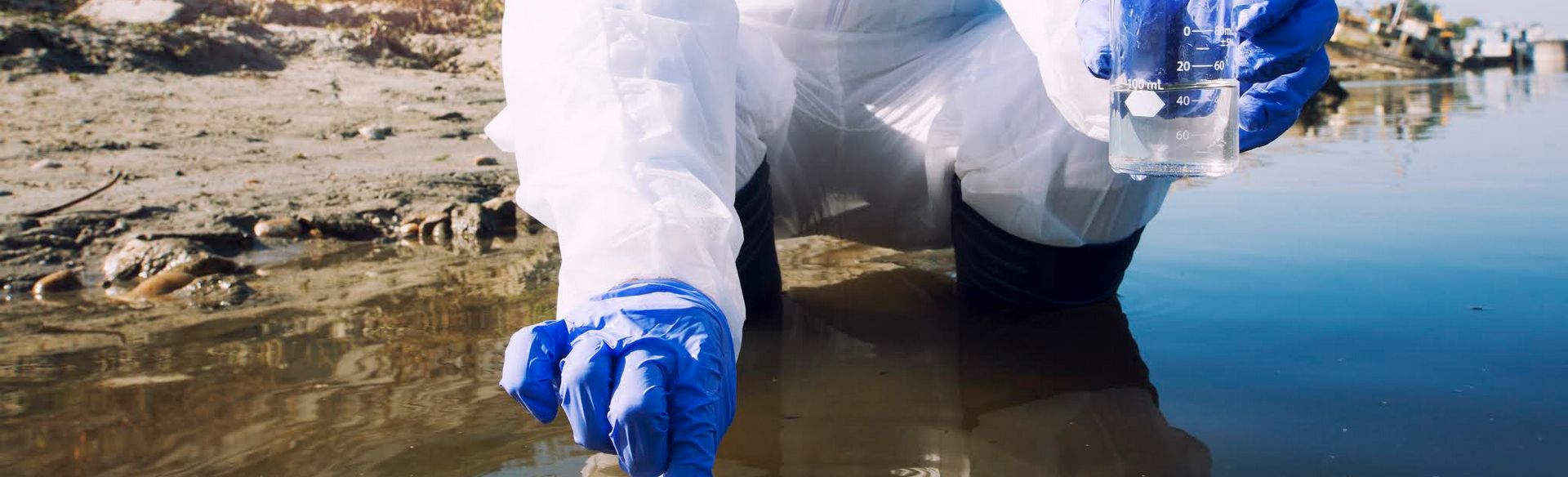
A body of water contains small amounts of dissolved oxygen. This oxygen is in small amounts, but is necessary for aquatic life. Biochemical oxygen demand usually indicates how much oxygen is needed to break down organic matter in the water.
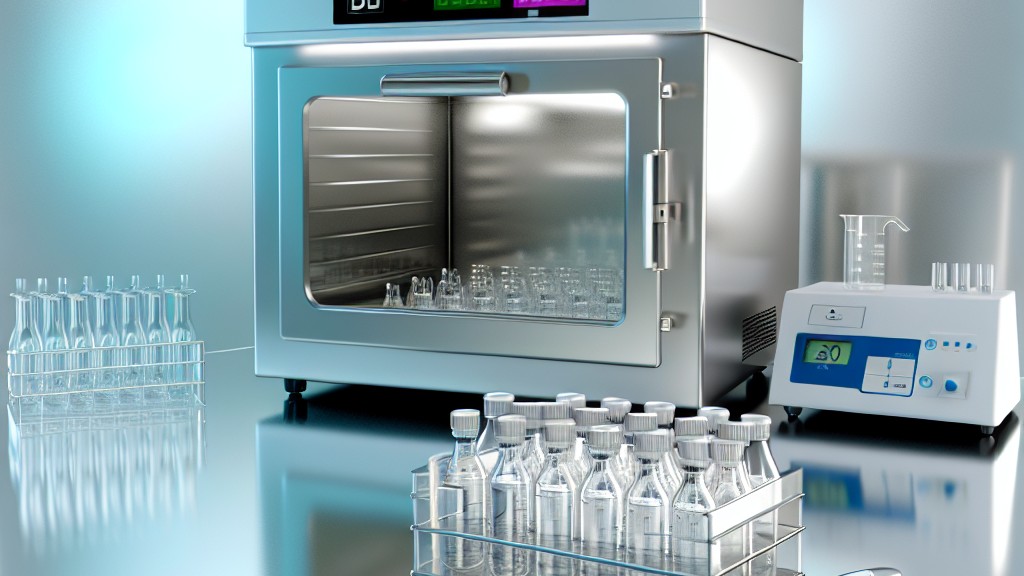
The average lake or stream contains small amounts of oxygen in the form of dissolved oxygen. Although dissolved oxygen is small in quantity, up to about ten molecules of oxygen per million of water, it is an important component of natural water bodies. The presence of adequate dissolved oxygen concentrations is critical to maintaining aquatic life and the aesthetic quality of streams and lakes.
The presence of adequate dissolved oxygen concentrations is critical for maintaining aquatic life and the aesthetic quality of streams and lakes. Determining how organic matter affects dissolved oxygen concentration in a stream or lake is an integral part of water quality management. The decomposition of organic matter in water is measured as biochemical or chemical oxygen demand. Oxygen demand is a measure of the amount of oxidizable substances in a water sample that can reduce dissolved oxygen concentrations.
Certain environmental stresses (e.g., summer temperatures) and other anthropogenic factors (e.g., excessive fertilizer application to a water body) can reduce the amount of dissolved oxygen in a water body, which can stress local aquatic life. A water analysis used to better understand the effect of bacteria and other microorganisms on the amount of oxygen they consume when decomposing organic matter in an aerobic (oxygen present) environment is a measure of biochemical oxygen demand.
Determining how organic matter affects the dissolved oxygen concentration in a stream or lake is an integral part of water quality management. BOD, biological oxygen demand, is a measure of the amount of oxygen required to remove waste organic matter from water during the decomposition process by aerobic bacteria (bacteria that live only in an oxygen-containing environment). Waste organic matter is stabilized or rendered non-objectionable by decomposition by living bacterial organisms that require oxygen to do their job. Biological oxygen demand analyses are often used in wastewater treatment plants as an index of the degree of organic pollution in water.
Biological oxygen demand is an important parameter for assessing water quality. It is related to the amount of oxygen consumed by aerobic biological organisms to oxidize organic compounds.
Sewage containing biological oxygen demand can cause a decrease in oxygen in the receiving waters, which can cause the death of some organisms. High biological oxygen demand facilitates anaerobic processes, but a large excess can lead to the death of bacteria.
Biological oxygen demand analyses mimic the oxygen demand in nature by incubating a closed water sample at a controlled temperature (usually 5 degrees) for a specified period (usually 20 days) and determining the amount of oxygen required by suitable aquatic microorganisms. Automatic systems and analyzers for biological oxygen demand can be used in conjunction with other parameters (e.g. pH value, turbidity, conductivity alkalinity).
In short, when microorganisms such as bacteria break down organic matter under aerobic conditions in water bodies, they consume oxygen. The amount of oxygen consumed is known as biological oxygen demand (BOD), but is sometimes also called biochemical oxygen demand. Although water contains oxygen molecules, this is not used by aquatic life. Instead, all life in water bodies uses dissolved oxygen, which is present in small volumes (approximately 10 oxygen molecules per million of water).
Oxygen enters water bodies mostly through the atmosphere, but also through groundwater discharge. In general, fast-moving waters, such as rivers, contain more oxygen than still waters, such as lakes and ponds. This means that water needs sufficient dissolved oxygen to be healthy.
Chemical oxygen demand (COD) is an alternative method for estimating how much oxygen will be consumed by bacterial decomposition of organic matter. The test uses a strong oxidising agent to chemically oxidise organic matter in a wastewater sample under conditions of heat and strong acid. The figures obtained from chemical oxygen demand (COD) are higher than the figures obtained from biological oxygen demand (BOD) due to the processes involved.
Dissolved oxygen levels fluctuate naturally, but can be affected by intense heat and by fertilisers and other organic matter that humans put into the water. Organic matter is decomposed in the water by microorganisms such as bacteria, which consume oxygen in the process. When organic matter levels increase, dissolved oxygen levels decrease. This has a greater impact on stagnant water bodies than on rivers. When hot summers or periods of drought are added, it is easy to see how conditions in the water environment can be nutrient-rich. Cold water generally has a greater capacity to store dissolved oxygen. The resulting oxygen-depleted water creates the perfect environment for algal blooms, which are then consumed by bacteria, leading to further oxygen depletion, making it very difficult for aquatic life to survive and causing the water body to die. Nutrient-rich discharges into water bodies are of particular concern.
Biological oxygen demand comes from organic matter that ends up in a water body. Some of these very natural products of the environment include fallen leaves and branches, plants, seeds, grass, animal droppings and manure, and even dead animals. In the modern world, sources of biological oxygen demand increasingly come from human activities: fertilizers, wastewater from industrial processes, waste paper, food processing plants, animal feed, septic tanks, urban stormwater runoff, and other forms of pollution.
Our organization has a strong staff that closely follows the developments in the world in the field of science and technology and constantly improves itself. Among the numerous test, measurement, analysis and evaluation studies provided for businesses in various sectors, there are also BOD, biological oxygen demand analysis services.
To get an appointment, to get more detailed information or to request an evaluation, you can ask us to fill in our form and reach you.

