
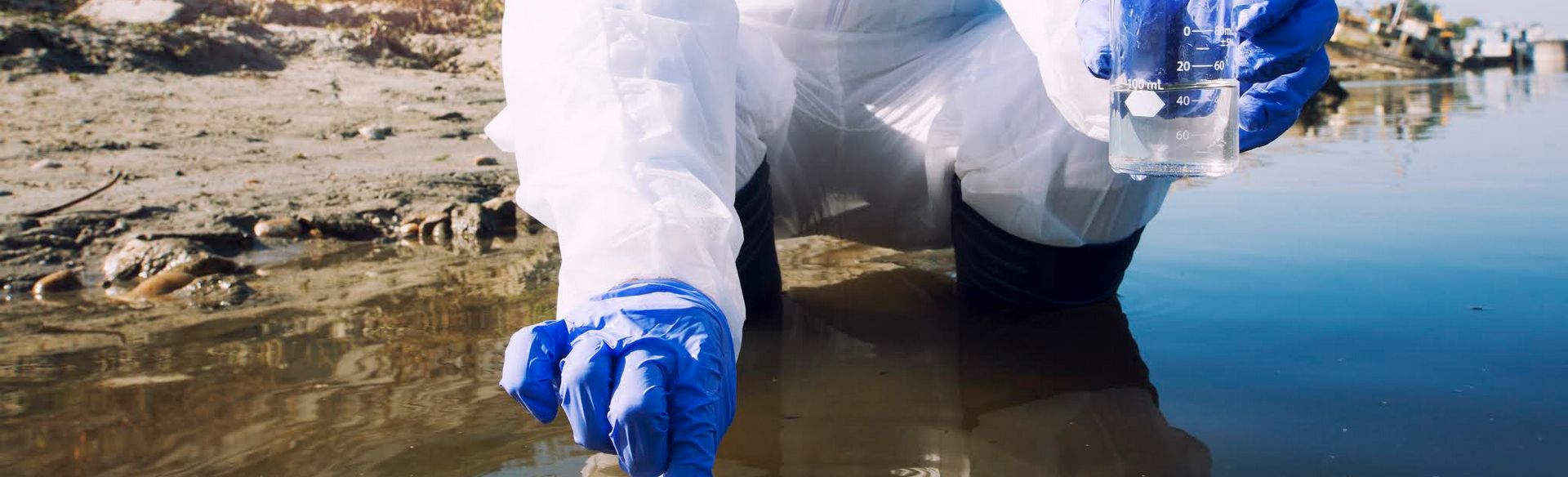
The SM 3030 K method, which includes a test method for the determination of metals, has been developed within the scope of the National Environmental Methods Index (NEMI), which creates a database containing environmental methods, protocols, statistical and analytical methods and procedures and develops standard methods.

The main metals analyzed in water and wastewater within this framework are: aluminum, arsenic, copper, barium, boron, mercury, zinc, iron, phosphorus, silver, cadmium, tin, calcium, chromium, cobalt, lead, magnesium, manganese, nickel, potassium, selenium, sodium, thallium, and vanadium. The SM 3030 K method describes the general pretreatment of metal samples, with various exceptions. Specific combustion techniques for mercury and additional methods for arsenic and selenium are covered in other standards. During pretreatment, contact with rubber, metal-based paints, paper towels, and all metal products, including those made of stainless steel and galvanized metal, should be avoided.
Especially heavy metals enter the human body through respiration, nutrition and skin and begin to accumulate in the tissues. Since it is not easily excreted from the body, it causes poisoning and serious damage over time. In addition, heavy metals pollute wastewater and cause environmental pollution.
In the tests and analyzes carried out in our organization, which has a wide range of technological equipment, trained and experienced staff and applies the most modern methods, national and international standards and legal regulations in force are complied with. Among the numerous tests performed in this context, there are also metals determination services (SM 303 K method).
To get an appointment, to get more detailed information or to request an evaluation, you can ask us to fill in our form and reach you.

