
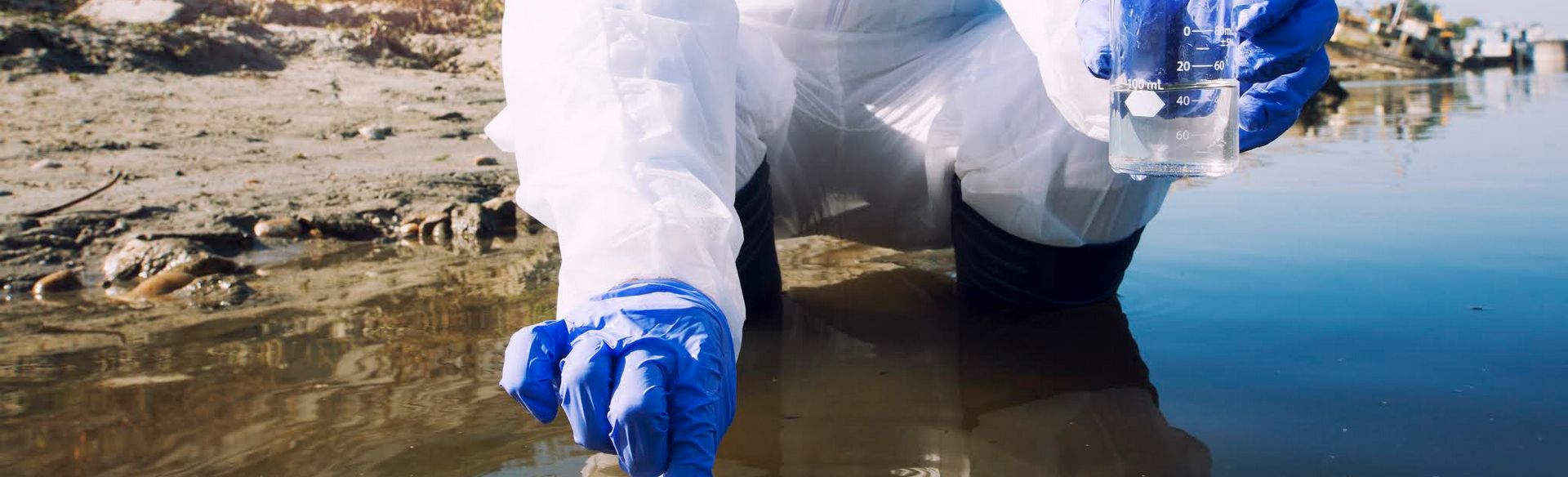
Within the scope of the National Index of Environmental Methods (NEMI), the SM 4500-S2-D method, which includes a test method for sulfur determination, has been developed. Sulfur is generally found in groundwater and sediments. It is produced by the decomposition of organic matter and the bacterial reduction of sulfate. Sulfur is sometimes found in industrial or municipal wastewater. Hydrogen sulfide escaping into the air from sulfur-containing wastewater causes odor disturbances. The threshold odor concentration of hydrogen sulfide in clean water is between 0,025 and 0,25 μg/L. Gaseous hydrogen sulfide is highly toxic and has claimed the lives of many workers. At high toxic levels, it interferes with the olfactory system of humans and gives a false impression that hydrogen sulfide is not present in the environment.
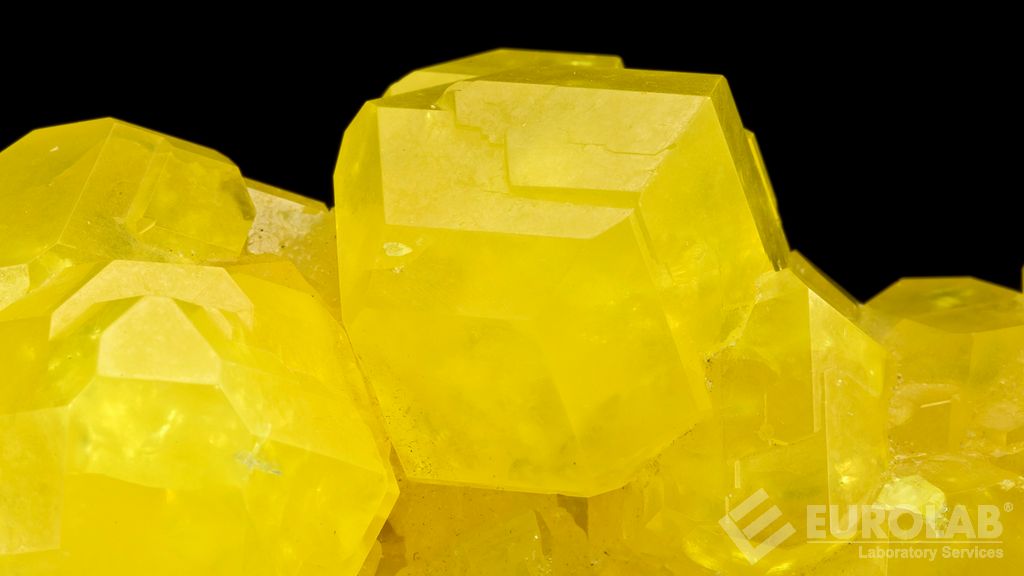
Sulfur directly attacks metals and indirectly causes severe corrosion in concrete sewers because in the presence of oxygen it is biologically oxidized to sulfuric acid in the pipe wall. Dissolved hydrogen sulfide is also toxic to fish and other aquatic organisms.
Hydrogen sulfide combines with iron and other metals in natural sediments and muds to form slightly soluble precipitates.
Four sulfur categories are defined in water, wastewater, and sediment: total sulfur, dissolved sulfur, acid volatile sulfur, and non-ionized hydrogen sulfide.
In the tests and analyzes carried out in our institution, which has a wide range of technological equipment, trained and experienced staff and applies the most modern methods, national and international standards and legal regulations in force are complied with. Among the numerous tests performed in this context, there are also sulfur determination (SM 4500-S2-D method) services.
To get an appointment, to get more detailed information or to request an evaluation, you can ask us to fill in our form and reach you.

