
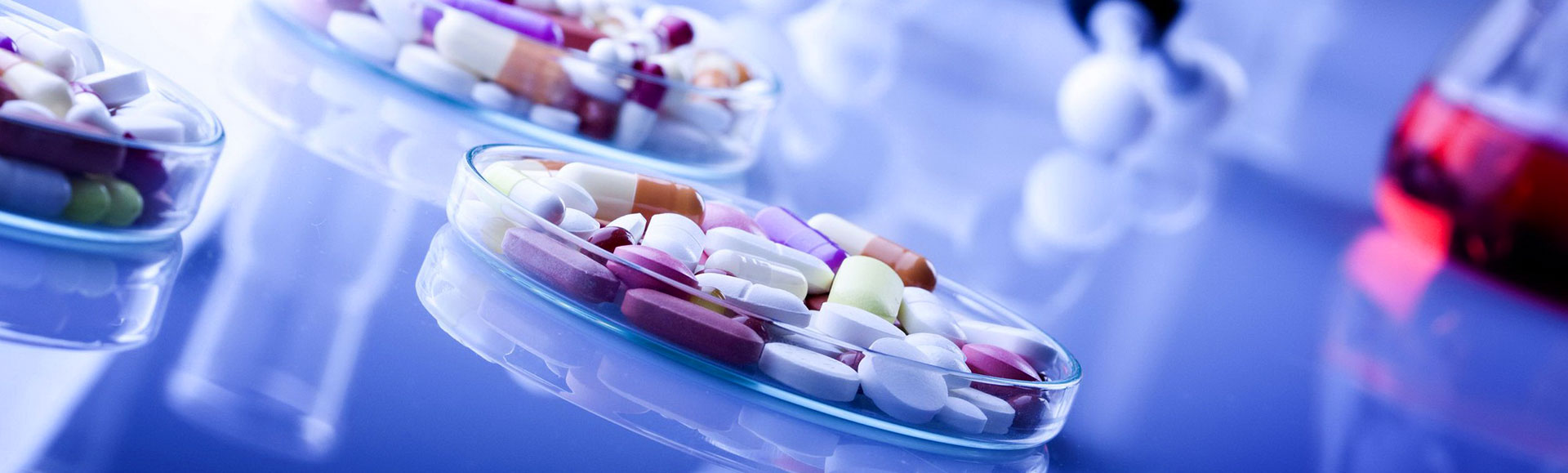
Disinfectant tests are used to verify sanitizing agents for efficacy against organisms, which is an area of increasing concern to manufacturers and regulatory agencies. Disinfectant effectiveness must be ensured before a new disinfectant is released to the market. In addition, manufacturers must verify disinfectant regimes for cleanrooms and other controlled areas.
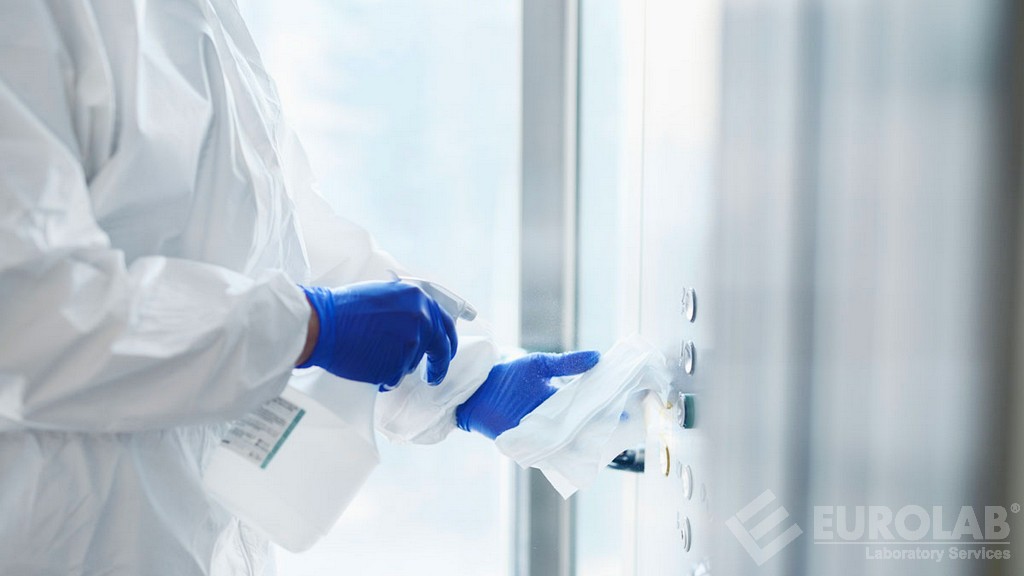
The materials tested typically include household and industrial disinfectants, sporicides, fungicides, and hand sanitizers. Disinfectant testing is done to many different standards, including the Official Analysis Methods of AOAC International and USP General Section 1072. We are well versed in conducting general disinfectant efficacy tests to generate kinetic killing curves for a wide variety of organisms.
The disinfectant validation test is to ensure that the cleaning and disinfectant procedure performed for a controlled room is sufficient to prevent microbial contamination on objects or surfaces. USP section <1072> provides guidance on a disinfectant regimen regarding the reduction of viable microorganisms and spores. Environmental isolates are widely used by the sponsor to validate the disinfectant program used on their site. Validation verifies that the cleaning and disinfectant program used by the sponsor and followed during validation is effective and suitable for the surfaces and the controlled environment. The risk of the manufacturer not to validate the cleaning and disinfection could result in the FDA 483, the warning letter, or the release of the unsafe product.
In the disinfectant test procedure, representative surfaces scaled for laboratory testing are called "coupons". Test coupons should be allowed to be sterilized.
Sterile coupons are tested with 10-30 µL of culture or spore suspension. The suspension is spread evenly over a 1 inch area and then dried. The threat culture may contain an organic soil such as 5% blood serum to further increase the difficulty of disinfection on demand.
The verification test aims to verify the actual disinfection process used by the sponsor in its facilities. EUROLAB He is well versed in many administration methods and can make adjustments based on the sponsor's testing needs. Examples of disinfectant application include direct spraying or wiping with a sterile towel saturated with disinfectant. The exposure time during which the disinfectant comes into contact with the inoculated coupons can also be adjusted to accommodate the sponsor's methods.
Following the disinfection procedure, the treated coupons are aseptically transferred to the neutralizing medium and extracted to remove any surviving microorganisms. The number of surviving organisms are tested and counted, and percent and log reduction values are calculated. The panel of organisms selected for this test may also change with the sponsor's recommendation to use environmental isolates from specific facilities. It is recommended to select a representative organism for the test, including but not limited to: Gram-positive bacteria, Gram-negative bacteria, fungi, mold spores, and Gram-positive spore-forming bacteria. Best industry practice is to test using environmental isolates.
In the neutralization validation and extraction efficiency test of test disinfectants, each organism / disinfectant / coupon combination tested is included in each test, as well as for positive and negative controls. The neutralization test proves that the test method used adequately neutralizes any antimicrobial agent in the product that might interfere with the test.
EUROLAB, with its highly expert team and internationally accredited laboratories, Disinfectant Tests It performs all test, analysis, measurement, evaluation and report generation services completely and reliably.
To get an appointment, to get more detailed information or to request an evaluation, you can ask us to fill in our form and reach you.

