

The "USP 871 Sutures - Needle Attachment" standard, published by the American Pharmacopoeia (USP), describes the requirements and test methods for evaluating the needle attachment strength of surgical sutures. This standard plays a critical role in ensuring that sutures used in medical procedures are safe, reliable, and mechanically sound.
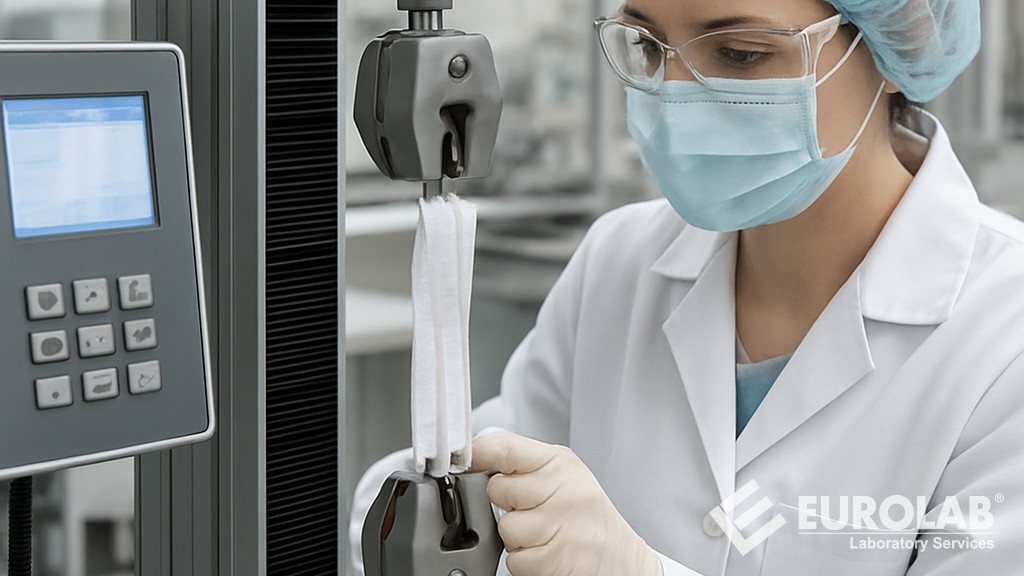
Surgical sutures are commonly used in wound closure, and their performance depends not only on the suture material but also on the integrity of the needle-suture connection. The USP 871 standard addresses this critical interface.
The USP 871 standard applies to:
This standard ensures that the connection between the needle and the suture can withstand the forces encountered during surgical procedures and does not fail.
Standard needle-attached absorbable and non-absorbable surgical sutures are designed so that the needles are securely attached and not intended to be separated. Eyeless needle-attached sutures fall into the category of standard needle attachment or removable needle attachment. The removable needle attachment of both absorbable and non-absorbable surgical sutures is such that the needle can be intentionally separated from the suture with a quick pull. Both attachment types have been tested on equipment specified in the “USP 881 Tensile Strength” standard.
The primary objectives of the USP 871 standard are as follows:
In conclusion, compliance with this standard contributes to patient safety and surgical efficiency.
The USP 871 standard defines two basic pin connection types:
The USP 871 standard test method evaluates the force required to separate the needle from the stitch. The procedure generally follows these steps:
The connection must meet the minimum tensile strength requirements defined by USP. Failure must occur above a specified threshold to ensure safe performance.
According to the USP 871 standard, a needle-and-thread assembly must provide the following:
In the medical sector, this standard is crucial for patient safety. A needle that detaches during surgery can lead to the following:
The USP 871 standard minimizes these risks by implementing rigorous connection strength criteria.
Manufacturers must comply with USP standards for the following reasons:
The main areas where the USP 871 standard is applied are as follows:
The USP 871 standard complements other USP standards relating to medical devices and microbiological quality. For example,
Together, these standards ensure comprehensive quality control in healthcare products.
In short, the USP 871 standard addresses one of the most critical failure points in surgical sutures: the connection between the needle and the thread. Without a strict standard for this, both patient safety and surgical reliability are at risk. This standard is considered necessary for the following reasons:
In conclusion, the USP 871 standard is a vital standard ensuring the mechanical integrity of needle-suture assemblies. By defining rigorous testing methods and acceptance criteria, this standard helps manufacturers deliver safe, reliable, and effective products for surgical applications. In modern healthcare settings where precision and safety are paramount, compliance with the USP 871 standard is essential for maintaining high-quality surgical outcomes and patient confidence.
For many years, our organization, with its competent and experienced team, has been understanding the needs of its clients, providing the advanced testing services they require, and assisting them in the establishment, implementation, and improvement of management systems. Within this framework, we also provide testing services compliant with USP 871 certification.
To get an appointment, to get more detailed information or to request an evaluation, you can ask us to fill in our form and reach you.

