
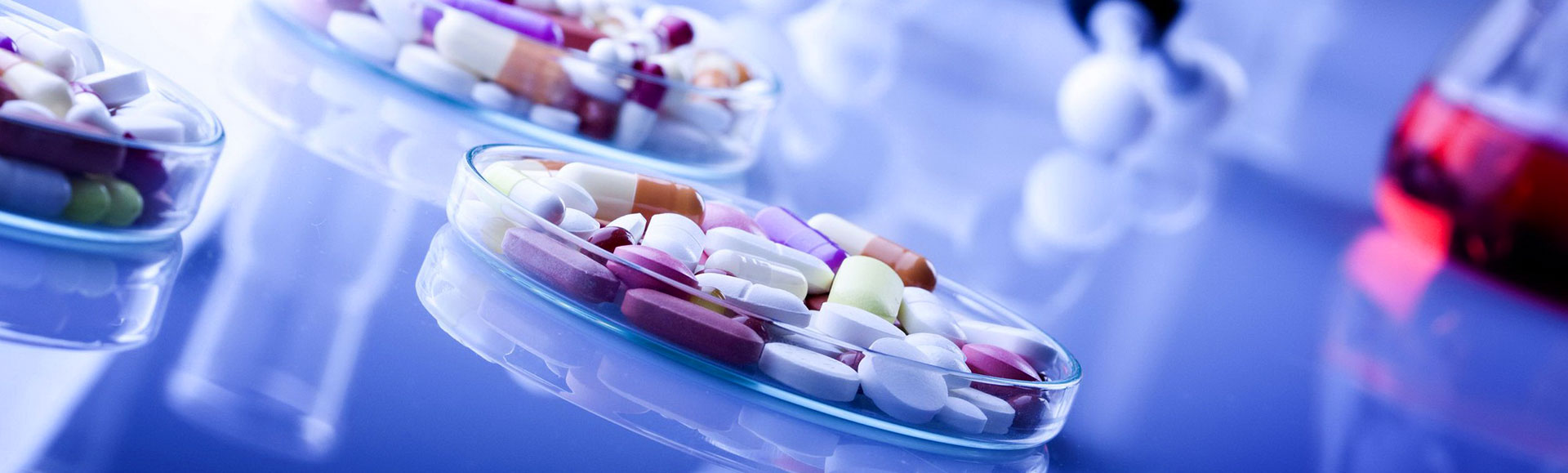
Any drug development process must go through certain stages to produce a product that is safe, effective and meets all regulatory requirements: discovery, product characterization, formulation, delivery and packaging development, pharmacokinetics and drug disposal, preclinical toxicology testing, bioanalytical testing, and clinical trials.
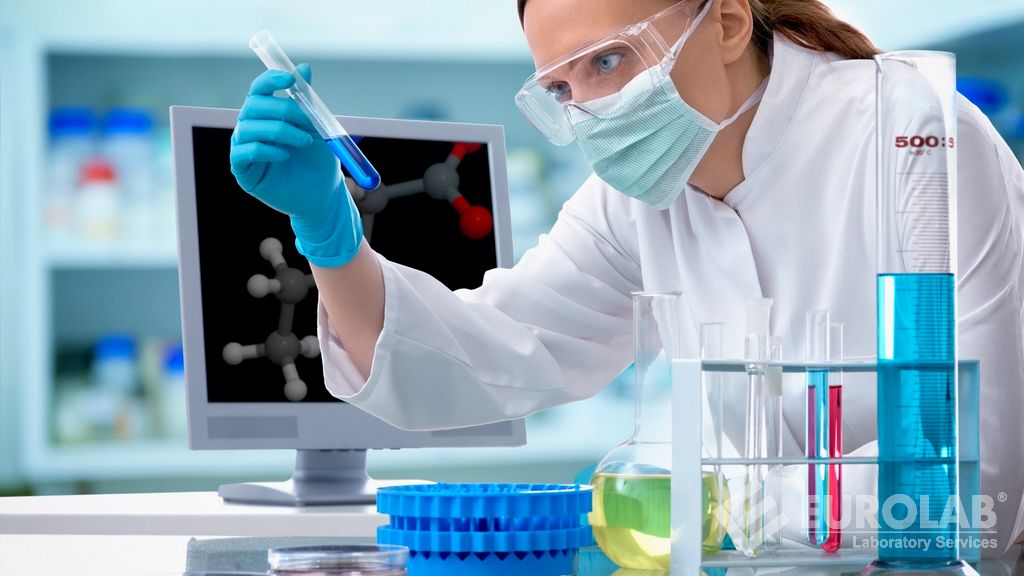
Reconnaissance usually begins with target identification. It is the selection of a biochemical mechanism involved in the case of a disease. Drug candidates discovered in pharmaceutical and biotechnology research laboratories are tested for interactions with the drug target. For each potential drug candidate, up to 10 molecules are subjected to a detailed screening process that includes functional genomics and other screening methods. After scientists confirm the interaction with the drug target, they usually confirm this target by checking the activity against the disease state for which the drug is being developed.
At the product characterization stage, when the candidate molecule shows promise therapeutically, the size, shape, strengths and weaknesses of the molecule, preferred conditions for maintaining function, toxicity, bioactivity and bioavailability should be determined. Characterization studies go through analytical method development and validation.
Pharmaceutical companies should design a formulation that provides appropriate drug delivery parameters. It is crucial to begin prospective clinical trials at this stage of the drug development process. At this stage, the stability of the drug is determined for the formulation itself and all parameters related to storage and transportation such as temperature, light and time. The formulation must remain potent, sterile and safe (non-toxic).
In preclinical tests, the bioactivity, safety and efficacy of the formulated drug product are analyzed. This test is critical to the eventual success of a drug and is scrutinized by many regulatory agencies. The main phases of preclinical toxicology testing are: acute studies, repeated dose studies, genetic toxicity studies, reproductive toxicity studies, carcinogenicity studies, and toxicokinetic studies.
Bioanalytical laboratory work and bioanalytical method development support many of the other activities in the drug development process. Bioanalytical studies are key to proper characterization of the molecule, assay development, to develop optimal methods for cell culture or fermentation, to determine process yields, and to provide quality assurance and quality control for the entire development process.
Clinical trials are completed in three phases: Phase I Human pharmacology), Phase II Therapeutic discovery, and Phase III Therapeutic validation.
Our organization carries out very different testing, analysis, measurement, control and evaluation activities for businesses in various sectors. In these studies, it always follows domestic and foreign standards and applicable legal regulations. Our organization, which has a trained and experienced staff and advanced technological facilities, also provides drug development testing services within the scope of medical drug tests to companies that request it.
To get an appointment, to get more detailed information or to request an evaluation, you can ask us to fill in our form and reach you.

