

Parenteral dosage forms are administered as an injection or infusion, hence the term injectable. Common types of injection are intravenous (into a vein), subcutaneous (under the skin) and intramuscular (intramuscular). Infusions are typically given intravenously. Parenteral dosage forms include sterile solutions, suspensions, and emulsions.
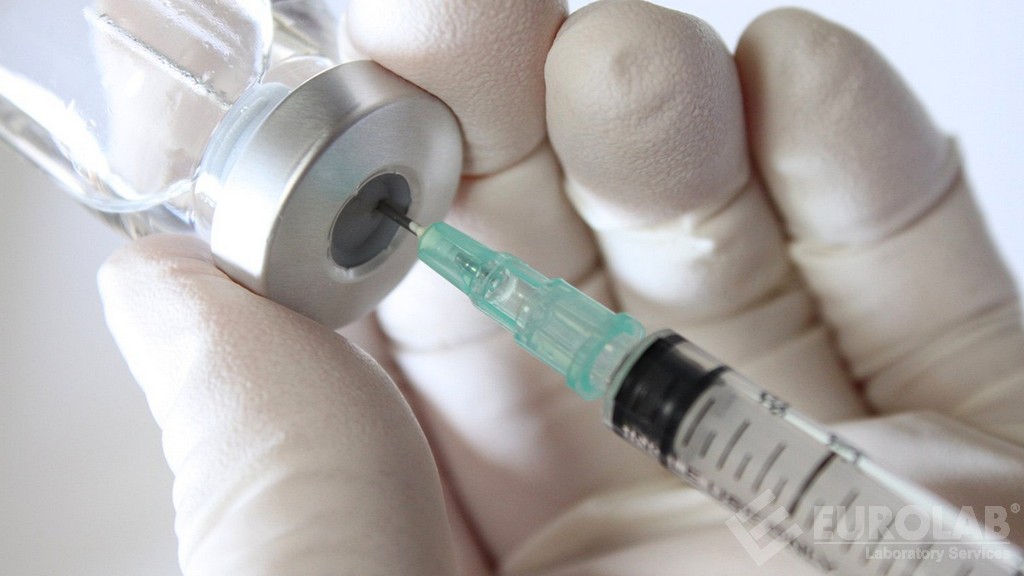
Parenterals are classified by volume; A small volume parenteral (SVP) has a solution volume of 100 mL or less per unit pack (as defined by the USP) and is intended for intermittent intravenous administration (usually defined as an infusion duration not longer than 6-8 hours). SVPs can be packaged in ampoules, vials, pre-filled syringes, vials, and plastic bags.
Alternatively, a large volume parenteral (LVP) unit has a solution volume of 250 mL or greater per pack and is designed for longer term intravenous administration. Common uses of additive-free LVP solutions include: 1) correction of electrolyte and fluid balance disturbances; 2) nutrition; and 3) means for administering other drugs. Typical LVP packaging systems include glass bottles and plastic bags with or without a vent.
Global regulators view parenterals / injectables as a high risk of negative consequences from their packaging. For example, in Table 1999 of the FDA 1 Container Closure Guidelines, the high likelihood of a packaging dosage resulting from injections and injectable suspensions, interactions, and management. There is a slightly lower risk for injectables in USP <1664> based on the lower probability of interference.
Given this classification, Table 2 of the FDA Guidelines states that extensive testing, including the USP Bioreactivity Test and possibly extraction / toxicological assessment, is required to determine if the packaging has an acceptably small negative impact on patient health. Similarly, the European Medicines Agency's (EMEA) Emergency Packaging Guidelines suggest that parenteral packaging systems (and building materials) must be tested in rigorous means (mandatory compliance, extraction studies, interaction (leaking migration) studies and toxicological information). ensure their safe use. Finally, rigorous testing for the selection and adequacy of packaging materials and systems applicable to parenterals and injectables is described in several mandatory USP chapters, including <660> (glass).
In addition to the high risk associated with a parenteral and their packaging, parenterals and their packaging have some unique properties that complicate the chemical and biological safety assessment. Firstly, parenteral packaging is compositionally diverse consisting of a large number of building materials including elastomers, glass, stainless steel, LDPE, HDPE, PP, PETG, COC, COP, PVC, multi-layer films, etc. The universe of potentially complex compositions, potential foreign drug product impurities (extractables and leaks) is large and chemically diverse.
In addition, packaging systems can be complex, consisting of not only the primary container, but also auxiliary or secondary components such as printing, labels, top wraps, linkage and stabilization devices (eg oxygen absorbers), all of which are extractable and leaking sources. In addition, parenteral formulations are chemically complex and diverse, thus possessing "leakage powers" that are variable and potentially aggressive, potentially presenting great challenges in terms of their analytical characterization. Also, the contact conditions between a parenteral and its packaging can be relatively harsh, increasing the possibility of leakage. For example, packaged parenterals can be subjected to high energy sterilization (by thermal or irradiation) or have a relatively long shelf life.
While these conditions deeply affect the complexity of the chemical and biological tests used to ensure the safety of parenteral packaging, the most important feature of parenterals that make safety assessments so difficult is the relatively large daily dose volumes. Simply put, the health of patients using pharmaceutical products is adversely affected by the dose of the leachate to which they are exposed, and it is the biggest adverse effect that occurs with the highest dose of the most toxic substances.
In this case, the dose is related to the concentration of the leachate in the drug product, and the toxicity is related to the identity of the leaker. Therefore, the main analytical task in chemical safety assessment is the discovery, identification and quantification of spills in pharmaceutical products or extracts (as potential leaks) in extracts. Practically, such a task becomes impossible if performed to the extent of identifying and quantifying all leaks (extracts) that can be extracted or the number of leachable becomes too large, which can be detected by sophisticated analytical methods used in extractable and leachable tests.
To address this point, the analytical assessment threshold (EEC) has been developed based on the hypothesis that there is an impurity dose that creates a safety threshold. Below this threshold, a pollution will have a negligible negative impact on patient safety regardless of its intrinsic toxicity (identity). Above this threshold, the potential impact of an impurity must be established based on its identity.
To be analytically useful, this dose must be divided by the daily dose volume to a concentration. The larger the daily dose volume, the smaller the EEC and the lower the concentration at which extractable and leachate must be identified. For example, the safety concern threshold (SCT) recommended by PQRI for parenteral drug products is 1.5 µg / day. For an SVP with a daily dose volume of 10 mL, the resulting 0.1 0.1 µg / mL (150 ppb) EEC can be difficult to achieve in chemically complex parenterals. For an LVP with a daily dose volume of 1 liter, the 1,5 ppb EEC can be difficult even with the simplest parenteral drug product. Such an "EEC challenge" makes the removable and leaky profiling process even more difficult.
Conducting successful and practical removable and leaky assessments for parents requires excellence in study design, ability to conduct studies particularly in analytical testing, and a deep understanding of materials, removables, and leaks gained through extensive experience. With extensive experience EUROLABhas developed extensive expertise in designing and implementing chemical testing programs for injectables and parenterals utilizing state-of-the-art analytical techniques, highly trained and competent analytical scientists, and knowledgeable study directors. EUROLABhas a long history of successfully partnering with parenteral product and packaging manufacturers and vendors to effectively and efficiently secure regulatory approval for their products.
EUROLAB, with its highly expert team and internationally accredited laboratories, Injectable and Parenterals Tests It performs all test, analysis, measurement, evaluation and report generation services completely and reliably.
To get an appointment, to get more detailed information or to request an evaluation, you can ask us to fill in our form and reach you.

