
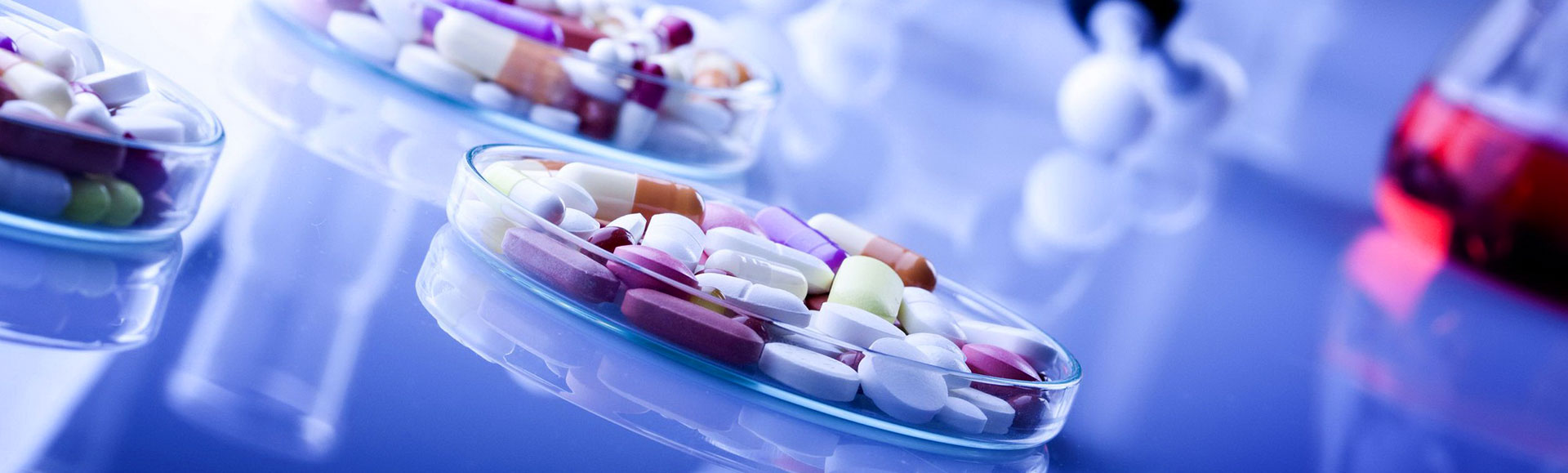
The demand for reliable drug susceptibility testing is increasing with the rate of spread of antituberculosis drug resistance and the need for appropriate treatment of multidrug-resistant tuberculosis in many parts of the world.
However, the reliability of drug susceptibility test results obtained by commonly used methods does not meet acceptable levels.
Drug susceptibility testing is a difficult procedure to adhere to standards, and proficiency in performing these tests primarily requires an understanding of the following factors:
In the drug susceptibility test performed in advanced laboratories, agar culture plates reveal the results of a drug susceptibility test.
Drug susceptibility testing is tests to find out if a person is drug resistant. In these tests, for example, it is determined which drugs the tuberculosis bacteria in their bodies are sensitive to. If a person is likely to have drug-resistant TB bacteria, it is important to identify this as soon as possible so that an effective treatment can be provided to the patient.
Historically, drug susceptibility testing has been done through bacterial culture and has required specialized laboratory facilities and trained personnel. Moreover, the tests took a very long time. However, recently new test methods are being used that are much easier to use but provide very limited information.
Drug susceptibility tests for tuberculosis are basically performed in two different ways. One type of test is culture, which involves looking at how bacteria behave. For example, it is determined whether bacteria multiply in the presence of tuberculosis drugs. Another type of testing involves looking for genetic mutations.
Resistance is caused by genetic mutations. One testing method therefore includes molecular drug susceptibility testing. In this approach, the mutations themselves are detected. Many resistance-related mutations have been identified and molecular tests have been developed to detect them. These test methods involve fast turnaround times, but are low sensitivity and costly for some compounds.
Beacon tests detect tuberculosis complex and associated resistance directly from sputum samples using a highly sensitive PCR instrument. The World Health Organization encourages the use of this test.
Another test method is the line probe assay method. These are drug susceptibility tests that use PCR methods for rapid detection of mutations associated with drug resistance. These tests are also designed to identify the tuberculosis complex and simultaneously detect mutations associated with drug resistance.
Our organization carries out very different testing, analysis, measurement, control and evaluation activities for businesses in various sectors. In these studies, it always follows domestic and foreign standards and applicable legal regulations. Our organization, which has a trained and experienced staff and advanced technological facilities, also provides drug sensitivity testing services within the scope of medical drug tests to companies that request it.
To get an appointment, to get more detailed information or to request an evaluation, you can ask us to fill in our form and reach you.

