

OECD procedure 439 describes an in vitro procedure used for hazard identification of irritant chemicals (substances and compounds). This test method is based on reconstructed human epidermis and, in its overall design, closely mimics the biochemical and physiological properties of the upper layers of human skin. Irritant test substances are defined by their ability to reduce cell viability below defined threshold levels (below or equal to 50 percent). Colored chemicals are also tested using a high-performance liquid chromatography (HPLC) procedure.
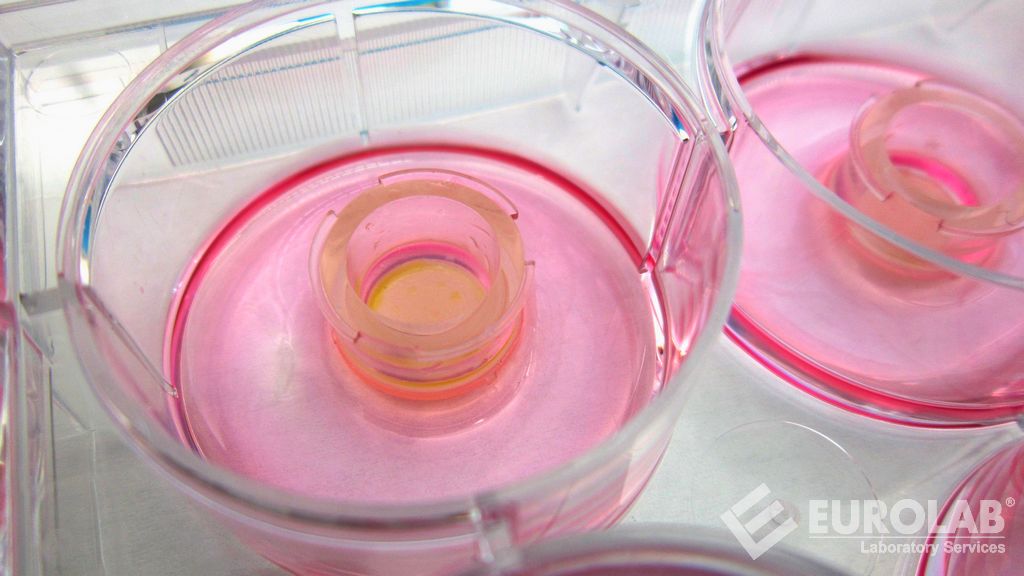
There are three approved test methods that comply with OECD procedure 439. Depending on the regulatory framework and the classification system in use, this procedure may
Reconstructed human epidermis is defined as human skin tissue obtained from an in vitro process in which human keratinocyte cells are cultured on an inert polycarbonate medium. This tissue has a great advantage for growing donor epidermal cells in a serum-free culture medium.
The function of the reconstituted human epidermis is crucial as an alternative animal experimental model to test the toxicity and effects of topical products, as current testing of cosmetic products with experimental animals is prohibited. In vitro testing using a reconstructed human skin epidermal tissue model is widely used in the cosmetic, pharmaceutical and chemical industries as an alternative to animal testing for a variety of applications including toxicity, efficacy, pharmacology and skin absorption studies.
The pharmaceutical and dermocosmetic industries use this method as a model for tests such as penetration rates of various substances into the skin, inflammatory reactions, effects of ultraviolet radiation, and hormone metabolism.
Among the numerous test, measurement, analysis and evaluation studies it provides for businesses in various sectors, our organization also provides in vitro skin irritation, reconstructed human epidermis testing services within the scope of OECD Procedure 439, with its trained and expert staff and advanced technological equipment.
To get an appointment, to get more detailed information or to request an evaluation, you can ask us to fill in our form and reach you.

