

Sterility testing for medical devices, pharmaceutical products, and radiopharmaceuticals, as defined in the "USP 71 Sterility Testing" standard published by the United States Pharmacopeia (USP), is a testing process required for sterilization verification and batch release. These tests are performed in three primary ways for the following applications:
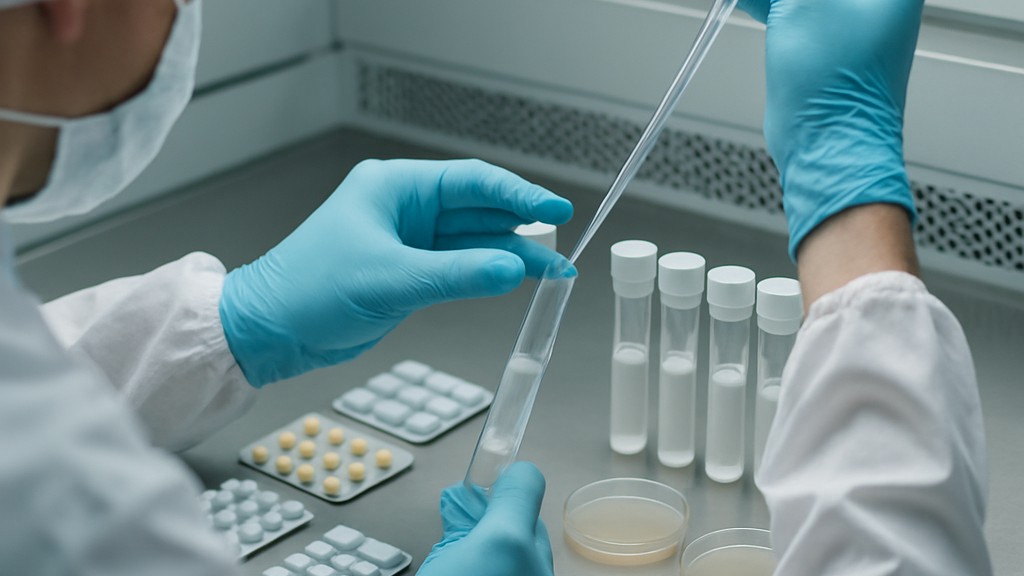
The media is examined during the 14-day incubation period for signs of microbial growth, including turbidity and pellicle formation. Any contaminants present are then confirmed and identified by agar streaks. As with all testing processes, membrane filtration testing equipment is validated to ensure accurate results. Membrane filtration is the preferred method, particularly for pharmaceutical products containing preservatives or other substances that inhibit microbial growth.
Direct transfer typically occurs in two types of media. Appropriate processes are followed to aseptically separate the product into two or more aliquots for testing in both types of media. Larger products are also handled, requiring identification, removal, and testing of contact areas. Samples are incubated for 14 days, during which time the media is regularly examined for signs of microbial growth.
Advanced laboratories adhere to all USP 71 Sterility test qualification guidelines. These include a compliance test, which ensures that microbes, if present, will grow in the test medium, and a verification test, which ensures that the test sample does not inhibit the growth of microbes through inertia. These verification processes are crucial to ensuring that a company's testing processes remain compliant and support its approval and release objectives.
The concept of method suitability testing is simple. A small number of microbes are added to the product, the product is filtered, and then placed on the filter medium. The product can also be inoculated directly into the medium. This medium is incubated for a maximum of 5 days. After incubation, if the detection of microbes is confirmed by visual turbidity and the test is repeated for a panel of Gram-negative organisms, Gram-positive organisms, molds, and yeasts, the suitability test will detect these organisms if they are present in the product during routine testing of a batch. However, the USP 71 test requires an incubation period of 14 days.
Pharmacopoeias worldwide use available data to determine the 14-day sterility threshold. Available data support the efficacy of the 14-day sterility method in recovering a variety of organisms:
The USP 71 standard provides all available data for sterility testing using this traditional method, supporting the method's ability to recover these organisms. The method's compliance testing simply indicates the general problems of a given product in recovering viable microbes.
In short, the USP 71 standard is vital to the pharmaceutical and biotechnology industries because it establishes guidelines for ensuring sterile products are free of viable microorganisms. This standard is important for the following reasons:
Our organization, which has been supporting businesses across all sectors for years through a wide range of testing, measurement, analysis, and evaluation activities, has a strong team of employees who closely follow global developments in science and technology and are constantly improving themselves. In this context, we also provide testing services that comply with the USP 71 Sterility Testing standard.
To get an appointment, to get more detailed information or to request an evaluation, you can ask us to fill in our form and reach you.

