

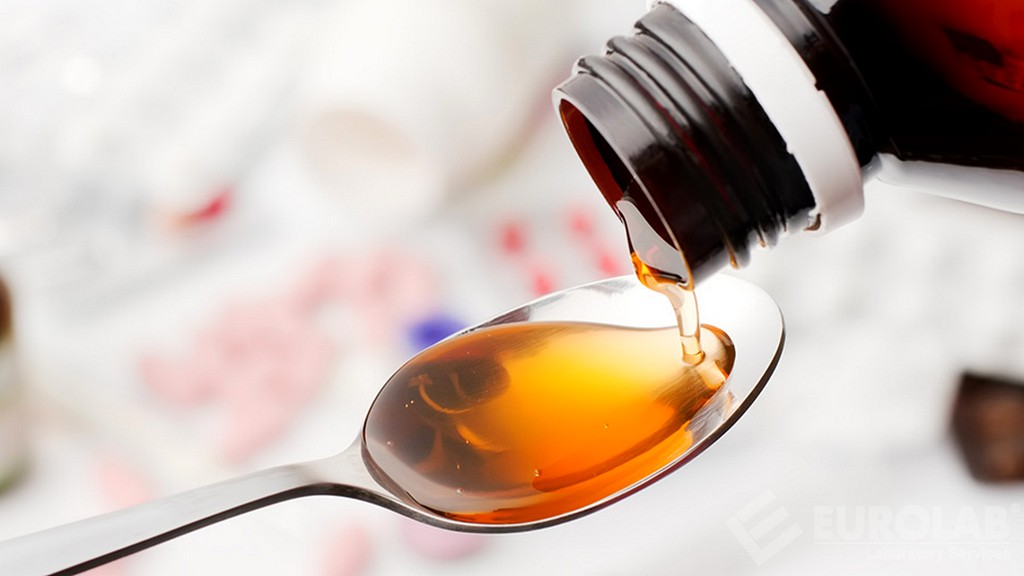
Oral liquids are homogeneous liquid preparations, usually consisting of a solution, an emulsion or a suspension of one or more active ingredients in a suitable liquid base. They are prepared for oral administration in this way or after dilution. Suitable dispersing, solubilizing, wetting, emulsifying, stabilizing, suspending and thickening agents and other agents such as antimicrobial agents for preservation. It may also contain suitable flavoring agents, flavoring agents and permitted coloring agents. The classes of oral liquid dosage forms include:
Global regulators consider that liquid oral dosage forms, especially solutions and suspensions, have a very low risk of adverse consequences from their packaging. In particular, it can be seen in Table 1999 of the FDA 1 Container Closure Guidelines that there is a high probability of a pack-dosage form interaction occurring and in management.
This moderate risk classification has been reaffirmed in USP <1664>. Given this classification, Table 2 of the FDA Guidelines states that minimum chemical or biological tests are required, and if the drug product is aqueous-based, typically a reference to indirect food additive regulations is sufficient. However, if the drug product contains co-solvents (or is expected to extract a larger amount of substance from the water), additional extractable information may be required.
Alternatively, the European Medicines Agency's (EMEA) Emergency Packaging Guidelines determine that packaging systems for liquid oral dosage forms (and their building materials) may require extensive testing, including extraction studies, migration studies, and toxicological assessment to ensure safety. use. Finally, suitable tests for the selection and qualification of packaging materials and systems applicable to liquid oral dosage forms are <660> (glass), <661.1> and <661.2> (polymers) and <381> (elastomers).
Given the considerable diversity in liquid oral dosage forms, particularly their formulation, packaging systems, and clinical use, it is difficult to make generalizations for this class of dosage forms regarding the proper design and administration of extractable and / or leaky studies. In some simple cases, for example, aqueous drug product, low daily dose volumes, and acute clinical use, it may be possible to directly screen the drug product for leaks at levels approaching their respective reporting thresholds (eg EEC), thereby minimizing the need. It may be necessary to conduct extraction studies to directly support the safety assessment.
In more complex situations, such as higher daily dose volumes and a drug product containing a co-solvent with chronic clinical use, screening the drug product for leaking substances in the EEC may not be technically feasible, and extraction studies (particularly simulation studies) play an important role in safe use assessment. . In either case, extraction studies can play an important role in activities other than direct safety assessment, including quality control of incoming materials and change control.
Conducting successful and practical extractable and leaching assessments for liquid oral dosage forms requires excellence in strategic planning (e.g., ensuring proper use of extraction or leaching studies), expertise in study design, ability to conduct studies, particularly in analytical testing, and material gained through extensive experience in extractables. An in-depth understanding of leakable and leaky materials is required. EUROLABhas developed extensive expertise in designing and implementing chemical testing programs that utilize state-of-the-art analytical techniques, highly trained and competent analytical scientists, and knowledgeable study directors.
EUROLAB, with its highly expert team and internationally accredited laboratories, Liquid Oral Dosage Forms Tests It performs all test, analysis, measurement, evaluation and report generation services completely and reliably.
To get an appointment, to get more detailed information or to request an evaluation, you can ask us to fill in our form and reach you.

