

Vitamins are organic compounds that humans need in small amounts, meaning they contain carbon. Most vitamins must be obtained from food because the body either doesn't produce them or produces them in very small amounts. Each organism has different vitamin requirements. For example, humans need to obtain vitamin C from their diet, while dogs can produce all the vitamin C they need. Vitamin D is not found in sufficiently large quantities in food for humans. The human body synthesizes the vitamin when exposed to sunlight, and the sun is the best source of vitamin D. Different vitamins play different roles in the body, and a person needs a different amount of each vitamin to stay healthy. There are currently 13 recognized vitamins.
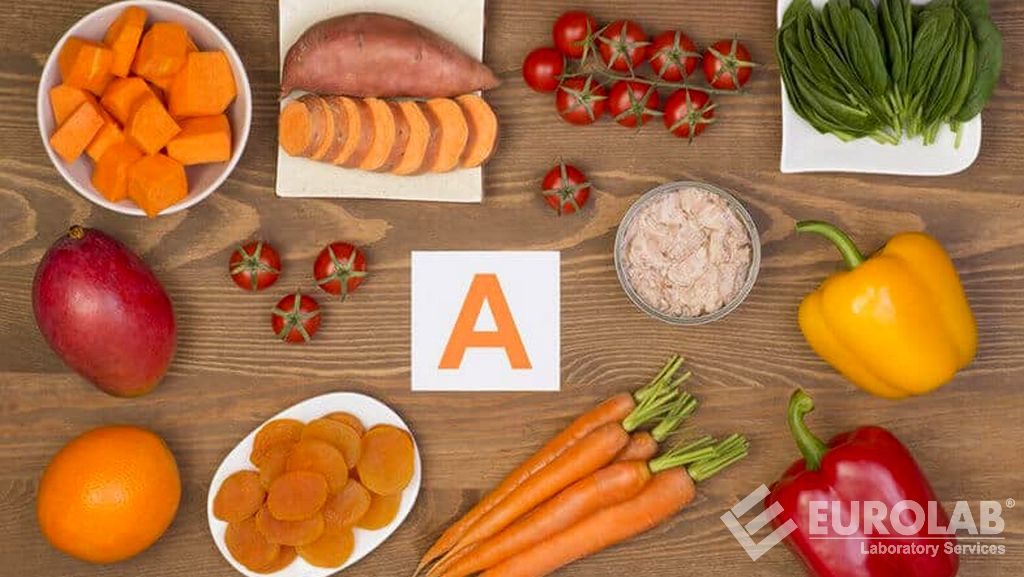
Vitamin A is among the fat-soluble vitamins. The body stores fat-soluble vitamins in the adipose tissue and liver, and reserves of these vitamins can remain in the body for days and sometimes months. Dietary fats help the body absorb fat-soluble vitamins through the intestinal tract.
The main function of vitamin A is that it is necessary for eye health. Vitamin A deficiency is a cause of night blindness and a condition that causes dryness and clouding of the clear front layer of the eye. The best sources of vitamin A are liver, cod liver oil, carrots, broccoli, sweet potatoes, butter, kale, spinach, pumpkin, collard greens, some cheeses, eggs, apricots, cantaloupe, and milk.
Vitamin A is an essential vitamin that the body needs for growth and development. It is also vital for cell recognition, vision, immune function and reproduction. It also helps the heart, lungs, kidneys and other organs work properly.
Vitamin A is formed in different ways. Preformed vitamin A is found in meat, fish, and dairy products. Provitamin A is found in fruits, vegetables, and other plant-based products. Retinol is the main active form of vitamin A in the blood. Beta-carotene is a provitamin or precursor of vitamin A that occurs in plants, particularly dark fruits and vegetables, and oily fruits. Beta-carotene is an antioxidant in itself, but the body can convert it to vitamin A when needed.
Our organization also provides vitamin A determination services with its trained and expert staff and advanced technological equipment, among the numerous test, measurement, analysis and evaluation studies it provides for businesses in various sectors.
To get an appointment, to get more detailed information or to request an evaluation, you can ask us to fill in our form and reach you.

