

Milk and dairy products are very important for human health and especially for children. Dairy products such as yoghurt, ayran and kefir are both consumed and beneficial in our country. For this reason, there are many analysis methods for milk and dairy products in the food sector. Lactic acid bacteria are found in large amounts in milk and dairy products.
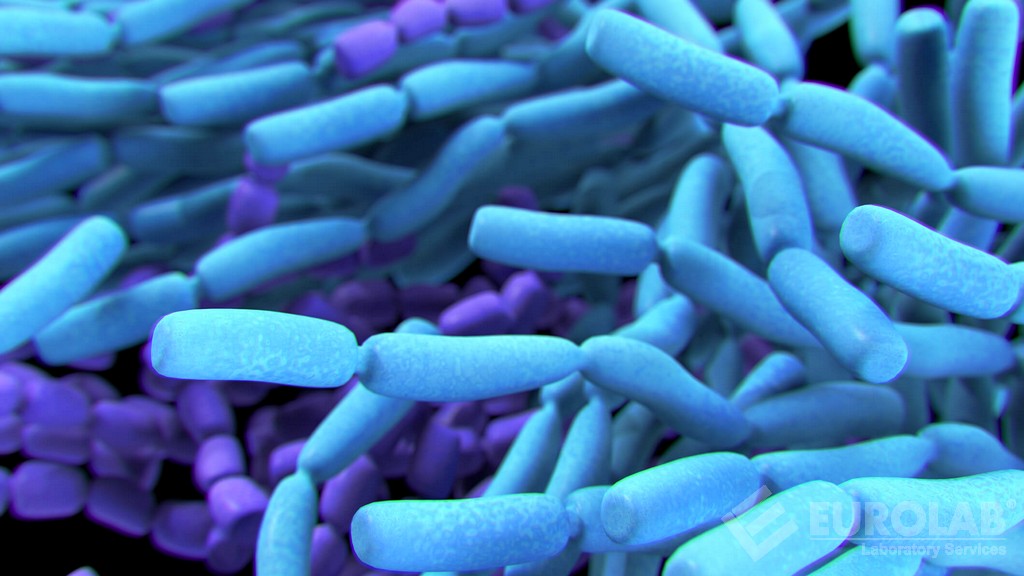
Lactic acid bacteria is the name of the group consisting of cocci and bacilli that have the ability to produce lactic acid as a result of their activities in foods. Lactic acid bacteria can produce acetic acid, carbon dioxide, alcohol and some flavor and aroma substances besides lactic acid, depending on their genus and species characteristics.
Lactic acid bacteria are found in environments rich in nutrient content, especially milk, meat and vegetables. Bacteria such as Lactobacillus, Streptococcus and Lactococcus are examples of lactic acid bacteria. The common feature of these bacteria is that they form lactic acid from lactose by fermentation of lactic acid.
It adds a unique odor and aroma to dairy products such as yoghurt, cheese, kefir, kısh and butter, with lactic acid bacteria. Lactic acid bacteria are beneficial for human health as well as helping to protect food products with the lactic acid they produce. The lactic acid produced has effects such as strengthening the immune system, protecting the body, preventing infections and regulating blood pressure in humans.
They also have an antagonistic effect on pathogenic microorganisms that cause disease in humans. For this reason, fermented foods are considered safe foods in terms of food poisoning and infections.
Relevant standards;
"Lactic Acid Bacteria Count" analysis in our internationally accredited laboratories; We do it in food and feed.
To get an appointment, to get more detailed information or to request an evaluation, you can ask us to fill in our form and reach you.

