

The Enterobacteriaceae family of bacteria is a large family of gram-negative bacteria that includes a number of pathogens such as enterobacter, salmonella, escherichia coli, and other species. These pathogens are found in the human intestinal tract and are a normal part of the intestinal flora.
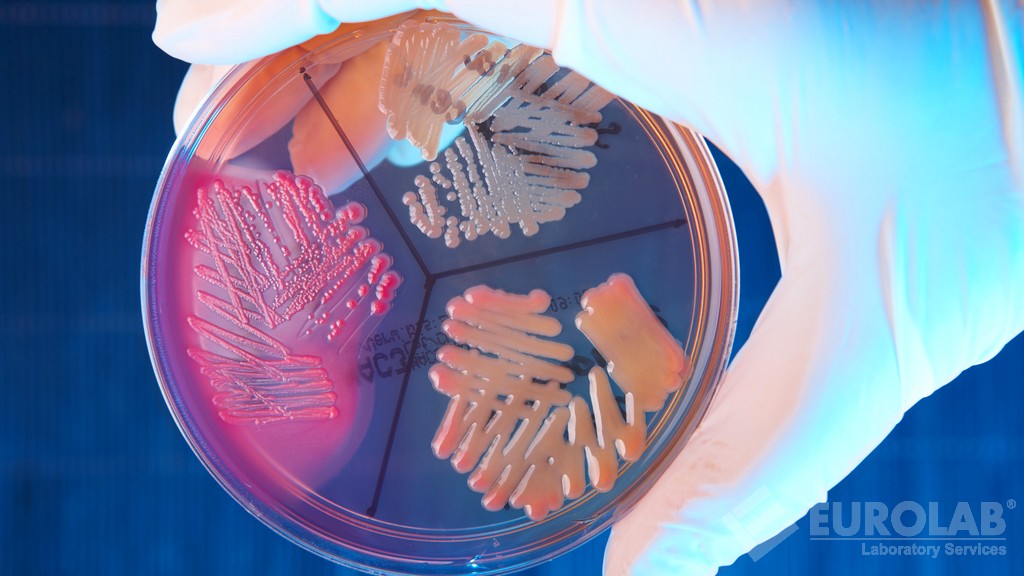
A common cause of urinary tract infections is enterobacteriaceae bacteria. These pathogens can spread to the bloodstream and cause life-threatening complications.
Enterobacteriaceae, like all bacteria, can develop resistance to antibiotics, sometimes including the strongest antibiotics against resistant organisms.
Enterobacteriaceae is a family of gram-negative, facultative anaerobic, non-spore-forming rods. This bacterial family includes more than 50 genera and around 240 species. Enterobacteriaceae are ubiquitous in nature. Many species are free-living in various ecological niches in both terrestrial and aquatic environments, while some are only associated with animals, plants or insects.
Many of these are important human, animal or plant pathogens that cause a range of infections. There are numerous applications in agriculture using members of the enterobacteriaceae, including biocontrol, the control of infectious diseases, anticancer agents, biowaste recycling, and bioremediation, an environmentally friendly method of natural removal of pollutants.
In the test, analysis, measurement and evaluation studies carried out in our organization, national and international standards and applicable legal regulations are complied with and reliable and impartial results are obtained. Among the numerous tests carried out in this context, there are also enterobacteriaceae enumeration services.
To get an appointment, to get more detailed information or to request an evaluation, you can ask us to fill in our form and reach you.

