

Listeria disease is a disease caused by all food products produced under unsanitary and unsuitable conditions. The genus Listeria includes 6 species: L. monocytogenes, L. innocua, L. seeligeri, L. ivanovii, L. welshimeri , and L. grayi . Of these, only Listeria monocytogenes is pathogenic to humans.
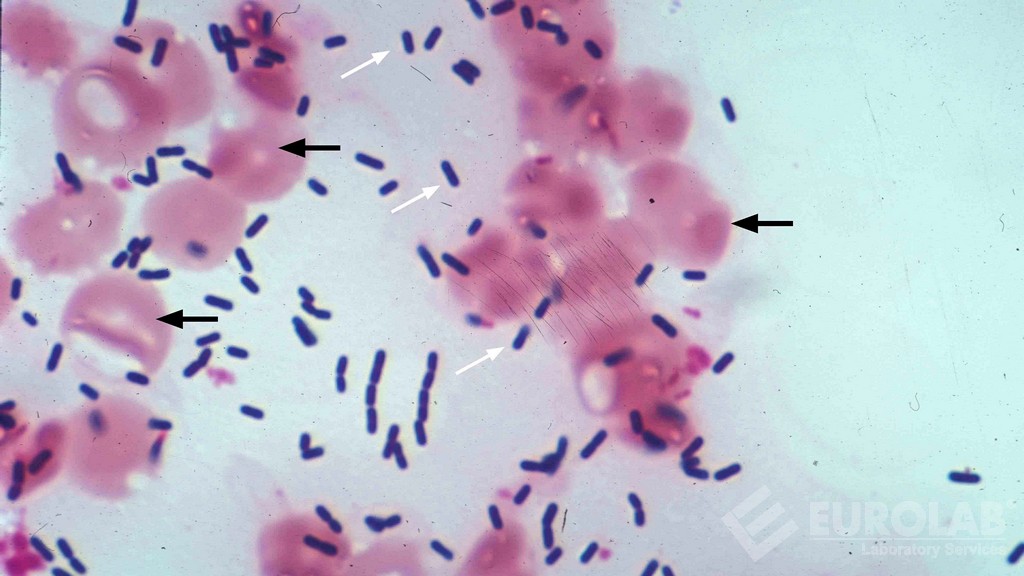
Species of the Listeria genus are very common in nature. They can be found and grow in soil, water, milk, red and white meat, and in the leaf tissues of some green leafy vegetables.
Listeria monocytogenes, in particular , is one of the most important foodborne pathogens causing disease in humans and animals. Listeria monocytogenes has the ability to grow and multiply at refrigerator temperatures, posing a significant problem, especially in ready-to-eat foods. While it can multiply at refrigerator temperatures, it is known to survive for several months in humid environments and for up to two years in salty and dry environments.
A zero-tolerance policy applies to the detection of L. monocytogenes in food . A presence/absence test is performed on a 25 g sample. Accordingly, the L. monocytogenes criteria addressed by the European Food Safety Authority primarily cover ready-to-eat foods, and the relevant conditions are as follows:
1. Infant and ready-to-eat foods intended for special medical purposes should not contain L. monocytogenes in 25g of food.
2. Other ready-to-eat foods on the market should not contain more than 100 cfu/g of L. monocytogenes throughout their shelf life.
3. Products that are susceptible to bacterial growth when left in the production area should not contain L. monocytogenes per 25 g.
Relevant standards;
EUROLABListeria spp. in its internationally accredited laboratories. Search analysis; It is carried out on food, feed and environmental samples.
To get an appointment, to get more detailed information or to request an evaluation, you can ask us to fill in our form and reach you.

