
Staphylococcal enterotoxins are a heterogeneous group of simple, water-soluble proteins. Enterotoxigenic staphylococci grow in food, producing enterotoxins that affect the digestive system and cause "Staphylococcal Food Poisoning". Staphylococci play a significant role in food poisoning, and the most important enterotoxin-producing staphylococcal species is S. aureus.
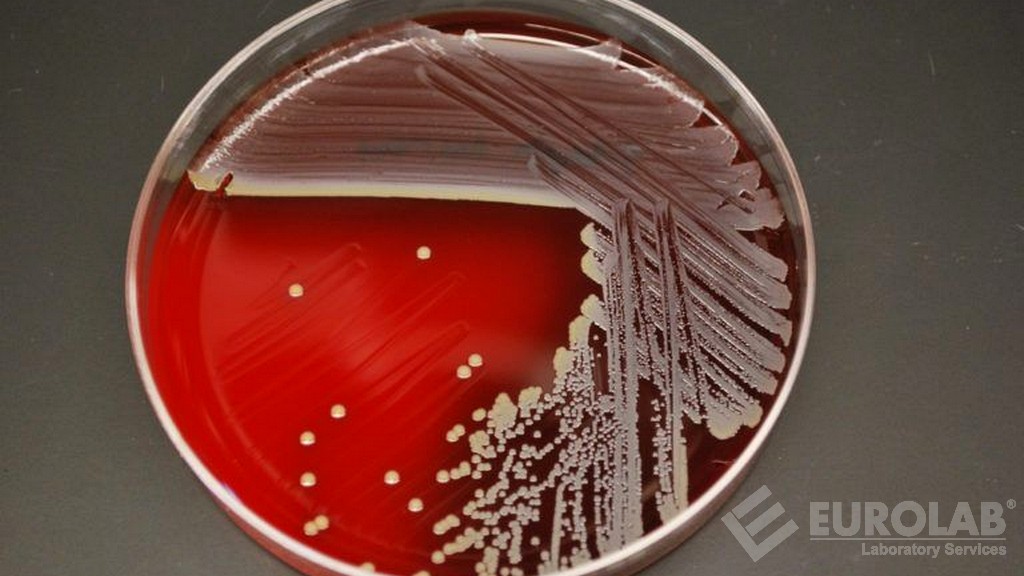
Staphylococci are pathogens that threaten human health. They generally settle on the skin and mucous membranes of the mouth and nose, skin of the hands and feet, hair and ear canal such as hair and mustache. They cause serious problems when the body resistance decreases, when there is an increase in the number of bacteria in the body or when enterotoxins are formed.
Staphylococcal enterotoxins, being thermostable, are not destroyed at pasteurization temperatures. S. aureus is a significant cause of mastitis, particularly in dairy cows. Milk from mastitic cows, or contamination of milk from healthy cows with such milk, poses a risk to human health. Consumption of food containing at least 100 ng of enterotoxin per 100 grams can lead to "Staphylococcal Food Poisoning".
Individuals working in the food industry, in particular, may find S. aureus bacteria in their noses or on their hands. This can lead to potential food poisoning incidents due to a lack of attention to hygiene and health among those working in the food production process.
Stefilococci are sought in food products and we can have an idea about production, business hygiene, personnel hygiene and working environment according to the result.
Relevant standards;
"Staphylococcal Enterotoxin Search" analysis in our internationally accredited laboratories; We do it in food.
To get an appointment, to get more detailed information or to request an evaluation, you can ask us to fill in our form and reach you.

