
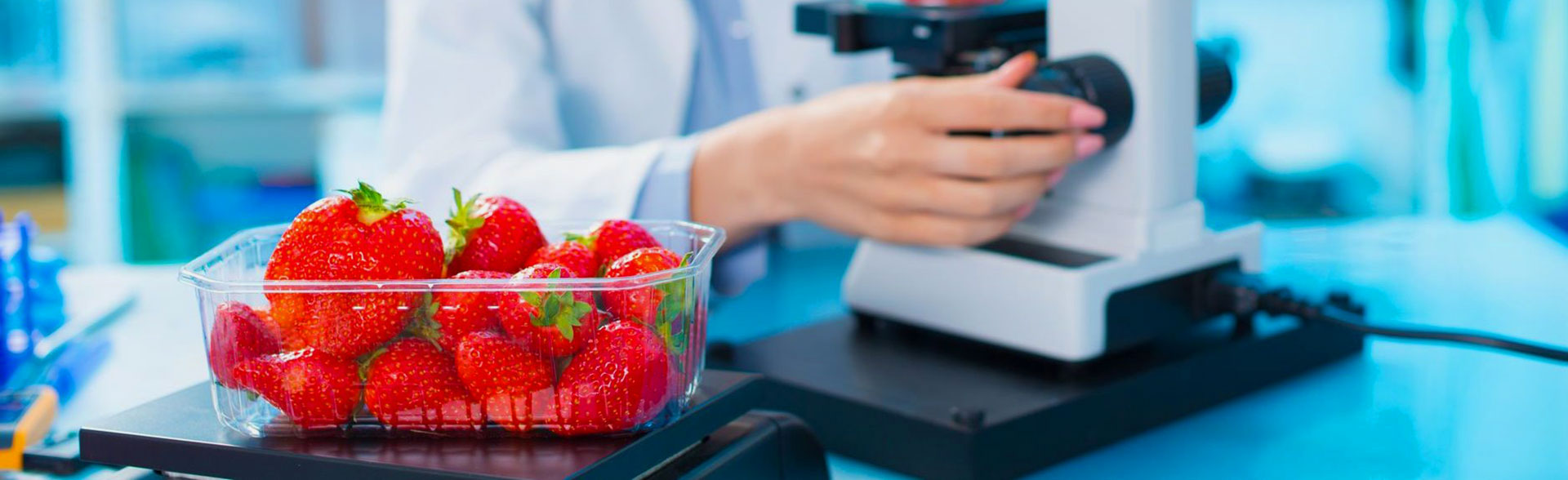
Mycotoxins; They are toxins formed by fungi (mold) genera such as Aspergillus, Penicillium, Fusarium, Alternaria and Claviceps. These toxins adversely affect human and animal health. The fungi that form mycotoxins can be carried anywhere by wind. It is known that a quarter of the crops on earth have a risk of contamination with mycotoxins.
More than 400 types of mycotoxins are known to exist today. After mycotoxins are produced by fungi, they have the resistance to survive even if the fungi are damaged due to external factors.
Deoxynivalenol also; It is a mycotoxin synthesized by fungi of the fusarium genus, which can be found widely in cereals such as corn, barley and wheat. While deoxynivalenol can cause vomiting and skin ailments in humans, they cause weight loss in animals.
Since deoxynivalenol is resistant to very high temperatures, it is not possible to destroy them by heat. Since it can be harmful to treat deoxynivalenol mycotoxin with a chemical product, the most effective method is to intervene with the ozone system.
Different analysis methods are used for deoxynivalenol mycotoxin detection. These methods; It can be operated with HPLC or LC-MS / ms device. At the same time, ELISA method e is used for a fast result.
In our internationally accredited laboratories, "Determination of Deoxynivalenol" is analyzed in infant and child supplementary foods.
To get an appointment, to get more detailed information or to request an evaluation, you can ask us to fill in our form and reach you.

