

Coliform bacteria are defined as gram-negative, facultative anaerobic, non-spore-forming, rod-shaped bacteria. Coliform bacteria are bacteria that indicate the hygiene status of food and water. Belonging to the Enterobacteriaceae family, coliform bacteria in food microbiology refer to Escherchia coli , Enterobacter aerogenes , Enterobacter cloacae , Citrobacter freundii , and Klebsiella pneumoniae .
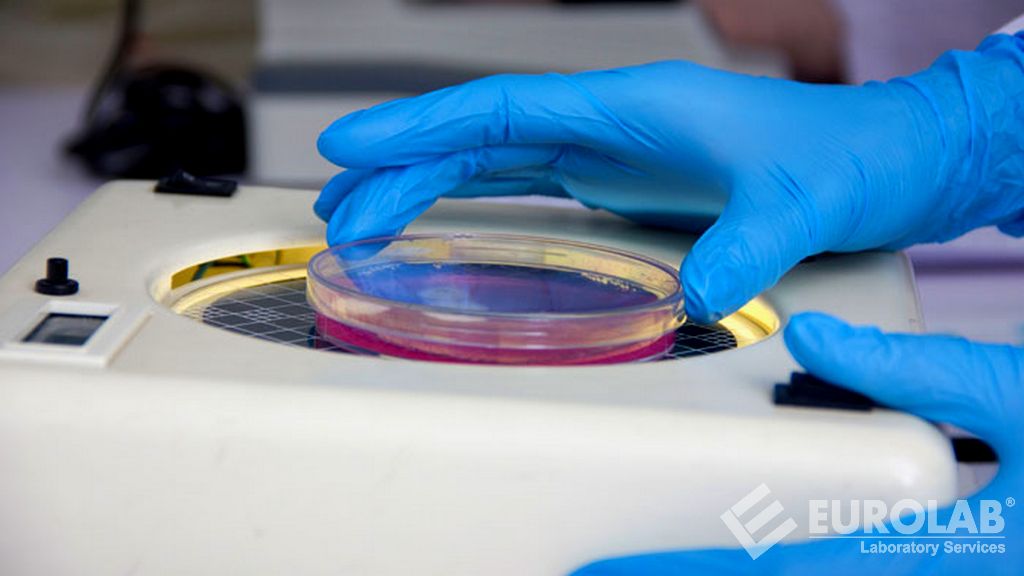
Coliform bacteria should not be present in food and water. The presence of E. coli , in particular , indicates contamination of water with sewage. These bacteria, which pose a threat to human health, are also monitored in cosmetics, detergents, and similar cleaning materials, in addition to food and water products.
Coliform bacteria count is done by the Most Probable Number (EMS) method, as the number of bacteria is too low to be counted by colony formation. In line with the result obtained, we can learn about the production of food or water, business hygiene, personnel hygiene and working environment.
Relevant standards;
Our laboratories with international accreditation perform Coliform Bacteria Count analysis; in food, feed, water, pool water and environmental samples.
To get an appointment, to get more detailed information or to request an evaluation, you can ask us to fill in our form and reach you.

