

The presence of 3- and 2-monochloropropanediol (MCPD) and their fatty acid esters and glycidyl fatty acid esters in foods poses a risk to human health.
Glycidyl esters are compounds typically formed by refining vegetable oils at high temperatures, around 200 degrees Celsius. They can be found in margarines and vegetable oils, but can also be found at lower levels in bread, biscuits, and malt-based food ingredients.
2- and 3-monochloropropane-1,2-diol (2- and 3-MCPD) are food processing contaminants. 2-MCPD, 3-MCPD, and glycidyl esters are contaminants formed from natural food ingredients when heat is applied during the manufacturing process.
Manufacturers obtain edible oils, including vegetable oils and fish oils, from a variety of commodities, including fruits, seeds, nuts, and fish. Refining edible oils at temperatures of approximately 200°C or higher can produce 3-MCPD esters and glycidyl esters. The highest levels of 3- and 2-MCPD and glycidyl esters were detected in palm oil. However, most vegetable oils contain significant amounts of these compounds.
Exposure to 3-MCPDEs and glycidyl esters can occur through the consumption of refined oils and various food products containing refined oils, such as infant formula, dietary supplements, french fries, and baked goods. Some recent studies suggest they may also be found in food supplements containing fish, algae, or krill oils.
These contaminants occur in conjunction with flavoring agents, which are crucial for food quality and taste, or are formed during the refining process of food raw materials. In practice, avoiding these compounds while meeting consumer expectations and ensuring product quality and safety is difficult.
The European Food Safety Authority (EFSA) has assessed the potential risks of 3-MCPD and glycidyl esters and concluded that glycidyl esters are of public health concern because they are genotoxic and carcinogenic, meaning they can damage DNA and cause cancer.
Regulation (EU) 2023/915 specifies the maximum levels of 3-MCPD, 3-MCPD esters and glycidyl esters in food products, including :
This legislation includes regulations (EU) 2018/290 and (EU) 2020/1322, which address maximum levels of 3-MCPD, 3-MCPD fatty acid esters and glycidyl fatty acid esters in certain foods.
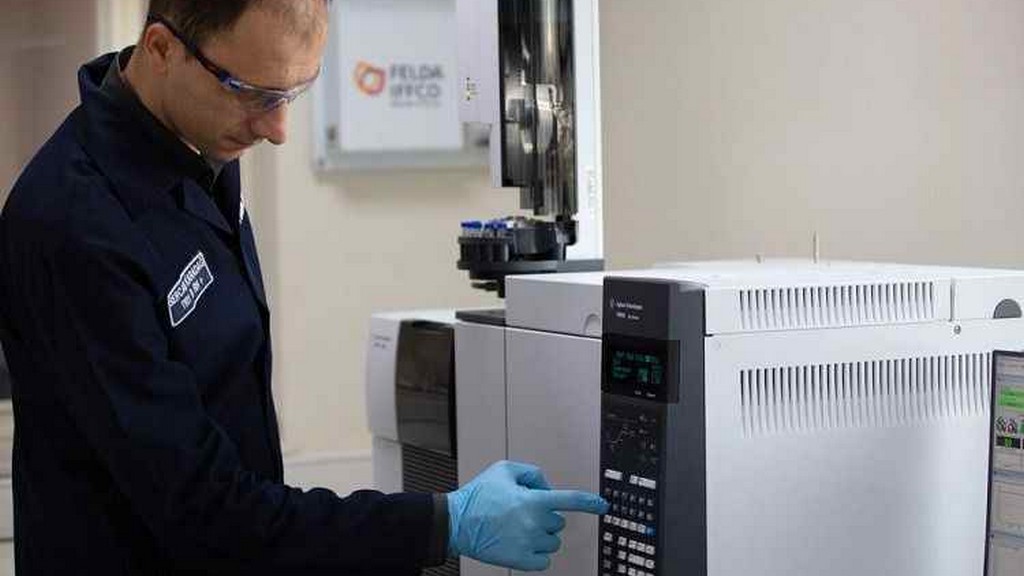
In our advanced laboratories, comprehensive analytical services are provided to monitor the presence of free, esterified and glycidyl ester MCPD in foods via GC-MS/MS. These services generally include:
Additionally, tests are performed for the determination of 2- and 3-MCPD esters and glycidyl esters in infant formula and infant formula matrices, according to specific requirements and limits.
MCPD (3-monochloropropane-1,2-diol) is a chemical compound that occurs in refined vegetable oils, particularly those containing high levels of chlorinated compounds. It exists in two basic forms:
This compound is classified as possibly carcinogenic to humans by the International Agency for Research on Cancer. It is commonly found in: refined palm oil, processed foods containing refined oils, and some baby foods.
Glycidyl esters are a group of fatty acid esters of glycidol formed during the high-temperature processing of oils. Glycidol, the primary compound in glycidyl esters, is considered a probable human carcinogen. When ingested, glycidyl esters can release glycidol into the body. They are commonly found in refined vegetable oils, particularly palm oil.
These compounds are attracting the attention of food safety agencies such as the European Food Safety Authority (EFSA) and the US Food and Drug Administration (FDA) due to their potential to harm the kidneys, impair male fertility, and increase the risk of cancer. Consequently, some countries, particularly in Europe, have imposed limits on acceptable levels of MCPD and glycidyl esters in foods and oils.
MCPD is primarily classified as toxic and carcinogenic, posing a risk of kidney damage, infertility, and cancer, while glycidyl esters are classified as genotoxic carcinogens, posing a risk of DNA damage and cancer. While actual levels in foods are generally low, long-term and cumulative exposure is a concern, especially for vulnerable groups such as infants and young children.
Our organization, which has been supporting businesses across all sectors for years through a wide range of testing, measurement, analysis, and evaluation activities, has a strong team of employees who closely follow global developments in science and technology and are constantly improving themselves. In this context, we also provide MCPD and glycidyl ester analysis services to businesses.
To get an appointment, to get more detailed information or to request an evaluation, you can ask us to fill in our form and reach you.

