

Bacillus cereus is, by definition, a gram-positive, facultative aerobic, spore-forming, motile type of bacteria. Bacillus cereus produces two types of spores in the form of heat sensitive enterotoxin and heat resistant emetic toxin. This causes two different types of poisoning caused by toxins.
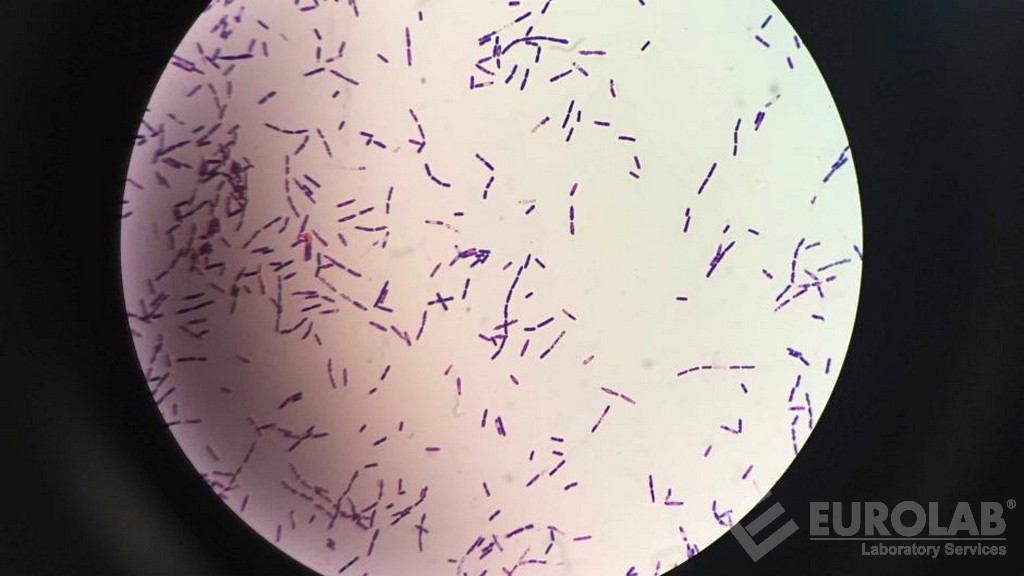
Bacillus cereus is a bacterium belonging to the Bacillaceceae family and is widely found on soil and vegetation. It is of soil origin. It is spread by dust, soil and water. Since it is of soil origin, it can easily contaminate field and garden products and can be found in meat and dairy products due to its spores.
Bacillus cereus grows easily at room temperature, average 30 C and pH 7 conditions, and its spores can easily multiply.
Food poisoning is seen with the intake of large amounts of Bacillus cereus (> 106 / g). These poisonings usually occur in foods that are not cooled enough.
In order to prevent the contamination of Bacillus cereus through food and water, measures such as not using fertilizers, ensuring that the environment and air in food establishments are clean and dry, and disinfecting the water used should be taken. If the necessary environment occurs, Bacillus cereus can easily multiply and cause food poisoning.
Although it is very common in milk, B. Cereus poisoning in dairy products is not seen much, especially because of its taste and smell. However, if it goes unnoticed in products such as rice, other grains, spices, meat and chicken, it can easily lead to poisoning.
"Bacillus cereus Census" analysis in our internationally accredited laboratories; food, feed.
To get an appointment, to get more detailed information or to request an evaluation, you can ask us to fill in our form and reach you.

