

The “NSF/ANSI 51 Food Equipment Materials” standard, jointly developed by the National Sanitation Foundation (NSF) and the American National Standards Institute (ANSI), specifies minimum public health and sanitation requirements for materials used in the construction of commercial food equipment.
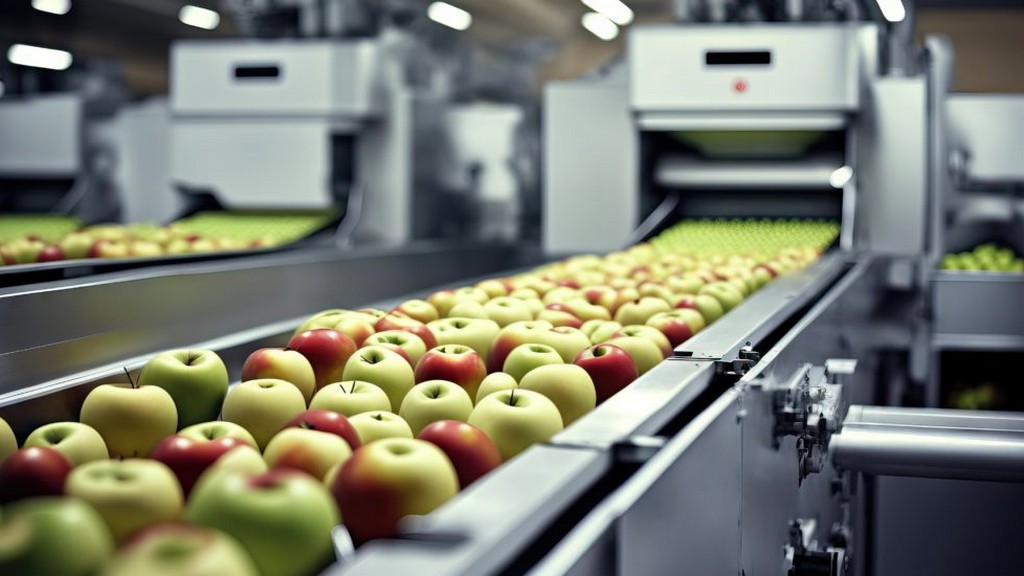
The requirements of this standard are intended to ensure that the composition and surface finish of food equipment materials are such that a material will not contaminate food or make food equipment difficult to clean and disinfect.
This standard covers the requirements for materials and coatings used in the manufacture of food equipment, e.g. grills, beverage dispensers, cutting boards, gravy boats. This standard also applies to components such as pipes, sealants, gaskets, valves and other items designed for various food equipment applications.
These components shall meet the relevant design and construction requirements of this standard applicable to the type of food equipment on which the component is used.
The requirements of Clause 4 of this standard may also be applied individually to determine whether a material is suitable for use in a food area based solely on its formulation. Other relevant requirements of this standard, including cleanability and corrosion resistance, apply to the finished product in which the material is used. Materials other than those specifically mentioned in this standard may be used provided that such materials meet the minimum requirements specified herein.
The test methods defined in the NSF/ANSI 51 standard include:
o Method I (For organic coatings used on direct food contact surfaces in food areas)
o Method II (For organic coatings used in splash zones and on non-direct food contact surfaces in the food zone)
o Method III (For organic coatings used in service and display vehicles)
o Method I (For organic coatings used on direct food contact and non-direct food contact surfaces in food areas)
o Method II (For organic coatings used in splash zones, service and display vehicles, and certain interior machine surfaces)
o Method III (For certain glass and glass-like coatings used on splash zone surfaces)
o Method IV (Direct food contact in the food area and food area-serving and display utensils)
o Method I (For organic coatings used in the food area - Direct food contact surfaces)
o Method II (For organic coatings used on serving and display ware)
Steel grades 316 and 304 are two common and reliable types of steel used in food processing equipment, which is why they are often referred to as food grade stainless steels. The main difference between these two types of steel is that 316 stainless steel contains two to three percent molybdenum. The presence of molybdenum makes grade 316 stainless steel slightly more resistant to chlorides, meaning it is perfect for processing salty foods. Both 304 and 316 stainless steels are extremely strong and easy to fabricate.
In short, the NSF/ANSI 51 standard specifies minimum public health and sanitation requirements for materials used in the construction of commercial food equipment. This standard applies to materials and coatings used for grills, beverage dispensers, cutting boards, gravy boats, and similar equipment. This standard specifies restrictions on certain types of materials, including stainless steel, aluminum alloys, wrought alloys, cast alloys, copper and copper alloys, glass and glass-like materials, and wood. It also specifies cleanability, corrosion resistance, impact resistance, abrasion resistance, heat resistance, and coating adhesion properties and test methods for food equipment manufacturing materials.
Among the numerous testing, measurement, analysis and evaluation studies that our organization has carried out for businesses in various sectors, it also provides testing services defined in the "NSF/ANSI 51 Food Equipment Materials" standard with its trained and expert staff and advanced technological equipment.
To get an appointment, to get more detailed information or to request an evaluation, you can ask us to fill in our form and reach you.

