
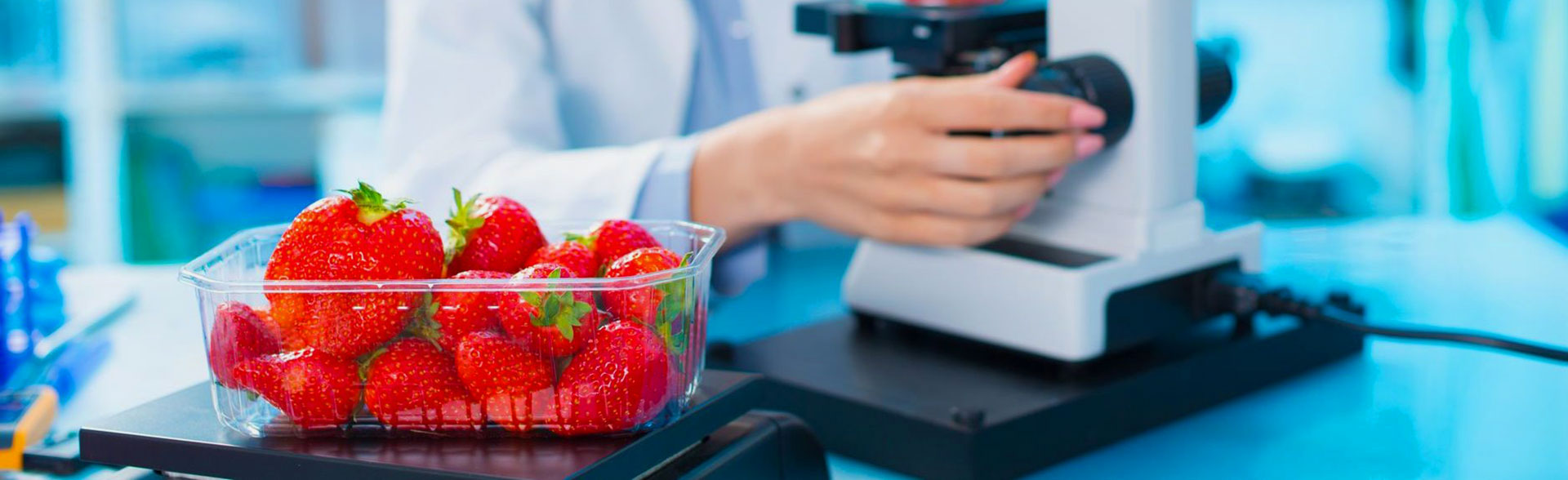
A specific migration limit (SML) is a regulatory threshold that defines the maximum allowable amount of a substance allowed to migrate from food contact materials (such as plastics, coatings, or packaging) into food or food simulants. This value is usually expressed as mg/kg (milligrams of substance per kilogram of food).
The purpose of this limit is to protect consumer health by limiting exposure to potentially harmful substances. Specific migration limits are set by organizations such as the European Food Safety Authority (EFSA) under Regulation (EU) No. 10/2011.
Specific migration limits apply to additives, monomers, or other substances intentionally used in the production of food contact materials. Migration testing is performed under specified conditions to simulate real-life food contact scenarios (temperature, time, food type). For example, if a plastic food container has a specific migration limit of 2 mg/kg, only 2 mg of that substance is allowed to migrate into 1 kg of food.
Commission regulation (EU) No 10/2011 on plastic materials and articles intended to come into contact with food lays down specific requirements for the manufacture and marketing of the following plastic materials and articles:
This regulation applies to materials and substances placed on the EU market that fall into the following categories:
According to this regulation, plastic materials and articles cannot transfer their components to food in quantities exceeding the specific migration limits (SML) specified in the annex to the regulation. These specific migration limits (SML) are expressed as mg of substance per kg of food (mg/kg). For substances for which no specific migration limit or other restrictions are specified in the annex, a general specific migration limit of 60 mg/kg applies.
For the purposes of the overall migration limit, plastic materials and articles cannot transfer their components to food simulants in amounts exceeding 10 milligrams of total components released per dm² of food contact surface (mg/dm²). Plastic materials and articles intended to come into contact with foods intended for infants and young children cannot transfer their components to food simulants in amounts exceeding 60 milligrams of total components released per kg of food simulants.
Specific migration limit (SML) analysis refers to testing procedures used to determine whether a food contact material, such as plastic packaging, containers, or coatings, releases any regulated substance into food or food simulants beyond the allowable limit. These procedures are intended to ensure compliance with safety regulations and protect consumers from harmful chemical exposure.
The first step in specific migration limit analysis is the selection of food simulants. Simulants are standardized substances that mimic food types:
In the second step, food contact material samples are prepared in a contact-ready form. The material is then conditioned according to the specified pretreatment requirements.
In the third step, migration test conditions are established. At this point, the worst-case usage is simulated (e.g., temperature, time). The samples are then immersed or exposed to the simulant.
The fourth step is extraction and analysis. After exposure, the simulant is analyzed for migrating material. The main techniques employed include:
The fifth step is quantification and comparison. The concentration of the substance in the simulant is measured (mg/kg). It is then compared with the specific migration limit (SML) values defined in legal regulations or standards.
The final step is the conformity assessment. If the migration value is below the SML limit value, it is considered compliant. If the migration value is above the SML limit value, it is considered non-compliant. This requires reformulation or usage restrictions.
Another specific migration limit analysis method is the analysis of bisphenol A (BPA) in polycarbonate baby bottles, for example. The purpose of this method is to determine whether the migration of bisphenol A (BPA) from a polycarbonate baby bottle remains within the permitted limit of 0,05 mg/kg.
A polycarbonate baby bottle suspected of containing residual BPA is selected for analysis. Simulant B (3% acetic acid) is used to simulate acidic liquids such as fruit juice. During the test, the sample is exposed to 40°C for 10 days, simulating long-term storage or repeated use. The bottle is filled with simulant, capped, and stored under the specified conditions. At the end of the test period, the simulant is removed and analyzed by high-performance liquid chromatography (HPLC) with UV detection. The SML limit for BPA is 0,05 mg/kg. If the determined value is below this value, it is considered compliant.
In short, specific migration limit analyses are required to ensure the safety of food contact materials and to protect public health by preventing harmful substances from contaminating food.
Our organization, which has been supporting businesses across all sectors for years through a wide range of testing, measurement, analysis, and evaluation activities, has a strong team of employees who closely follow global developments in science and technology and are constantly improving themselves. In this context, we also provide businesses with specific migration limit (SML) analysis services.
To get an appointment, to get more detailed information or to request an evaluation, you can ask us to fill in our form and reach you.

