
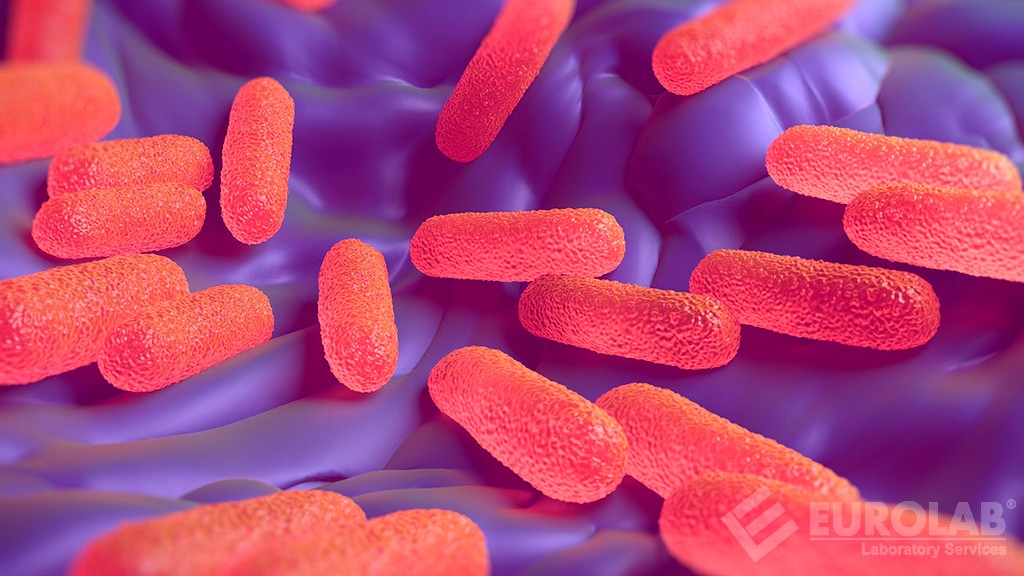
Salmonella, by definition, is a facultative anaerobic, gram-negative, rod-shaped bacterium belonging to the Enterobacteriaceae family, and is motile except for S. Gallinarium and S. Pullorum . Within the Salmonella species, there are many different types, some causing illness only in humans or animals, and others causing illness in both humans and animals.
Salmonella is mostly found in foods heavily contaminated by coliform bacteria. Salmonella type bacteria cause the most common "Salmonellosis Microbial Food Poisoning". Therefore, detection of Salmonella in food or water is a situation that threatens human health. Even if there is very little Salmonella in the food, it is considered risky.
Animal products are the leading foodstuffs where Salmonella-type bacteria are the most common. These include poultry meat, ground beef, sausage, egg products, seafood, ice cream, powdered milk and cream.
Salmonella type bacteria may be encountered, especially if people working in the food industry do not pay attention to hygiene rules. This situation may cause possible poisoning incidents with the employees not paying attention to the hygiene and health of the employees in the food production process.
Salmonella bacteria are sought in food products and we can have an idea about production, business hygiene, personnel hygiene and working environment according to the result.
Related Standards;
In our internationally accredited laboratories, we perform " Salmonella spp . Detection" analysis on food, feed, water, and environmental samples.
To get an appointment, to get more detailed information or to request an evaluation, you can ask us to fill in our form and reach you.

