

Rope is a defect seen in bread caused by the growth of Bacillus subtilis bacteria , which are soil-borne and usually found on the outer surface of wheat grains . Because Bacillus subtilis spores can withstand baking temperatures, they germinate easily in bread after cooling, reaching a water activity level of 0,95. This phenomenon is called stringiness in bread and results in a sticky texture.
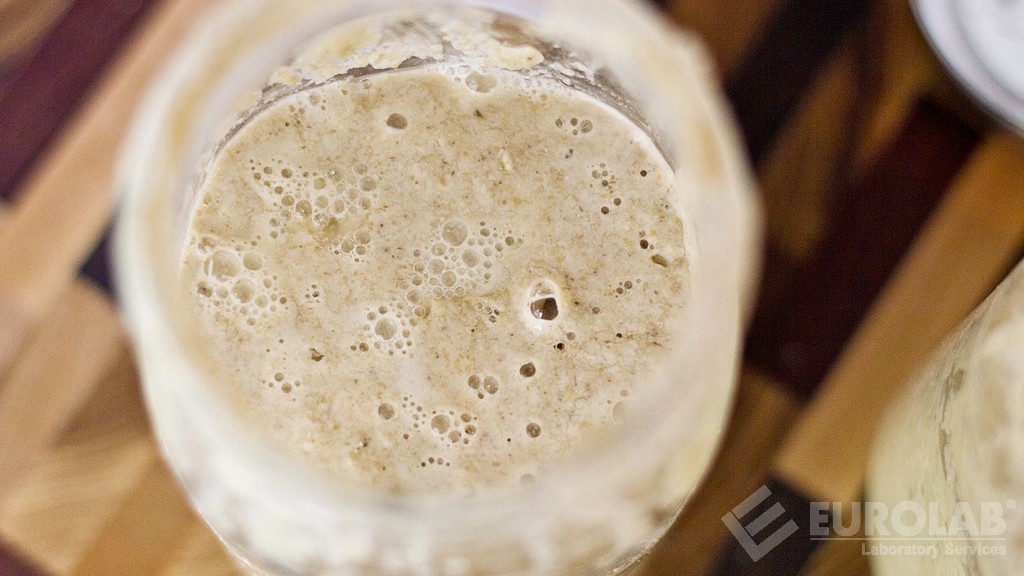
The source of contamination by Bacillus subtilis bacteria, which causes ROP formation , is usually flour, yeast and other additives used in bread making, and inadequate hygiene conditions. When ROP contamination occurs in a food establishment, the production area must be cleaned with special chemicals or steam treatment.
Among bakery products, not only bread but also bakery products such as flatbread, simit, pita should be subjected to rope count analysis. In the formation of the rop spore; The prolongation of the cooling time of the bread, its preservation above 25 degrees, the moisture content, the pH rate and the starting number of spores play a role.
To prevent rope formation; Processes such as adding vinegar to the dough water, kneading the dough as cold as possible, keeping all tools and equipment used in production or transportation clean and hygienic, paying attention to personnel hygiene, ensuring that the dough is fermented sufficiently can be performed.
Bacillus subtilis bacteria, in addition to causing rope formation in the product, can cause food poisoning manifesting as nausea, vomiting, diarrhea, and headache if consumed in high quantities.
Relevant standards;
In our internationally accredited laboratories , we perform "Rope Spore Count" analysis on bread yeast, grains, and grain products.
To get an appointment, to get more detailed information or to request an evaluation, you can ask us to fill in our form and reach you.

